
UN Fertiliser Plan Could Protect Asia and Africa From Hunger
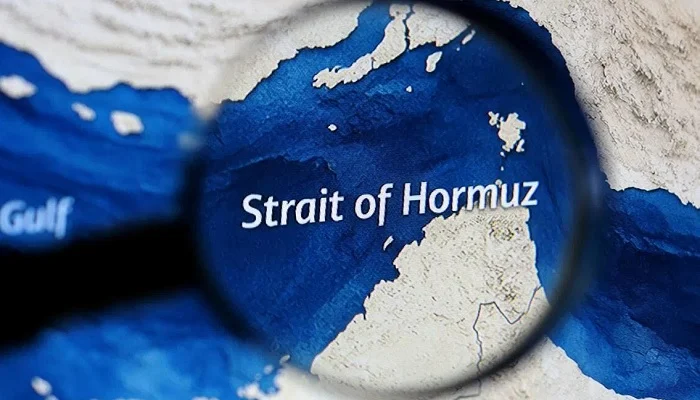
A UN official says the Strait of Hormuz deal must come within weeks, or farmers may miss the planting season.

UN Fertiliser Plan – (Specail Correspondent/Web Desk) – A new UN fertiliser plan could keep farm supplies moving through the Strait of Hormuz, but time is running out. A senior UN official says the United States and Iran must agree on it within a few weeks. If they do not, parts of Asia and Africa could face a serious food crisis.
Jorge Moreira da Silva spoke to Reuters in Bangkok on Wednesday. He is a UN Under-Secretary-General and also leads the UN Office for Project Services.
He said a deal is needed soon because the planting season is close. If farmers miss it, crop yields will fall and food prices will climb.
How the UN Fertiliser Plan Would Work
The UN set up a task force in March to help fertiliser ships pass through the strait. It has already designed a system, but it has not started using it.
According to Moreira da Silva, the system could begin within seven to ten days of an agreement between Washington and Tehran.
A coordination centre in Oman would register ships and plan safe passage. UN monitors would work with local officials at Gulf ports to check what is loaded on each vessel.
Ships would be tracked while they cross the strait. Extra checks could be done if any country raised concerns about a ship or its cargo.
Only Five Ships a Day
The plan does not need heavy traffic. Moreira da Silva said just five vessels a day could keep fertiliser flowing to countries that need it most.
He also said the plan could run while the two sides keep talking about a larger peace deal. In his words, the UN wants to do its job while the talks continue.
Before the war began, the strait carried about one third of the world’s traded urea. Urea is the most widely used fertiliser. The waterway also handled nearly half of the sulphur moved by sea, which is a key farming input.
The International Food Policy Research Institute says fertiliser shipments from the Gulf are still mostly stopped, more than six months after the conflict began. Even when some ships moved during the ceasefire from mid-June to mid-July, very little of that traffic was fertiliser.
Food Prices Could Jump
The International Chamber of Commerce warned in August that the damage could be large if the disruption continues. It said cereal prices could rise by up to 81 percent. Oil crop prices could go up by 66 percent, and animal products by 30 percent.
Iran has tightened its hold on the strait since the US and Israeli strikes on February 28. The United States has answered with a naval blockade of Iranian ports.
The two sides have swapped proposals through go-betweens since a June ceasefire fell apart. Talks have stalled because of Iran’s conditions and the US demand to deal with Iran’s nuclear programme first.
A US State Department spokesman told Reuters that the American military has helped thousands of commercial ships cross the strait. He added that Washington will act against Iran’s attempts to disrupt free navigation.
The White House and Iran’s embassy in Bangkok did not reply to requests for comment.
More Threats to Food Supply
Hormuz is not the only worry. Cargo ships have been attacked in the Black Sea region. Houthi fighters, who are backed by Iran, are also pushing an offensive along a key Red Sea route.
Moreira da Silva said many problems are hitting at once, including the climate crisis and the closure of several sea routes. For farmers waiting on fertiliser, the UN fertiliser plan may be the fastest way to avoid a bad harvest.
Comments are closed, but trackbacks and pingbacks are open.