

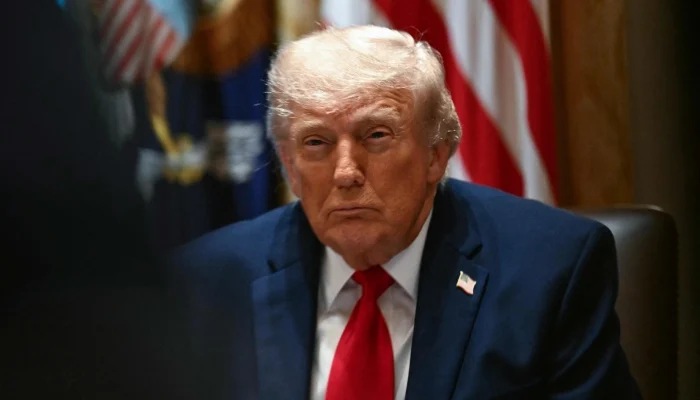
Trump’s Political Setback Opens a New Chapter for Pakistan-US Relations
Democrats Capture Congress in Historic Midterm Upset, Deliver Major Blow to Trump

Trump – (Special Correspondent/News Desk) – The outcome of the US midterm elections has reshaped the political landscape in Washington, with the Democratic Party gaining control of both chambers of Congress, dealing asignificant political setback to President Donald Trump and his Republican Party. The results are expected to create fresh challenges for the Trump administration in pursuing its legislative agenda, while potentially influencing Washington’s approach towards Iran, Israel, China and South Asia.
The Democrats’ control of the Senate and House of Representatives could increase congressional scrutiny of the administration’s policies, particularly federal spending, trade measures, foreign policy decisions and military engagements. Although Trump will remain president, the changing balance of power in Congress could make it considerably more difficult for his administration to secure legislative support during the remaining two years of his term.
The election outcome carries particular significance for Pakistan, as any shift in Washington’s foreign policy priorities could have implications for Islamabad’s diplomatic, economic and regional interests. Pakistan’s relations with the United States, its strategic partnership with China and its geographical proximity to Iran make developments in American politics particularly important for the country.
One of the major areas to watch is Washington’s policy towards Iran. Greater Democratic oversight of military spending and foreign policy could intensify congressional debate over America’s approach to the Iranian conflict. This may increase pressure on the Trump administration to explore diplomatic engagement and de-escalation, although no immediate policy reversal can be assumed.
For Pakistan, reduced tensions between Washington and Tehran would be particularly significant. Any escalation involving Iran could affect regional security, disrupt energy supplies and push international oil prices higher, placing additional pressure on Pakistan’s import bill, inflation and already challenging economic conditions. A diplomatic breakthrough could therefore offer economic and strategic benefits to Islamabad.
The changing political balance in Washington may also influence America’s relationship with Israel. Democratic lawmakers could seek greater scrutiny of military assistance, the situation in Gaza and US involvement in Middle Eastern conflicts. However, the longstanding strategic relationship between Washington and Tel Aviv is unlikely to undergo an immediate fundamental change.
Relations between the United States and China will remain another major area of international interest. Trade tariffs, technology restrictions, strategic competition and security concerns surrounding Taiwan are likely to remain central to Washington’s China policy. Democratic control of Congress could lead to greater debate over Trump’s trade measures, although bipartisan concerns regarding China’s growing influence are likely to persist.
For Pakistan, developments in US-China relations carry considerable importance because of Islamabad’s close strategic and economic partnership with Beijing and its longstanding engagement with Washington. Pakistan will need to maintain a balanced diplomatic approach while protecting its economic and security interests amid intensifying competition between the two global powers.
The political shift could also create opportunities for Pakistan to strengthen engagement with Democratic lawmakers, congressional committees and policymakers in Washington. Islamabad may seek to expand cooperation in trade, investment, energy, counterterrorism, regional stability and educational exchanges, while highlighting Pakistan’s potential role in promoting peace and stability in South Asia.
Afghanistan will also remain an important issue in the broader US-Pakistan relationship. Regional security, counterterrorism cooperation and developments along the Pakistan-Afghanistan border could continue to shape bilateral engagement, regardless of the changing composition of Congress.
Pakistan’s potential diplomatic role in reducing tensions between Iran and the United States could further enhance its regional relevance. However, such a role would require careful diplomacy, sustained engagement with all concerned parties and a balanced approach to competing regional interests.
For Pakistan, the implications of the US midterm elections extend beyond Washington’s domestic political landscape. Developments in American foreign policy could influence regional security, energy markets, international trade and diplomatic alignments. The coming months will therefore be important in determining whether the changing balance of political power in Washington creates new opportunities for Islamabad or introduces additional challenges to its foreign policy and economic interests.
Comments are closed, but trackbacks and pingbacks are open.