

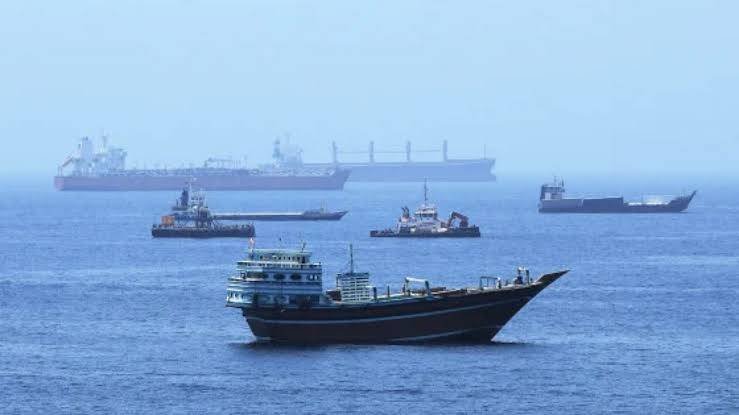
South Korea to Deploy Military Mission to Keep Hormuz Strait Open
Seoul sends patrol aircraft and a bomb disposal team to protect shipping and energy supplies, but says it will not join the US-Iran war.

South Korea – (Special Correspondent/Web Desk) – South Korea to deploy military mission near the Strait of Hormuz, the defence ministry said on Thursday. The goal is to help keep this key waterway open for trade.
The plan includes a maritime patrol aircraft and an explosive ordnance disposal team. Both will work in waters near the strait.
Seoul was clear about one thing. It does not plan to send troops to fight in the Iran war. The mission is only about safety and trade.
The US-Iran war began on February 28. Since then, ship traffic through the strait has been disrupted. About one fifth of the world’s oil normally passes through this narrow route.
That is why many countries are worried. When the strait is not safe, fuel prices and supply chains can suffer around the world.
The ministry said it will expand the work area of its Cheonghae unit. This naval unit now guards commercial ships in the Gulf of Aden, off the coast of Somalia.
Under the new plan, the unit will also cover waters near the Strait of Hormuz. Its mission will grow, but its purpose will stay the same: protecting civilian ships.
Yonhap News Agency reported the full list of assets. It includes a destroyer, a P-8 maritime patrol aircraft and an explosive ordnance disposal team.
The unit will also use unmanned surface vessels and unmanned underwater vehicles. Remotely operated vehicles will help with underwater exploration.
The Cheonghae unit is approved to operate only until the end of this year. To extend its stay, the government needs approval from parliament.
A defence ministry official spoke to reporters without giving his name. He said the move is meant to protect citizens and safeguard the country’s economic interests.
The official stressed that the mission is for non-combat purposes only. He also said the unit will work on its own and not as part of allied forces.
There are strict limits on where the unit can go. Operations will stay in the open waters south of Oman.
The patrol aircraft also has clear rules. It cannot target or monitor Iranian land, Iranian territorial waters or the inside of the Strait of Hormuz.
These limits show that Seoul wants to avoid any step that looks like taking sides. The government wants to protect its ships without joining the fight.
President Lee Jae Myung has made this position clear before. In September, he said South Korea would not deploy troops in a way that could lead to military action.
He said the country has followed a policy of non-involvement and non-intervention in the war so far. He added that it will keep doing so in the future.
Even so, the plan may cause tension. Tehran has warned South Korea against such a deployment after Seoul said it was weighing a contribution to the strait’s security.
South Korea depends heavily on imported energy. A safe route through Hormuz is vital for its factories, homes and economy.
For now, Seoul is walking a careful line. It wants to protect its interests and its ships while staying out of a war that is not its own.
Comments are closed, but trackbacks and pingbacks are open.