
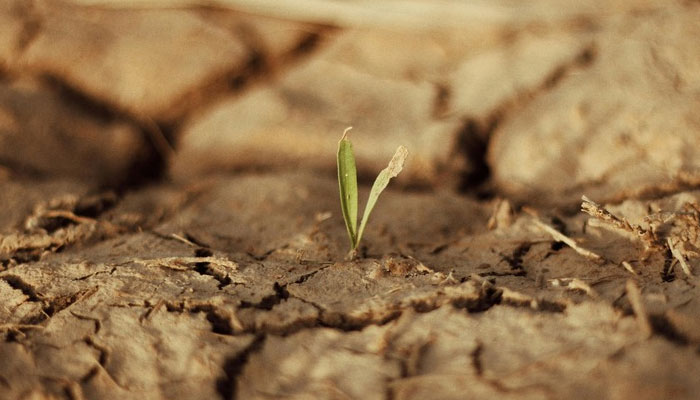

Modern agriculture depends heavily on chemical fertilizers to increase crop production and meet the food demands of a growing population. While fertilizers play an important role in improving agricultural yield, their excessive and unplanned use has created serious environmental challenges. One of the most alarming issues is soil degradation, which threatens the long-term productivity of farmland and the health of ecosystems.
Continuous application of synthetic fertilizers disturbs the natural balance of nutrients in the soil. Farmers often use large quantities of nitrogen, phosphorus, and potassium-based fertilizers without proper soil testing. As a result, the soil gradually loses its natural fertility and becomes dependent on artificial inputs. Over time, this weakens soil structure and reduces its ability to support healthy plant growth.
Excessive fertilizer use also destroys beneficial microorganisms living in the soil. These microorganisms help decompose organic matter, recycle nutrients, and maintain soil health. When harmful chemicals accumulate in the ground, microbial activity decreases, leading to poor soil quality and reduced agricultural sustainability.
Another major consequence of soil degradation is the increase in soil acidity and salinity. Certain chemical fertilizers raise acid levels in the soil, while others leave salt deposits after repeated use. Acidic and saline soils become less suitable for cultivation, affecting seed germination and crop development.
The effects of excessive fertilizers are not limited to farmland alone. Rainwater often washes surplus chemicals into nearby rivers, lakes, and canals. This process contaminates water resources and contributes to eutrophication, a condition in which excessive nutrients cause rapid growth of algae in water bodies. Such pollution harms aquatic life and reduces water quality for human use.

Soil degradation also has economic and social impacts. Declining soil fertility lowers crop productivity, increasing production costs for farmers. In developing countries, where agriculture is a major source of income, damaged soil can threaten food security and rural livelihoods.
Experts emphasize the importance of balanced fertilizer use and sustainable agricultural practices. Organic farming, crop rotation, compost application, and soil testing can help restore soil health and reduce environmental damage. Governments and agricultural departments should also educate farmers about responsible fertilizer management and encourage eco-friendly farming methods.
Protecting soil is essential for the future of agriculture and environmental stability. Fertile land is a valuable natural resource that cannot be replaced easily. Sustainable farming practices are therefore necessary to preserve soil quality, protect ecosystems, and ensure long-term agricultural development.
By: Huzaifa
BS botany
Govt. Girls Degree College No. 1 D I Khan
Comments are closed, but trackbacks and pingbacks are open.