
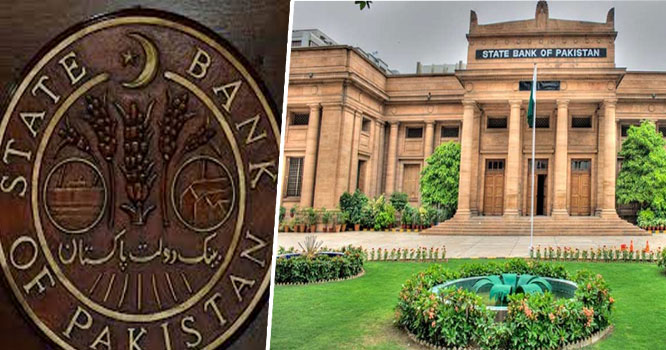
SBP allows licensed virtual asset firms to open formal bank accounts
Pakistan opens formal banking to crypto firms as new law takes effect

SBP – (Web Desk) – Pakistan’s central bank has taken a big step for crypto. The State Bank of Pakistan (SBP) now allows banks to open accounts for licensed crypto firms. These firms are called Virtual Asset Service Providers (VASPs). Experts say this move could bring crypto investors into the formal banking system. It may also help boost capital inflows into Pakistan.
This change did not happen overnight. It follows a new law called the Virtual Assets Act, 2026. Pakistan wants crypto businesses to operate inside the banking system. But there are strict anti-money laundering and compliance rules they must follow.
The SBP made this official through a formal circular. It stated that a new regulatory body has been created under the new law. This body is called the Pakistan Virtual Asset Regulatory Authority, or PVARA. PVARA is responsible for licensing, regulating, and supervising all crypto-related activities in Pakistan.
The SBP also cancelled its old 2018 rules on crypto. Back then, the central bank said virtual currencies were not legal tender. Banks were told to stay away from crypto — no trading, no holding, no transfers, no promotion. Those restrictions are now officially lifted.
Banks must now follow a clear process before working with crypto firms. They must verify each firm’s PVARA licence on their own. They also need to open special accounts just for crypto transactions. These accounts must be in Pakistani rupees. Funds in these accounts cannot be mixed with other money or used as collateral. Firms with a PVARA no-objection certificate can access limited services. Full banking services are only for fully licensed providers.
Banks still have responsibilities. They must follow all anti-money laundering and counter-terrorism financing rules. This includes doing thorough background checks on clients. They must also profile financial risks and report any suspicious transactions to the Financial Monitoring Unit.
The central bank’s decision marks the first formal integration of licensed virtual asset businesses into Pakistan’s regulated banking system, aligning the country with a small group of jurisdictions that have established structured banking access for digital asset providers.

Bilal bin Saqib, chairperson of PVARA, said the framework would help bring virtual assets into the formal financial system by enabling regulated access to banking channels and strengthening compliance standards.
“Subject to strict compliance with the conditions, SBP Regulated Entities (REs) may open bank accounts of entities duly licensed by PVARA as Virtual Asset Service Providers (VASPs),” the SBP said in the latest circular.
“Prior to onboarding a VASP or initiating any activity with it, REs shall obtain and retain on record a copy of the VASP’s valid license issued by PVARA and independently verify its authenticity from PVARA,” it added.
“REs shall open separate transactional accounts, ie, Client Money Accounts (CMAs), for settlement of authorised transactions of licensed VASPs, where applicable, based on the VASP’s business model to deliver permissible services to their clients,” it added. “Strict segregation between CMAs and other types of accounts of VASPs shall be ensured, and commingling of VASP funds with those of their clients shall be strictly prohibited.”
Ibrahim Amin, a financial expert, said that the decision to allow banks to facilitate crypto investors in opening and maintaining accounts is a good step, seemingly to attract capital inflows into the country’s banking system.
Saudi Arabia Extends $5 Billion Deposit Boosts Pakistan Financial Stability
He noted that the gradual progress to attract crypto investors into mainstream banking channels, along with regulatory checks and monitoring and calculated steps to invite crypto exchange companies to establish their system in Pakistan, will ultimately benefit the economy of the country.
The cryptocurrency platforms are providing handsome returns to investors; hence, many investors and customers in Pakistan will have a banking corridor to park their savings and investments in digital currencies, and the inflows of dollars will remain in the local banks, Amin said.
Comments are closed, but trackbacks and pingbacks are open.