

Pennsylvania Battles Major Measles Outbreak as Amish Communities Seek Vaccines
Pennsylvania Measles Outbreak Prompts Amish Communities to Seek Vaccines

Lancaster County, home to a large Amish population, has emerged as a major centre of the outbreak. More than 1,350 measles cases have been reported across Pennsylvania in 2026, with over a third recorded in Lancaster County, according to recent reporting. Five measles-associated deaths have also been confirmed statewide.
The outbreak has placed particular pressure on Amish and conservative Mennonite communities. Health officials and medical teams have been working to improve access to vaccination while addressing concerns, cultural practices and limited access to healthcare in some rural areas.
The rapid spread has raised concerns about infants and other vulnerable people who are too young or medically unable to receive the vaccine. Health experts have warned that measles can spread quickly in communities where vaccination coverage is low.
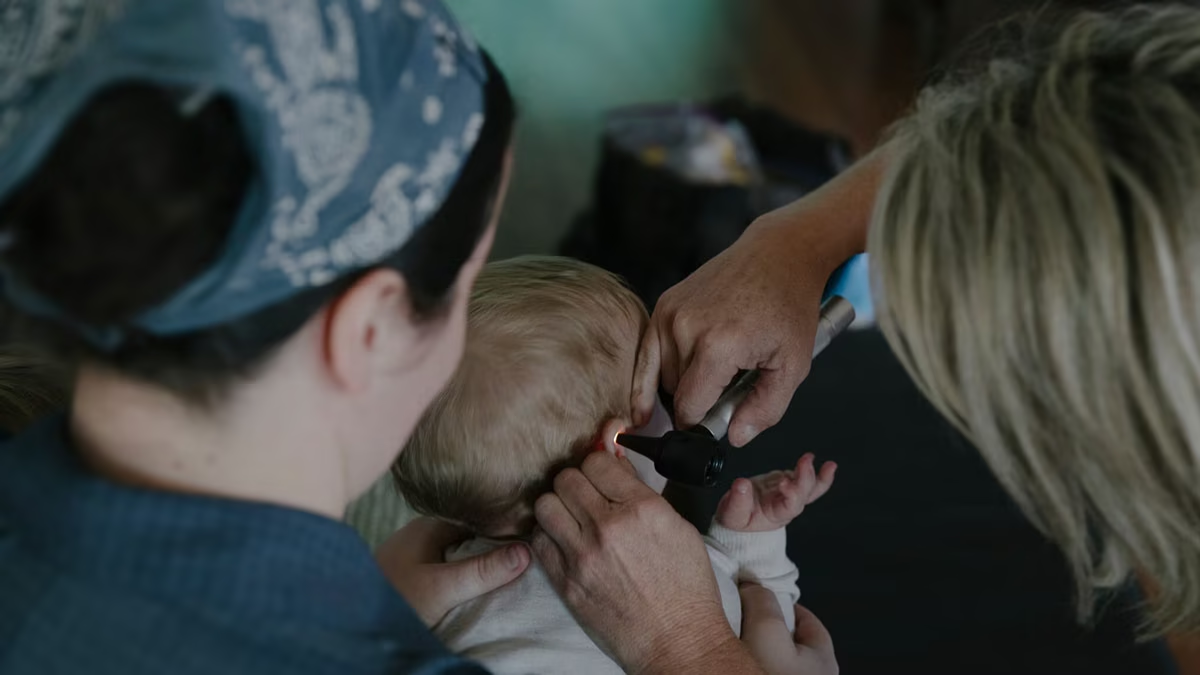
In response, medical teams have expanded vaccination efforts through mobile clinics and community-based outreach programmes. These initiatives are being adapted to respect local customs and cultural practices, helping healthcare workers reach families who may have limited access to conventional medical facilities.
Building relationships with community elders has also become an important part of the response. Health workers are increasingly seeing families come forward for MMR vaccinations, suggesting that concerns over the outbreak are encouraging greater acceptance of preventive healthcare.
The Associated Press has also reported increased openness to vaccination in some Amish and conservative Mennonite communities, with healthcare providers describing improved participation in vaccination days.
The outbreak highlights the importance of combining accessible healthcare with community trust. While vaccination remains the most effective protection against measles, public health officials face the challenge of ensuring that reliable information and immunisation services reach every affected community.
With cases continuing to spread, the success of these outreach efforts could prove crucial in limiting further infections and protecting vulnerable residents.
Comments are closed, but trackbacks and pingbacks are open.