
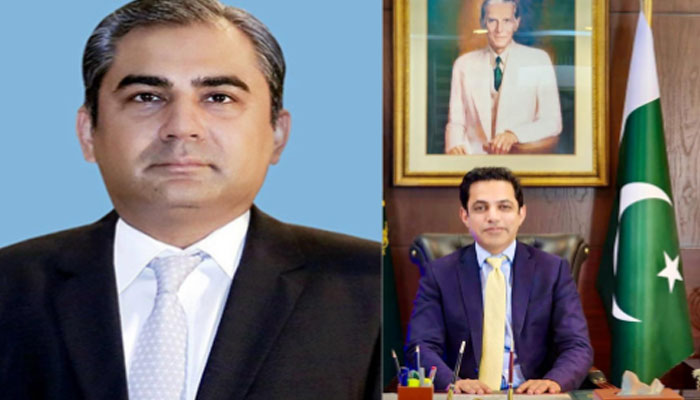
Making Islamabad Beautiful: CDA’s Development and Transformation Initiatives Under the Leadership of Mohsin Naqvi and Effective Supervision of Chairman CDA Sohail Ashraf
By: Mudassar Iqbal

Islamabad, the capital of Pakistan, is renowned for its natural beauty, green landscapes, wide avenues and well-planned sectors. Preserving this unique character while meeting the demands of a growing urban population requires sustained development, effective administration and a strong commitment to public service. The Capital Development Authority (CDA), under the leadership of Federal Minister for Interior Mohsin Naqvi and effective supervision of Chairman CDA Sohail Ashraf, CDA is working towards improving the city’s infrastructure, enhancing its appearance and strengthening civic management.
A Vision for a Cleaner, Greener and More Beautiful Islamabad
Making Islamabad more beautiful is not merely a matter of improving roads or constructing new infrastructure. It involves creating a city that is clean, organised, environmentally sustainable and comfortable for residents and visitors alike. This vision requires coordinated efforts across multiple areas, including road infrastructure, landscaping, horticulture, sanitation, public spaces, building regulation and the removal of illegal encroachments.
Under the dynamic leadership of the Ministry of Interior Mohsin Naqvi and effective supervision of CDA, development and civic management initiatives aim to improve the overall urban environment while preserving Islamabad’s identity as a green and planned capital.
Improving Roads and Urban Infrastructure
Well-maintained roads and efficient transport infrastructure are essential to a modern capital. Development projects across Islamabad, including improvements to major roads and the Islamabad Expressway East corridor, reflect the importance of upgrading infrastructure to facilitate smoother movement, improve connectivity and enhance the city’s appearance.
Timely completion, quality construction and effective maintenance are critical to ensuring that these projects deliver lasting benefits. Alongside major development schemes, attention to road surfaces, traffic management, drainage systems, pedestrian facilities and road safety can contribute to a more efficient and accessible urban environment.
The emphasis must remain on delivering durable infrastructure that meets the needs of citizens and supports the city’s long-term development.
Landscaping, Horticulture and Green Spaces
Islamabad’s natural beauty is one of its most valuable assets. Its tree-lined roads, green belts, parks and landscaped public spaces distinguish it from many other major cities. Protecting and expanding these features is therefore central to any effort to make the capital more attractive.
CDA’s horticultural and environmental initiatives can play an important role in improving green belts, maintaining parks, planting trees, beautifying road medians and restoring neglected public spaces. Regular maintenance, appropriate plantation and the protection of existing trees are as important as new landscaping projects.
A greener Islamabad also requires responsible urban planning. Development must be balanced with environmental protection so that the city’s natural landscape remains an enduring asset for future generations.
Enforcement Against Encroachments and Building Violations
An organised city depends on the consistent enforcement of building regulations and land-use rules. Unauthorised commercial activities, illegal structures and encroachments can obstruct public spaces, disrupt traffic and undermine planned urban development.
CDA’s enforcement operations, including action against identified structures along Islamabad Expressway East, form part of efforts to address building-control violations and regulate land use. Such measures can help restore public spaces, improve the appearance of commercial corridors and promote compliance with applicable laws.
Enforcement, however, must be transparent, impartial and conducted in accordance with the law. Clear procedures, appropriate notice, fair treatment and opportunities for lawful regularisation wherever permitted can help ensure that regulatory action serves the public interest while respecting due process.
Effective enforcement is not simply about removing illegal structures; it is about establishing a culture of compliance and preventing violations from recurring.
Better Civic Services and Public Spaces
A beautiful city is also one in which citizens experience reliable municipal services. Clean streets, properly maintained parks, efficient waste collection, functional streetlights, unclogged drainage systems and well-managed public spaces all contribute to the quality of urban life.
CDA’s performance can be strengthened through regular field inspections, prompt responses to public complaints, coordination among relevant departments and the use of modern monitoring systems. Greater attention to neglected neighbourhoods and busy commercial areas can help ensure that improvements are visible across the capital rather than limited to selected locations.
Public participation is equally important. Residents, traders, businesses and community organisations can support civic authorities by keeping public spaces clean, respecting building regulations, protecting trees and reporting problems through appropriate channels.
Leadership, Coordination and Accountability
The effective transformation of Islamabad requires clear priorities, coordination and consistent oversight. The role of Federal Minister for Interior Mohsin Naqvi and supervision of Chairman CDA Sohail Ashraf is associated with the administrative direction and supervision of initiatives intended to improve the capital’s infrastructure and civic environment.
Leadership must be supported by measurable objectives, professional management and accountability at every level. Regular project reviews, transparent reporting, adherence to quality standards and the timely resolution of operational challenges can help translate development plans into tangible public benefits.
Equally important is continuity. Sustainable urban improvement cannot be achieved through short-term campaigns alone. Roads must be maintained after construction, parks must remain green after plantation drives, and enforcement must be followed by effective monitoring to prevent renewed encroachments. For Islamabad to become an even more attractive and liveable capital, development efforts should be guided by a long-term, integrated approach. Priority areas include: Completing development projects on schedule while maintaining construction quality.
Protecting green belts, trees, parks and environmentally sensitive areas.
Strengthening enforcement of building-control and land-use regulations.
Improving sanitation, drainage, streetlighting and routine municipal maintenance.
Promoting pedestrian-friendly spaces and safer, more accessible roads. Using technology to monitor projects, address complaints and improve service delivery. Publishing clear performance indicators so that citizens can assess progress. Encouraging public cooperation in keeping neighbourhoods clean, green and organised.
These measures can help ensure that Islamabad’s development remains consistent with its planned character and the needs of its residents.
Making Islamabad beautiful is a continuous responsibility that demands vision, planning, hard work and public cooperation. Under the administrative leadership of Federal Minister for Interior Mohsin Naqvi and supervision of Chairman CDA Sohail Ashraf, the Capital Development Authority has an important role in advancing infrastructure development, improving civic services, regulating construction and protecting the city’s green cover.
The lasting success of these efforts will be reflected in cleaner streets, better-maintained roads, greener public spaces, improved municipal services and consistent enforcement of the law. By combining development with environmental stewardship, transparent administration and accountability, CDA can contribute to an Islamabad that is not only more beautiful in appearance but also more organised, sustainable and liveable for generations to come.
A beautiful Islamabad is ultimately a shared achievement—one built through responsible leadership, dedicated public servants and citizens who take pride in their capital.
Comments are closed, but trackbacks and pingbacks are open.