

Crimes against Kashmiri Journalist in Indian Occupied Jammu And Kashmir
By Syed Faiz Naqshbandi

Press freedom is a fundamental pillar of democracy, accountability and the rule of law. However, in Indian Occupied Jammu and Kashmir (IOJK), a UN-recognised disputed territory, journalists continue to face growing threats, arrests, intimidation, surveillance and restrictions on their professional activities. The situation is particularly alarming in a territory where more than 900,000 Indian armed forces personnel are reportedly deployed, representing one of the highest concentrations of military forces in the world. This extensive military presence has serious implications for peace and security, civilian life, freedom of expression and independent journalism.
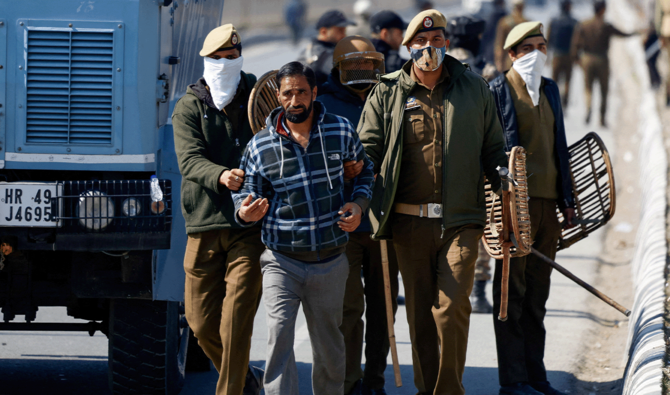
According to credible reports Kashmiri journalists have massively faced harassment, police interrogations, detention and intimidation for reporting on political developments, human rights concerns and the hardships experienced by ordinary people by Indian Government and its forces. The journalists are threatened, arrests, tortured and summoned for questioning frequently and pressured to disclose confidential sources. Such practices create an atmosphere of fear and self censorship, seriously undermining independent journalism.
Since the unilateral measures of 5 August 2019, which altered the constitutional status of Jammu and Kashmir, restrictions on media freedom have intensified. Journalists face difficulties accessing information, conducting independent investigations and reporting freely. The application of stringent legislation, including the Unlawful Activities (Prevention) Act (UAPA) and Public Safety Act (PSA), has further raised concerns about the criminalisation of journalistic activities.
These restrictions cannot be separated from the broader human rights situation in the territory. The torture, enforced disappearances, custodial killings, extrajudicial executions in staged encounters, arbitrary arrests and prolonged detentions in occupied Kashmir have continued to generate serious concerns. Demographic changes and measures affecting the disputed territory’s distinctive identity and political character have also raised questions under international law. Journalists attempting to investigate and report these developments face additional risks and professional pressures.
The consequences extend beyond individual journalists. When the media is intimidated into silence, victims of human rights violations lose an important channel through which their suffering can reach the international community. Independent reporting is essential to expose abuses, document violations and ensure accountability.
Freedom of expression is protected under Article 19 of the Universal Declaration of Human Rights and Article 19 of the International Covenant on Civil and Political Rights. India must respect its international human rights obligations and ensure that journalists can perform their professional duties without fear of harassment, arbitrary detention or retaliation.
The United Nations, OHCHR, UNESCO, international human rights organisations and global press freedom institutions must take serious notice of the deteriorating media environment in Indian occupied Jammu and Kashmir. Independent monitoring and investigations into reported violations are urgently required.
Ultimately, the Kashmir dispute cannot be resolved through military force, censorship or demographic changes. Its lasting and peaceful solution lies in the implementation of relevant United Nations Security Council resolutions, which recognise the right of the people of Jammu and Kashmir to determine their political future through a free and impartial plebiscite.
Silencing Kashmiri journalists there cannot silence the aspirations of the Kashmiri people. Protecting press freedom is inseparable from protecting human rights, justice and the fundamental right to self-determination.
The author is senior leader of All Parties HurriyetConference (APHC) and legal expert of international law. He can be reached at faiz.naqshbandi@gmail.com & at WhatsApp number 03335145416.
Comments are closed, but trackbacks and pingbacks are open.