
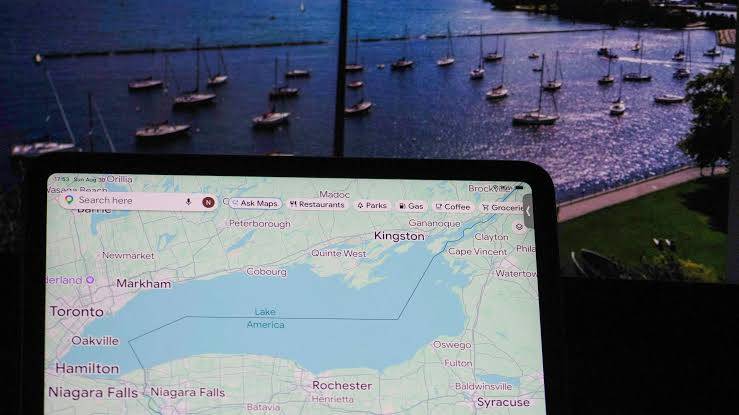
Lake America Google Maps Change Excludes Canadian Viewers
Trump's lake renaming order fuels fresh trade war friction with Canada

The Lake America Google Maps update is now live for people browsing maps inside the United States. This change follows a recent order from President Donald Trump, who directed federal agencies to rename Lake Ontario. The move has stirred fresh anger between Washington and Ottawa.
Google says it simply followed updated records from a federal naming database. This system tracks official place names across the country. Once the database changed, Google matched its maps to reflect the new title for American users.
People in Canada will not see any difference. Their maps still show the lake’s old name, rooted in Indigenous language and centuries of local history. Users outside North America will likely see both names side by side.
This is not the first time a major geographic feature has been renamed under this administration. A similar move happened last year with a large body of water near the southern coast. That change also drew pushback from a neighboring nation.
Apple has not followed Google’s lead so far. Maps on iPhones still show the lake under its traditional name. This split between two major tech companies has caught public attention online.
Canadian leaders reacted quickly and firmly. A senior provincial official called the entire situation strange and unnecessary. He pointed out that such a move feels more like comedy than serious policy.
He also warned that ongoing trade disputes could hurt industries on both sides. Car manufacturing ties between the two countries run deep, with many parts crossing the border multiple times before a vehicle is complete.
Trump has taken a tougher tone on trade lately. He expressed strong dislike for vehicles and parts coming from Canada. His comments came alongside a new wave of tariffs affecting several industries.
Canada answered with its own tariffs, targeting a wide range of American goods. Rates on both sides now stretch well into double digits, raising costs for shoppers and manufacturers alike.
Auto plants in both countries depend heavily on smooth cross-border supply chains. Any disruption could slow production lines and raise prices for everyday buyers.
The renamed lake sits right along the border shared by the two nations. It has long served as a natural link between communities on both sides.
For now, the map change stands as one more sign of strained ties between two countries that have shared decades of close partnership. Whether the name sticks permanently remains unclear, especially with talks between both governments still ongoing.
As trade talks continue, more shifts like this one may appear. People watching the situation should expect further updates in the coming weeks.
Comments are closed, but trackbacks and pingbacks are open.