

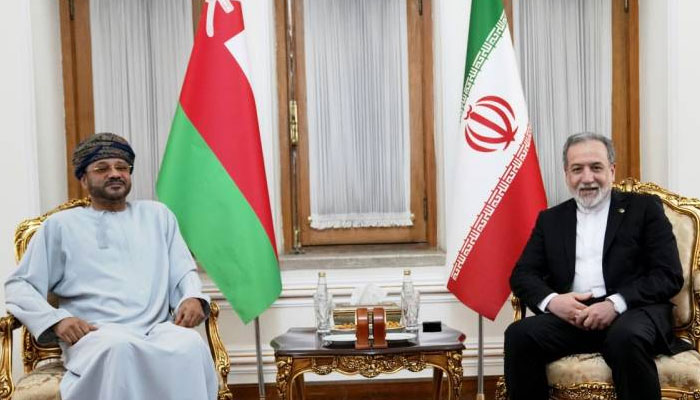
Iran Oman Discuss Temporary Corridor to Reopen Hormuz
Temporary Shipping Corridor Proposed for Strait of Hormuz

TEHRAN/MUSCAT — (Sports Desk) – Iran and Oman are working on a phased plan to restore shipping through the Strait of Hormuz, including the creation of a temporary navigational corridor and a joint effort to clear mines from the strategic waterway.
The proposal emerged from talks between Iranian Foreign Minister Abbas Araghchi and Omani Foreign Minister Badr Albusaidi in Tehran on August 25. The two sides said they had discussed a practical framework for resuming safe navigation while protecting the sovereignty and rights of the coastal states.
Under the proposed arrangement, Iran and Oman would establish a temporary joint shipping route while working on mine clearance. Technical negotiations are expected to continue on a permanent navigation corridor, future administration of the strait, information-sharing, traffic management and maritime security services.
Oman’s foreign minister expressed hope that the temporary corridor and practical measures to restore safe navigation could be announced soon. He indicated that discussions over the long-term management of the waterway would follow.

Iranian officials have provided additional details about the proposed route. According to Deputy Foreign Minister Kazem Gharibabadi, vessels entering the Persian Gulf from the Gulf of Oman would use a route passing through Iranian territorial waters, while the outbound route would involve both Iranian and Omani waters. Further talks are expected over the coming weeks.
The negotiations remain complicated by the wider conflict between Iran and the United States. Tehran has continued to link a full reopening of Hormuz to broader demands, including an end to hostilities, the lifting of restrictions and resolution of related regional disputes.
The strategic waterway remains crucial to global energy markets. Before the conflict disrupted shipping, the Strait of Hormuz carried roughly one-fifth of global oil and liquefied natural gas shipments, making any sustained disruption a major concern for energy markets and international trade.
Oman is seeking to keep freedom of navigation separate from the wider geopolitical confrontation while encouraging other Gulf states to participate in discussions. The joint statement also called for regional consultations and emphasized compliance with international law and respect for the sovereign rights of coastal states.
Despite the diplomatic progress, the waterway has not yet returned to normal commercial traffic. Preliminary shipping data showed only five commodity-vessel transits through Hormuz on Tuesday, compared with a 10-day average of 15.
Comments are closed, but trackbacks and pingbacks are open.