

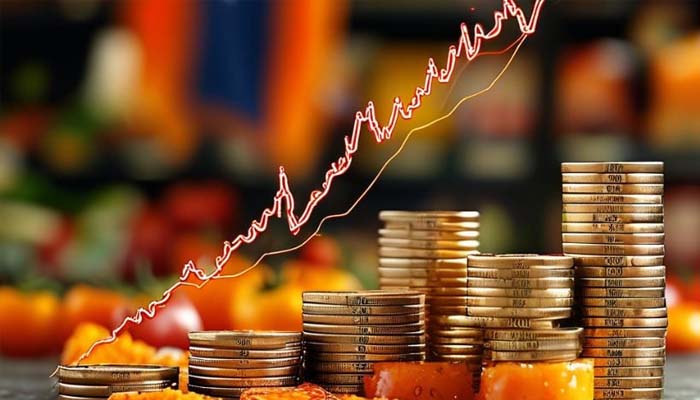

At 11:00 PM in a narrow alley in Islamabad, when the silence begins to take hold, waves of anxiety wake up inside an ordinary man’s home . Holding a motorcycle key in one hand and a half-burnt cigarette in the other, with an ocean of exhaustion in his eyes, this man is not just an individual—he is the representative of millions in this country . When a voice from inside the house reminds him that the child’s school fees are due tomorrow and his mother’s medicine has run out, the 380 rupees in his pocket feel like a stinging slap across his face . This bitter reality is no longer a stranger; it has become the funeral dirge of every other household .
The Tale of the King and the Baker
Our economic policies mirror the story of a king who ordered a baker to raise the price of bread from 5 rupees to 30 . When the public took to the streets in protest, the king “scolded” the baker and ordered the price be reduced to 15 rupees. The people returned home chanting slogans of gratitude, believing the king had done them a massive favor, even though the bread was still three times its original price . Today, the same game is being played with petrol prices in Pakistan . When the price was pushed to 458 rupees per liter and then “reduced” to 378 rupees. amid loud proclamations of “relief,” no one asked a simple question: if the country could function at 378 rupees, why was the burden of 458 rupees imposed in the first place?
Not Happiness, but the Habit of Slavery
The joy we feel at this so-called “relief” is not true happiness; it is the worst form of slavery, where a person becomes

accustomed to their chains. the common man has become so used to inflation that he knows the electricity bill on the first of the month will devour half his salary, that the gas bill will arrive even if the gas doesn’t, and that he must accept it all in silence . Whether it is Saleem the rickshaw driver or a young man with an M.Phil degree working at a petrol pump, a sense of defeat is written in everyone’s eyes . When a father is forced to lie to his children, saying, “I couldn’t bring fruit today because I wasn’t feeling well,” understand that it isn’t just the economy failing—the moral foundations of the state. are crumbling.
Gleaming Palaces and Dark Alleys
The reality is that the poor are always made the sacrificial lambs . Whether the dollar rises, oil prices spike, or the treasury sits empty, the burden falls squarely on the laborer, the clerk, and the teacher . A minister’s car is never taken away, an official’s protocol is never ended, and the electricity bills of the elite never seem to increase .The rulers’ dining tables grow larger while the public’s plates shrink. In the vegetable market, when a woman buys only half a kilo of potatoes and two green chilies and says, “I just have to convince the curry at home that it is still alive,” that sentence marks the murder of an entire generation’s dreams.
The Need of the Hour: Justice, Not Just Relief
The Pakistani public has been forced to vote for bags of flour rather than ideologies—a terrifying omen for any nation . Nations are not sustained by slogans but by justice . If the intentions were truly pure, rulers would slash their own luxuries and dim the lights of government buildings before hiking petrol prices . The people do not need false consolations or the deception of “relief”; they need dignity and truth. The day is not far when these silent masses will ask how petrol went from 80 rupees to 378 . And on that day, the king will have no answer .
Editorial Note: This column reflects the current economic situation and its profound impact on the life of the common man.

Comments are closed, but trackbacks and pingbacks are open.