
India’s Growing Diplomatic Isolation and Pakistan’s Rising Global Influence
By Syed Faiz Naqshbandi

Recent geopolitical developments have underscored Pakistan’s growing diplomatic relevance and its emergence as a vocal advocate for peace, dialogue and regional stability. At a time when escalating hostilities between US-Israel and Iran threatened to ignite a wider regional conflict with potentially catastrophic consequences, Pakistan consistently called for restraint, diplomacy and adherence to international law. Through sustained diplomatic engagement at regional and international forums, Islamabad projected itself as a responsible state committed to de-escalation, peaceful conflict resolution and humanitarian values.
Pakistan’s diplomatic outreach, spearheaded by Prime Minister Shehbaz Sharif and CDF/Field Marshal Syed Asim Munir, reflected a unified national approach centred on regional peace, strategic stability and constructive international engagement. Rather than contributing to regional polarization, Pakistan repeatedly emphasized dialogue over confrontation and highlighted the devastating humanitarian consequences of war, particularly the suffering of innocent civilians. This approach strengthened Pakistan’s diplomatic profile and reinforced its image as a constructive voice during one of the most volatile periods in the region.
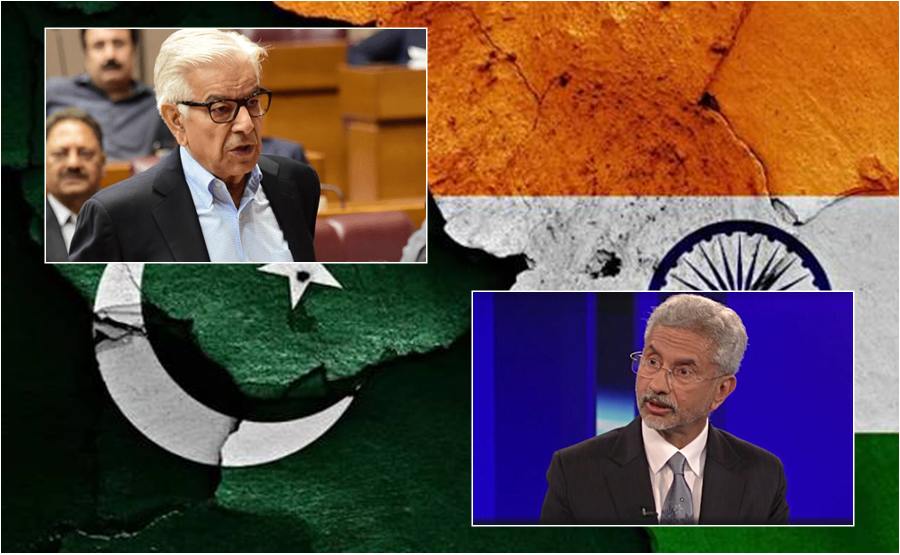
The changing regional landscape has also challenged long held political narratives. India once asserted that it would diplomatically isolate Pakistan. Today, many analysts had considered opinion that the diplomatic environment appears to be shifting in the opposite direction. Pakistan has broadened its international engagement, expanded strategic partnerships and projected itself as an increasingly active participant in regional diplomacy. Commentators in India have also debated Pakistan’s growing diplomatic and strategic visibility, reflecting an evolving regional discourse.
Pakistan’s active diplomatic engagement during the Middle East crisis, together with its outreach to key regional partners, has contributed to its expanding international profile. Its growing cooperation with countries including Saudi Arabia, Türkiye and Egypt has further demonstrated Islamabad’s efforts to strengthen regional partnerships and promote political dialogue. Supporters of Pakistan’s foreign policy also credit the Pakistan’s civilian and military leadership with enhancing its diplomatic standing through sustained international engagement.
In contrast, India’s conduct during the same period has raised significant diplomatic questions. Despite being a major regional power and Pakistan’s immediate neighbour, New Delhi played no role in promoting de-escalation or facilitating diplomatic engagement during the crisis. Instead, its continued strategic engagement and support to Israel at a time of active military operations attracted criticism from those who viewed such positioning as inconsistent with the broader international calls for restraint, humanitarian protection and a negotiated settlement.

Another major diplomatic challenge for India has been its unilateral decision to suspend the Indus Waters Treaty. For more than six decades, the treaty has been regarded as one of the world’s most enduring examples of transboundary water cooperation. Any unilateral attempt to suspend or undermine such a legally binding agreement raises important questions regarding respect for treaty obligations and the rules based international order. Rather than weakening Pakistan’s position, the move has reinforced Islamabad’s diplomatic and legal argument that international agreements must be honoured and disputes resolved through established legal mechanisms rather than unilateral action.
Pakistan has consistently maintained that water should never be used as a political instrument. By pursuing legal, diplomatic and institutional avenues instead of reciprocal escalation, Islamabad has strengthened its image as a state committed to international law and responsible statecraft.
Equally significant is India’s continued assertion that the Jammu and Kashmir which is internationally and UN recognised disputed territory, is an integral part of India with systematic and massive human rights abuses in Indian occupied territory. The dispute remains on the agenda of the United Nations and continues to be the subject of relevant UN resolutions. Unilateral measures cannot substitute for a negotiated political settlement. Lasting peace in South Asia requires meaningful dialogue and a resolution that is consistent with international law and takes into account the aspirations of the people of Jammu and Kashmir and in line with UN resolutions.
Diplomatic influence is not determined solely by military capability or economic strength. It is earned through credibility, consistency, respect for international law and the ability to build trust among nations. States that increasingly rely on unilateral actions risk weakening their diplomatic standing, whereas those that advocate dialogue, cooperation and peaceful coexistence are more likely to strengthen their international credibility. Pakistan’s continued emphasis on dialogue, regional cooperation and adherence to international law has enhanced its diplomatic profile, while India’s policies have invited greater international scrutiny and India’s global isolation The contrast between these two approaches is becoming increasingly evident.
The international community should now move beyond managing recurring crises and focus on addressing their underlying causes. A just, lasting and peaceful resolution of the Jammu and Kashmir dispute, in accordance with relevant United Nations resolutions and through peaceful dialogue, remains essential for durable peace, regional stability and shared prosperity in South Asia.
The author is a legal expert and senior leader of APHC and can be reached at faiz.naqshbandi@gmail.com and WhatsApp: +92 333 5145415.
Comments are closed, but trackbacks and pingbacks are open.