
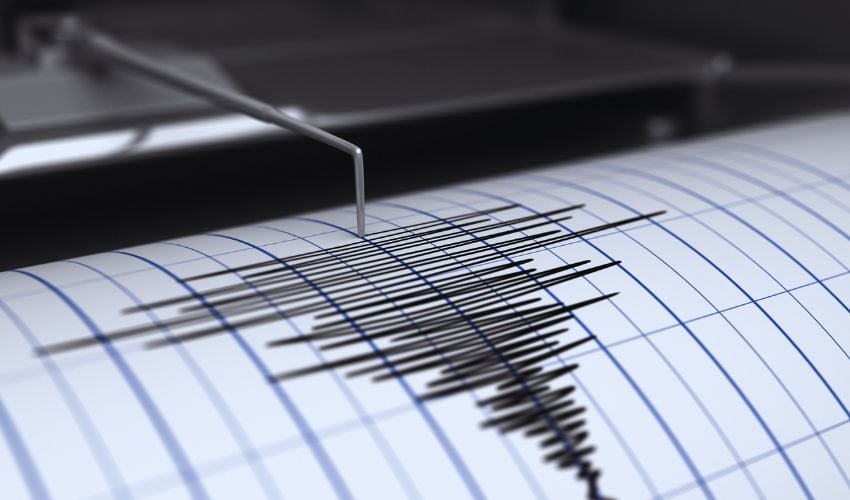
Hokkaido Earthquake 6.2 Magnitude 2026 Shakes Northern Japan
A powerful Hokkaido earthquake 6.2 magnitude 2026 rattled northern Japan, raising serious fears of a devastating megaquake hitting the country soon.

The Hokkaido earthquake 6.2 magnitude 2026 struck Japan’s northern island in the early hours of Monday morning, startling residents still asleep at 5:23 am local time. Both Japanese and US meteorological agencies confirmed the quake, which hit Hokkaido’s southern region at a depth of about 83 kilometers — deep enough to avoid a tsunami but strong enough to shake the ground hard.
No tsunami — but rockfalls and landslides are a real threat
The Japan Meteorological Agency (JMA) quickly confirmed that no tsunami alert was needed. However, officials wasted no time in warning that areas hit by strong shaking now face a higher risk of falling rocks and landslides. The US Geological Survey also weighed in, saying property damage and risk to life looked minimal, largely because the affected area sits around 200 kilometers east of Sapporo — a region with a fairly small population.
JMA officials added that people living in and around the affected zone should expect similar-strength aftershocks over the next seven days. Just hours before this quake struck, a separate magnitude 5.0 tremor had already rattled the sea a few hundred kilometers south of Hokkaido, showing how restless the region has become.
Part of a bigger and worrying pattern
This latest quake is not happening in isolation. Less than a week ago, a powerful 7.7 magnitude earthquake hit off the coast of northern Iwate prefecture, injuring six people and sending tsunami waves as high as 80 centimeters crashing into a nearby port. Buildings in Tokyo shook from hundreds of kilometers away — a sign of how powerful the tremor was.
After that Iwate quake, the JMA issued a serious warning: the chances of a megaquake — measuring 8.0 or above on the Richter scale — are now higher than usual. The agency described the risk as “relatively higher than during normal times,” which is Japan’s way of urging people to stay alert without causing panic.
Why Japan never stops shaking
Japan sits on top of four massive tectonic plates along the Pacific’s so-called “Ring of Fire.” With around 125 million people living on this archipelago, the stakes are always high. The country experiences roughly 1,500 earthquakes every single year and is responsible for about 18% of all earthquakes recorded on Earth. Seismic activity here is not rare — it is a constant reality of daily life.
The shadow of 2011 still looms large. A 9.0 magnitude undersea earthquake that year triggered a catastrophic tsunami, killing or leaving missing around 18,500 people. It also triggered a nuclear meltdown at the Fukushima power plant — a disaster that changed Japan and the world’s approach to nuclear energy forever. That memory makes every strong quake feel heavier.
The JMA is urging residents across the affected prefectures to check their emergency kits, know their evacuation routes, and stay informed through official channels. Landslide and rockfall risks remain elevated in areas that experienced intense shaking. Aftershocks can arrive without warning, so caution is key in the days ahead.
Comments are closed, but trackbacks and pingbacks are open.