

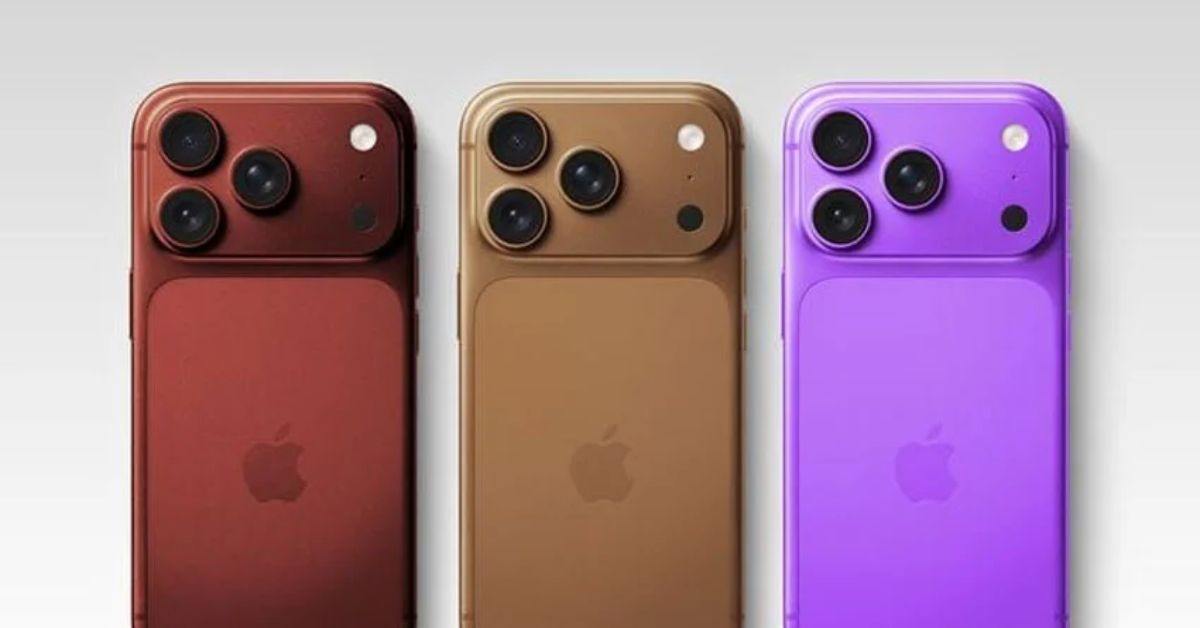
Apple Faces Challenges With Ambitious iPhone Anniversary Design
Apple Struggles With Technology for Planned iPhone 20 Pro

WASHINGTON: (Web Desk) – Apple Inc. is reportedly rethinking its ambitious plans for a special iPhone to celebrate the device’s 20th anniversary, as technical limitations threaten some of its most advanced features. The company had been expected to unveil a premium “iPhone 20 Pro” in 2027, potentially skipping the iPhone 19 name, in line with its past unconventional naming choices.
The anniversary model was envisioned as a major design breakthrough, featuring a completely uninterrupted, edge-to-edge display without notches, punch holes, or visible sensors. Apple was also exploring the integration of an under-display front camera and possibly removing physical buttons altogether. To support this vision, it had been collaborating with Samsung Electronics on next-generation curved display panels.
However, new reports suggest that Apple is encountering serious challenges. Under-display camera technology still struggles to deliver high-quality selfies, falling short of the standards iPhone users expect. Apple appears unwilling to compromise on camera performance, which remains a core strength of its devices.

Apple plans major camera upgrades and redesign for iPhone 18
There are also issues with under-display Face ID, which is said to be experiencing slower response times and inconsistent performance. This feature, once expected to arrive sooner, may now face delays or even be dropped from the anniversary model altogether.
These technical hurdles raise questions about whether the iPhone 20 Pro will achieve the groundbreaking design Apple initially aimed for. If the technology does not mature in time, the company may need to scale back its plans or shift focus to other innovations.
Despite these setbacks, Apple is continuing work on other projects, including its much-anticipated foldable iPhone, which is reportedly moving closer to production. With several years still before launch, experts believe Apple has time to address these challenges—but failure to do so could mean missing a major opportunity to reshape smartphone design.
Comments are closed, but trackbacks and pingbacks are open.