

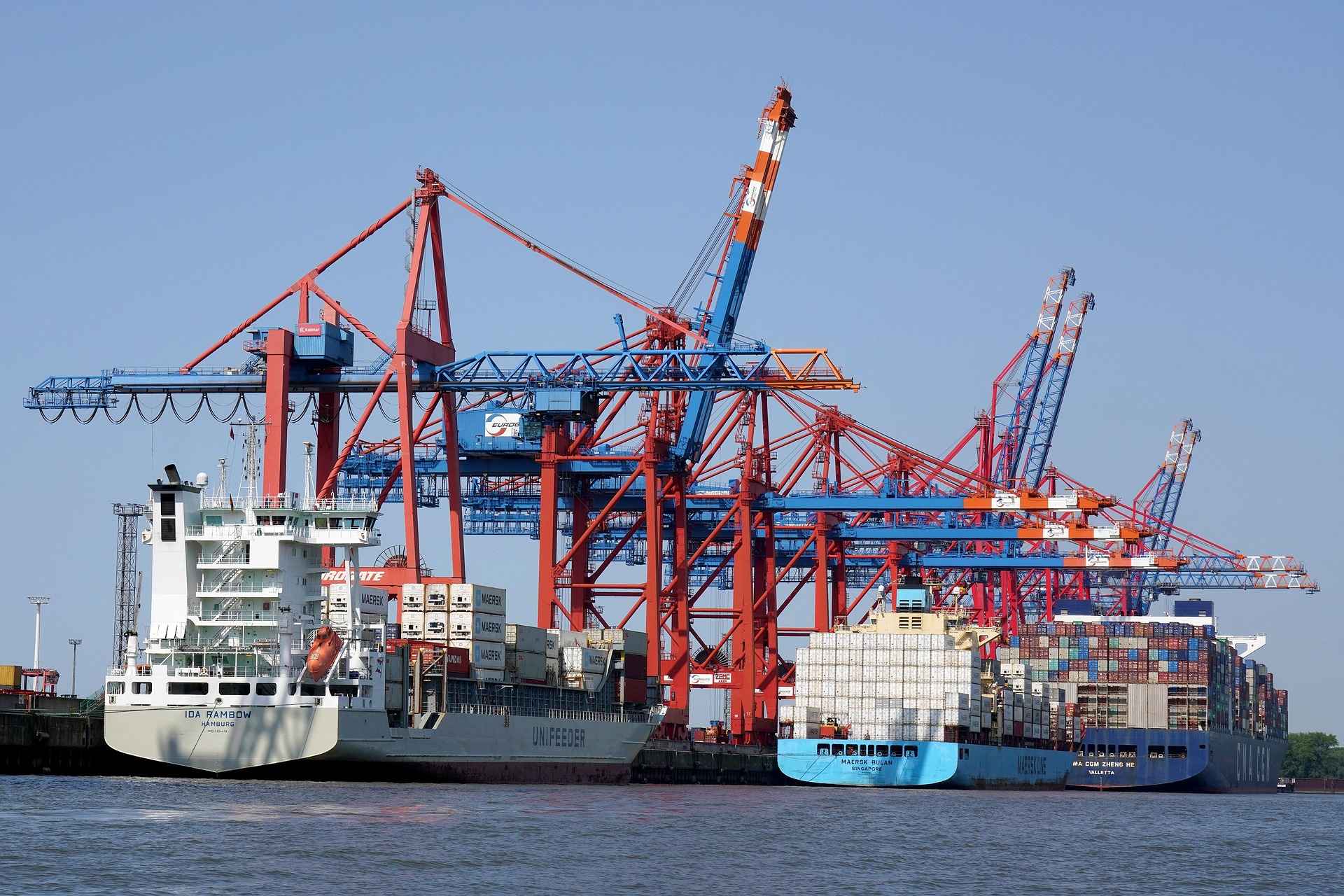
Economic Pressures, Rising Trade Deficit, and the Debt Trap: Where Is Pakistan Heading?
(Dr. Muhammad Tayyab Khan Singhanvi, Ph.D)

Pakistan’s economy currently stands at a critical juncture where external pressures, internal structural weaknesses, and evolving global dynamics have converged to create a deep and multifaceted economic challenge. The data from the first nine months of the current fiscal year clearly indicates that the country’s trade balance is steadily deteriorating, while overall economic activity is drifting into uncertainty. A widening trade deficit, declining exports, and mounting external repayment obligations are not only undermining present economic stability but also clouding future prospects.
According to recent figures, the trade deficit for the period from July to March has surged to approximately $28 billion, reflecting a substantial increase compared to the same period last year. This rise is not merely a statistical fluctuation; rather, it points to deeper structural and external issues. The decline in exports by over 8 percent highlights fundamental weaknesses in Pakistan’s production capacity, competitiveness in global markets, and export strategy. The textile sector long considered the backbone of the country’s exports appears to be losing its traditional strength, while reduced exports of rice and other food commodities underscore the growing challenges within the agricultural sector.
A closer examination of these trends reveals that global geopolitical tensions, particularly in the Middle East, have played a significant role. Disruptions in key trade routes, rising shipping costs, and delays in cargo movement have created serious hurdles for Pakistani exporters. At the same time, subdued global demand driven by inflationary pressures in advanced economies has constrained import capacity in key markets, thereby adversely affecting export-oriented economies like Pakistan.
On the import side, even a relative slowdown has failed to offset the widening trade gap. This reflects a deeper structural imbalance within the economy. Pakistan remains heavily dependent on imports, especially for energy, industrial raw materials, and machinery. In such a scenario, when exports decline while imports remain essential, a growing deficit becomes almost inevitable. This is precisely the situation the country is currently facing.
Adding to these challenges is the increasing burden of external debt repayments. During the April–June 2026 quarter alone, Pakistan is required to make external payments exceeding $7.45 billion. These include commercial loans, Eurobonds, and bilateral as well as multilateral obligations. Notably, this figure also incorporates around $3 billion in deposits, which may provide temporary relief but do not constitute a sustainable solution. Overall, the country is expected to repay approximately $19.56 billion in external obligations during the current fiscal year, placing immense pressure on its foreign exchange reserves.

This raises a critical question: does Pakistan possess the capacity to meet these obligations in a timely and sustainable manner? While financial support from friendly countries offers short-term breathing space, it simultaneously perpetuates a cycle of dependency that is increasingly difficult to break. Moreover, the conditionalities imposed by international financial institutions, coupled with fiscal discipline requirements and domestic political instability, further complicate the economic landscape.
At the heart of this situation lies the issue of policymaking. Pakistan urgently needs a comprehensive and long-term economic strategy focused on enhancing exports, rationalizing imports, and strengthening domestic industries. Reviving the textile sector will require reducing energy costs, adopting modern technologies, and ensuring compliance with international quality standards. Similarly, agricultural reforms, value addition, and diversification of export markets are essential to unlock the sector’s true potential.
In addition, there is a pressing need to document the economy, expand the tax base, and integrate the informal sector into the formal framework. Without increasing domestic revenue, reliance on external borrowing cannot be reduced. Structural reforms in the energy sector, resolution of circular debt, and promotion of renewable energy sources are also crucial for long-term stability.
In the context of a rapidly changing global environment, Pakistan must also recalibrate its trade strategy. Exploring new markets, promoting regional trade, and improving trade agreements can significantly boost export performance. Regions such as China, Central Asia, Africa, and Eastern Europe offer promising opportunities, provided they are approached with a well-defined and proactive strategy.
In conclusion, the current economic situation serves as a stark warning. It calls for immediate, decisive, and effective action. Failure to act in time could transform existing challenges rising trade deficits, mounting debt, and economic instability into a full-blown crisis. However, with the right direction, serious implementation of reforms, and a national commitment to economic stability, Pakistan can navigate through these difficulties and move toward a more resilient and self-reliant economic future.


Comments are closed, but trackbacks and pingbacks are open.