

Combination of Two Cancer Drugs Shows Promising Survival Benefits in Advanced Kidney Cancer Patients
Kidney Cancer Trial Reveals Benefits of Two-Drug Treatment

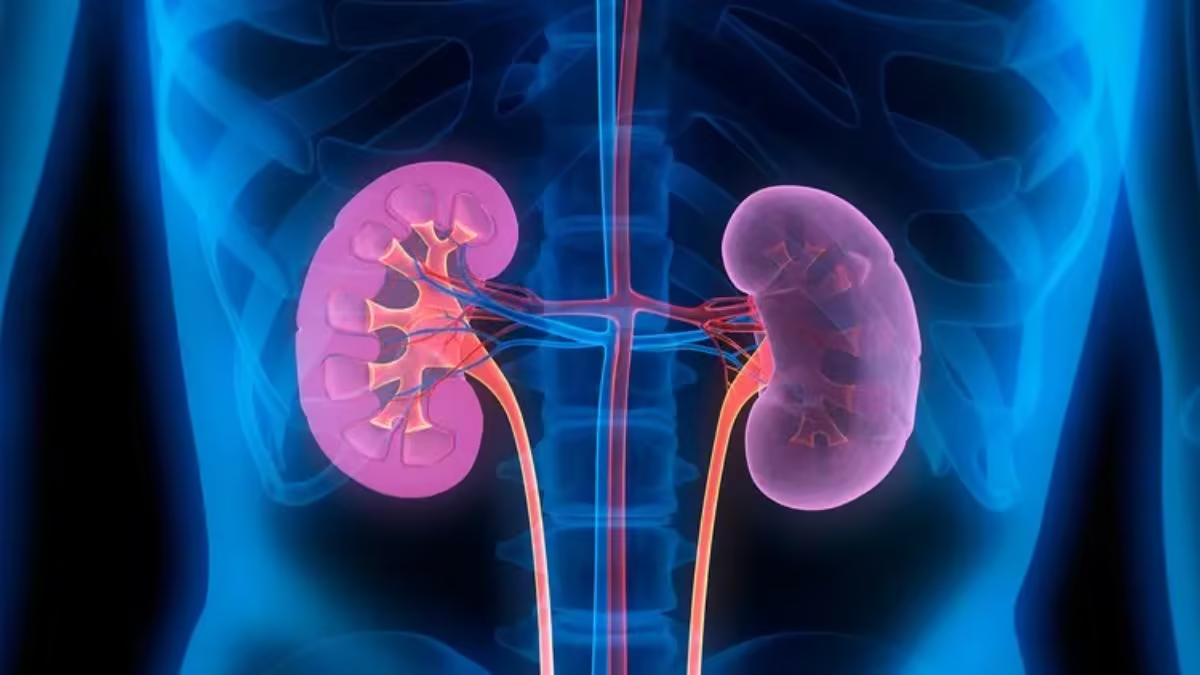
The study examined the effectiveness of combining Votrient, manufactured by Novartis, and Avastin, developed by Roche, in patients with metastatic clear cell renal cell carcinoma, a type of kidney cancer that has spread to other parts of the body.
The trial involved 51 patients who received the two medicines on an alternating basis. Both drugs work by blocking vascular endothelial growth factor (VEGF), a protein that helps tumours develop new blood vessels to obtain oxygen and nutrients.
Researchers reported that participants survived for a median of 63.2 months, while the median period during which their cancer did not progress reached 24.8 months.
These results compare favourably with outcomes associated with Votrient alone, which has been reported to provide median overall survival of approximately 28.4 to 29.3 months and progression-free survival of 9.2 months in previously untreated patients with metastatic clear cell kidney cancer.
The most encouraging results were observed among 33 participants classified as having favourable-risk disease. In this group, median progression-free survival reached 28.5 months, while median overall survival was reported at 76.9 months.
Study leader Dr Saby George of Roswell Park Comprehensive Cancer Center in Buffalo, New York, said the treatment combination produced outcomes comparable to, or potentially better than, some modern immunotherapy combinations among favourable-risk patients.
He also highlighted the potential financial advantage of the treatment, noting that the combination could offer a less expensive alternative to certain immunotherapy regimens.
The findings could be particularly relevant for patients who cannot receive immune-checkpoint inhibitors such as Keytruda and Opdivo because of autoimmune conditions. The high cost of some immunotherapy treatments also creates barriers for patients in countries with limited healthcare resources.
However, the findings come from a relatively small midstage trial, and further research will be needed to establish the treatment’s effectiveness and its potential role alongside modern kidney cancer therapies.
Comments are closed, but trackbacks and pingbacks are open.