
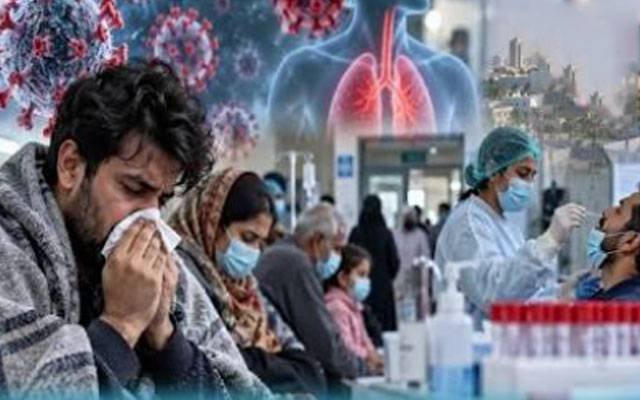
NIH Issues Two Health Advisories as Infectious Diseases Rise Across Pakistan
Hundreds of Children Reportedly Die as Measles Cases Rise

According to health officials, several patients suffering from diphtheria are currently receiving treatment at the Pakistan Institute of Medical Sciences (PIMS) in Islamabad. Cases of whooping cough have also been reported in Islamabad and Rawalpindi.
Meanwhile, measles has reportedly claimed the lives of hundreds of children across the country, raising serious concerns about weaknesses in routine childhood immunisation programmes.
Medical experts have criticised federal and provincial health authorities over their failure to improve childhood vaccination coverage. They have also warned that misleading anti-vaccination campaigns on social media are discouraging parents from getting their children immunised, potentially exposing them to preventable diseases.
In its advisory on vaccine-preventable diseases, the NIH identified missed vaccine doses, low immunisation coverage, improper vaccine storage and handling, and delays in diagnosis as major concerns.
The institute urged health authorities to identify children who have missed routine vaccinations and ensure they receive the required doses without further delay.
Hospitals have also been directed to remain alert, promptly identify suspected infections and report cases to the relevant health authorities. Provincial health departments and healthcare facilities have been asked to implement both advisories and submit reports detailing the steps taken.
The NIH’s second advisory focuses on seasonal influenza, warning that the virus can cause serious complications, particularly among vulnerable groups.
Older adults, children under five, pregnant women and people suffering from diabetes, heart conditions or respiratory illnesses have been identified as being at greater risk of developing severe complications.
According to NIH surveillance data, Pakistan recorded 47,417 suspected cases of influenza-like illness and 1,805 suspected cases of severe acute respiratory infection during Week 41.
The institute clarified that these figures represent suspected cases reported through its surveillance system and should not be interpreted as laboratory-confirmed influenza infections.
Comments are closed, but trackbacks and pingbacks are open.