
PML-N PPP Coalition AJK: What the Election Result Means Beyond Kashmir
Punjab and Sindh's ruling parties race for power in Azad Kashmir while boycott clears their path

AJK – (Staff Reporter/Web Desk) – The PML-N PPP coalition AJK relationship faces a fresh test as Azad Jammu and Kashmir heads to the polls on July 27. With Pakistan Tehreek-e-Insaf sitting out the race, the two mainstream parties are left to fight it out for control of the region’s next government.
PTI had won big in the last AJK election. This time, the party chose to skip the vote entirely. Its leadership says the decision came as a show of support for an ongoing protest movement in the region, one that has already been declared unlawful by authorities.
That absence changes the math for everyone else. Analysts say the party in power in Islamabad usually holds an edge in AJK elections, and this cycle is no different. Without PTI on the ballot, PML-N stands to gain the most, especially on the twelve seats set aside for refugees.
PPP faces a tougher road on those same seats. Most of them sit in Punjab, where the party has little support. PPP is instead pinning its hopes on two seats in Karachi, along with momentum from a recent strong showing in Gilgit-Baltistan.
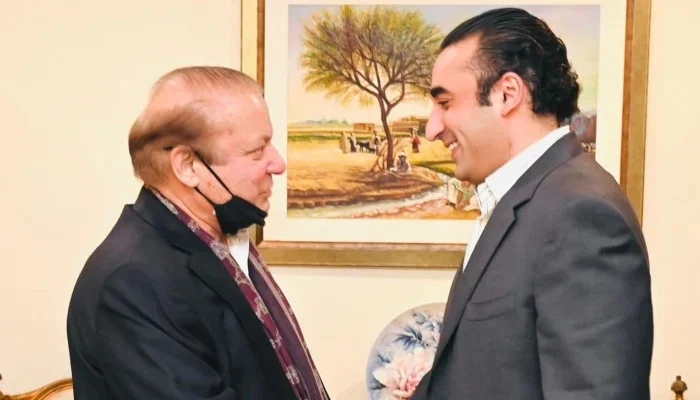
Both parties sent heavyweight leaders to campaign on the ground. Former prime minister Nawaz Sharif made an active return to AJK politics after a long absence. Punjab Chief Minister Maryam Nawaz joined him, promising new development projects including a metro and motorway for the region.
PPP countered with Chairman Bilawal Bhutto Zardari, who led the party’s push after finding success in neighboring Gilgit-Baltistan. He’s hoping that energy carries over into a strong AJK result.
Despite sharp words traded during the campaign, most observers don’t expect the rivalry to break the coalition in Islamabad. The two parties have too much shared history and too many practical reasons to keep working together.
That history runs deep. PML-N was formed in the 1980s largely to challenge PPP’s hold on Punjab. The two spent years as rivals before signing the Charter of Democracy in 2006, a pact meant to let elected governments serve out their terms without interference.
PTI’s rise after 2013 pushed PML-N and PPP even closer, uniting them against a common political threat. That dynamic still shapes how they operate today, even as they compete fiercely at the ballot box.
Whoever wins in AJK will inherit a difficult task. The newly formed government will need to manage tensions with the banned protest committee whose grievances remain unresolved. First-time phased voting adds another layer of uncertainty, with some questioning whether releasing results phase by phase could affect public trust in the outcome.
For now, both parties insist their national partnership stands firm. But how this election plays out could quietly reshape the terms of that partnership going forward.
Comments are closed, but trackbacks and pingbacks are open.