

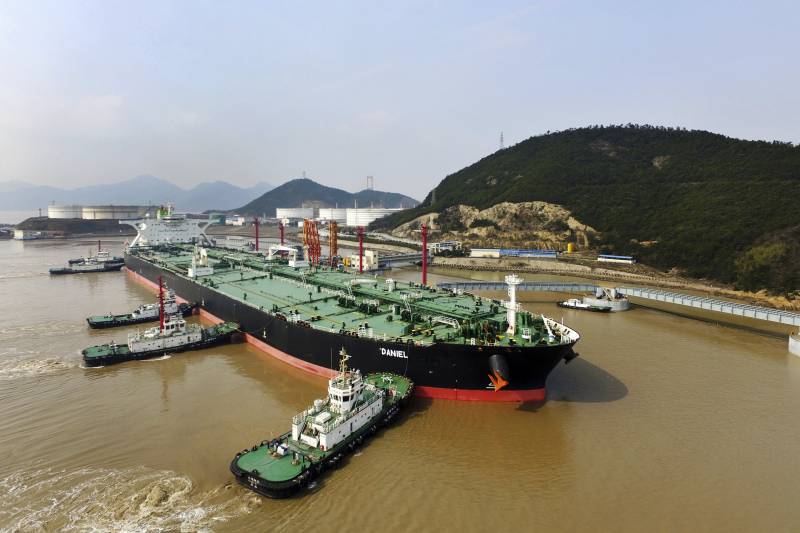
Oil Tanker Fire Near Strait of Hormuz Sends Prices to Six-Week High as US Strikes Iran
US Strikes Iran Rattle Global Oil Markets as Houthis Widen Red Sea Conflict

GLOBAL MARKET – (Special Correspondent/Web Desk) – Oil prices jumped sharply on Thursday after an oil tanker fire near the Strait of Hormuz rattled global markets. The spike came just hours after fresh US strikes on Iran added to fears of a wider conflict in the region.
Brent crude climbed past $96 a barrel, its highest level in more than six weeks. Many traders now see a brent crude $96 forecast as realistic if tensions keep rising through the coming days.
US West Texas Intermediate also gained ground, trading near $88 a barrel after a strong rally the day before. Analysts say the us strikes iran oil prices impact is becoming one of the biggest market movers this year.
The US military confirmed it carried out its twelfth straight night of attacks on Iran. President Trump warned that Iran would face heavy consequences for any future strikes near the Strait of Hormuz.
Iran’s Revolutionary Guards said one oil tanker caught fire while trying to pass through a route they described as mined. Two other tankers reportedly turned back before entering the area.
Officials from the Guards claimed they now fully control the strait. They warned that no vessel could enter or leave without their approval while the conflict continues.
At the same time, Yemen’s Houthi forces opened a new front in the fight. They threatened ships carrying Saudi oil through the Bab el-Mandeb Strait and announced a naval blockade against Saudi Arabia.
The group said it targeted two Saudi oil tankers, and shipping reports confirmed damage to one vessel, the Encelia. Around ten other ships were reportedly forced to turn back after warnings from Houthi forces.

These overlapping threats near two major shipping routes are raising fears of a much bigger supply disruption. Analysts say even short-term blockages near Hormuz can send prices soaring within hours.
On the supply side, US crude stocks rose by two million barrels last week. This was unexpected, since analysts had predicted a decline instead of an increase.
The IRGC spokesman warns shipping firms that the mined southern route through the Strait of Hormuz will spell disaster for their investments. They should not be fooled by child-killing America. pic.twitter.com/LazUkBJ7JF
— IRNA News Agency ☫ (@IrnaEnglish) July 22, 2026
Refinery activity slowed and crude exports dropped during the same period. At the same time, imports increased, adding another layer of uncertainty to an already volatile market.
Energy experts believe the combination of Middle East tensions and shifting US supply data will keep oil prices unpredictable in the near term. Many are closely watching whether attacks near the Strait of Hormuz will escalate further.
If tensions continue, some traders believe Brent crude could push even higher than current levels. Others caution that prices may cool slightly if diplomatic talks or safety measures reduce shipping risks.
For now, global oil markets remain on edge, watching every headline coming out of Iran, Yemen and Saudi Arabia. The situation remains fluid, and prices are expected to stay volatile in the coming days.
Comments are closed, but trackbacks and pingbacks are open.