
Middle East Conflict Triggers Oil Shock, Pressures Pakistan’s Economy
Pakistan Faces $3B Shock as UAE Halts Loan Rollovers

External Pressures and the UAE Loan Challenge
Pakistan is currently facing a delicate financial situation as it navigates external economic pressures and shifting geopolitical dynamics. One of the most immediate challenges arises from the United Arab Emirates’ decision to request full repayment of a $3 billion loan, rather than rolling it over as has been done consistently over the past seven years. This development has placed additional strain on Pakistan’s foreign-exchange reserves, which stand at approximately $16.4 billion—barely enough to cover three months of imports.
Finance Minister Muhammad Aurangzeb has emphasized that the government is actively exploring a range of financing options to maintain reserve stability. These include bilateral loans from friendly countries, commercial borrowing, and tapping international financial markets. The government’s approach reflects a broader strategy to diversify funding sources and reduce reliance on any single partner. While the situation is challenging, officials maintain confidence in Pakistan’s ability to meet its obligations and sustain macroeconomic stability.
Impact of the Middle East Conflict on Pakistan’s Economy
The ongoing conflict in the Middle East has emerged as a major external shock affecting Pakistan’s economic outlook. Rising oil prices and disruptions in global supply chains have intensified pressure on the country’s import bill and inflation. Before this crisis, Pakistan had made notable progress in stabilizing its economy, with improved fiscal indicators and stronger external buffers.
- UAE’s $3B loan recall is squeezing Pakistan’s reserves hard — no more rollovers after 7 years of leniency, leaving just enough dollars to cover ~3 months of imports.
- Middle East tensions are hitting home — rising oil prices and supply chain chaos are pushing up inflation and wiping out much of the economic progress Pakistan had quietly made.
- Pakistan is going bond shopping globally — from Eurobonds to Islamic sukuk and even a debut Panda bond in Chinese yuan, the country is knocking on every financial door it can find.
- The IMF lifeline holds for now — a $1.3B tranche is expected soon under the $7B program, but the government knows one wrong move on fiscal discipline could unravel everything.
- Tech and energy are the long game — Google, Mastercard, renewables, and strategic oil reserves are all part of Pakistan’s quiet bet that modernization today means fewer crises tomorrow.
However, the sudden escalation in geopolitical tensions has altered the landscape. The government now faces the dual challenge of managing immediate economic fallout while preparing for potential long-term consequences. Finance Minister Aurangzeb has described the situation as one of the most significant supply shocks in recent times, requiring careful management of both direct and indirect impacts on growth, inflation, and external balances.
Diversified Financing Strategy and Bond Market Return
In response to these pressures, Pakistan is pursuing a diversified financing strategy aimed at strengthening its external position. A key component of this plan is the country’s return to international bond markets after a four-year hiatus. The government intends to issue Eurobonds, Islamic sukuk, and dollar-settled rupee-linked bonds, signaling renewed confidence in global investor sentiment.
Additionally, Pakistan is preparing to launch its first-ever Panda bond—denominated in Chinese yuan—with an initial issuance of $250 million as part of a larger $1 billion ծրgram. This move reflects a strategic shift toward accessing non-traditional financial markets and broadening the investor base. Support from multilateral institutions such as the Asian Development Bank and the Asian Infrastructure Investment Bank is expected to enhance the credibility and attractiveness of these instruments.
Engagement with International Financial Institutions
Pakistan’s ongoing engagement with international financial institutions remains central to its economic strategy. The country is currently operating under a $7 billion program with the International Monetary Fund (IMF), and approval of the next tranche—worth approximately $1.3 billion—is anticipated soon. This funding is critical for maintaining investor confidence and supporting foreign-exchange reserves.
During meetings with IMF officials, the government reiterated its commitment to fiscal discipline and structural reforms. While no immediate changes to the program have been requested, authorities have indicated that adjustments could be considered if the external environment deteriorates further. Collaboration with institutions such as the World Bank and the Multilateral Investment Guarantee Agency (MIGA) also continues to play a vital role in supporting development projects, trade finance, and investment facilitation.

Strengthening Bilateral and Multilateral Partnerships
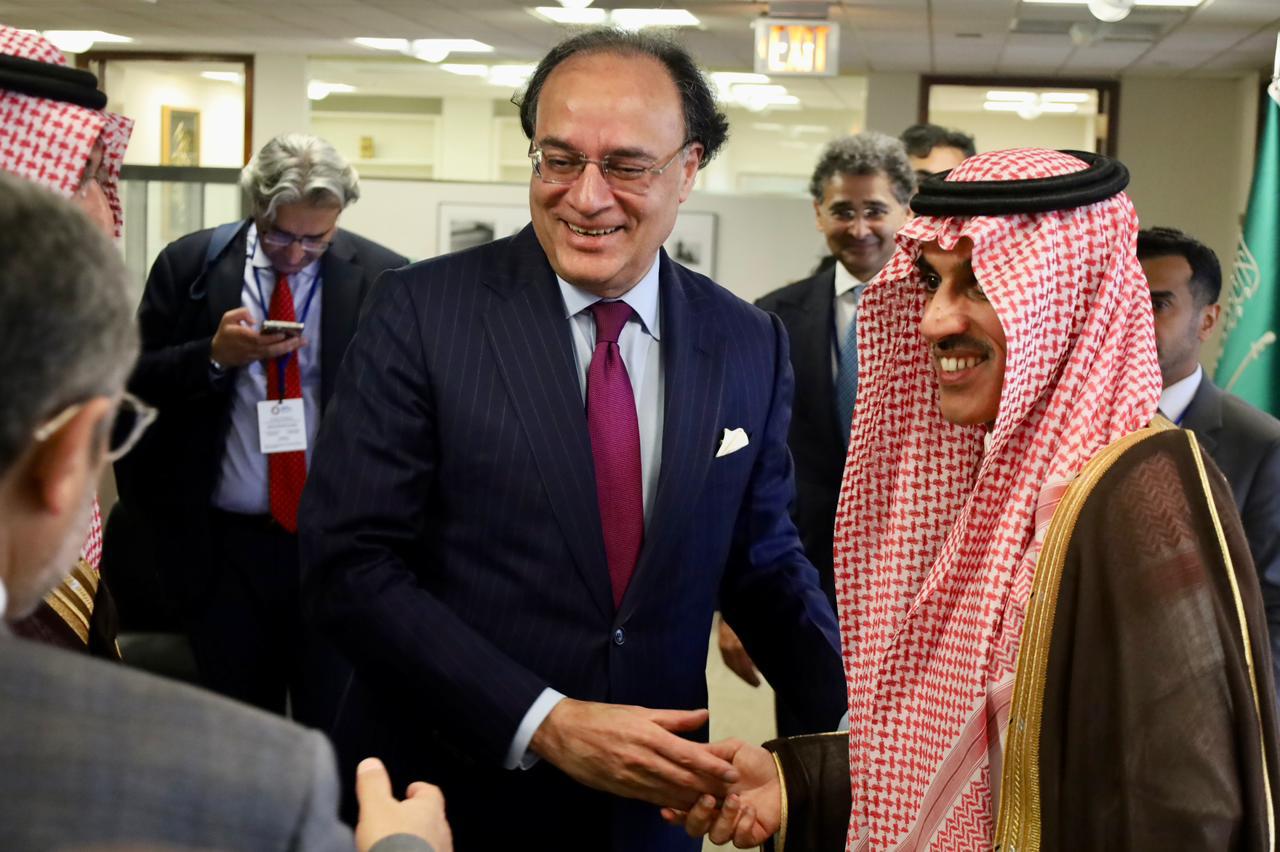
Alongside financial measures, Pakistan is actively strengthening its diplomatic and economic partnerships. High-level meetings with representatives from Saudi Arabia, the United States, and other key stakeholders highlight the importance of international cooperation in addressing current challenges. Discussions have focused on trade expansion, investment opportunities, and joint efforts to mitigate the economic impact of global crises.
The engagement with the Saudi Fund for Development underscores the longstanding relationship between the two countries, particularly in the area of development financing. Similarly, talks with U.S. officials have emphasized the need to enhance trade and investment flows, improve market access, and deepen commercial ties. These partnerships are essential for fostering long-term economic resilience and attracting foreign investment.
Digital Transformation and Technological Collaboration
Beyond immediate financial concerns, Pakistan is also focusing on long-term growth drivers, including digital transformation and technological innovation. Meetings with global companies such as Google and Mastercard highlight the government’s commitment to building a modern, inclusive digital economy.
Initiatives in artificial intelligence, digital payments, and financial inclusion are expected to play a transformative role in Pakistan’s economic future. The planned opening of a Google office and the local assembly of Chromebooks represent significant milestones in the country’s tech sector. Meanwhile, collaboration with Mastercard aims to strengthen digital payment systems, enhance cybersecurity, and promote financial inclusion across the population.
Strategic Energy Planning and Future Resilience
The recent surge in oil prices has also prompted Pakistan to reconsider its energy strategy. The government is exploring the establishment of strategic petroleum reserves to reduce vulnerability to global supply shocks. This approach would provide a buffer against future disruptions and ensure a more stable energy supply.
At the same time, there is a renewed emphasis on accelerating the transition to renewable energy sources. By reducing dependence on imported fossil fuels, Pakistan aims to improve energy security, lower costs, and support environmental sustainability. These efforts are aligned with broader global trends and reflect a forward-looking approach to economic planning.
Outlook and Conclusion
Pakistan’s current economic situation is shaped by a complex interplay of domestic reforms and external challenges. While the demand for repayment of the UAE loan and the impact of the Middle East conflict have created short-term pressures, the government’s proactive strategy offers a pathway to stability.
Finance Minister Engages Harvard Growth Lab on Pakistan Growth Outlook
Through diversified financing, strong international partnerships, and a focus on structural reforms, Pakistan is working to navigate this critical period. The emphasis on digital transformation and energy resilience further strengthens the country’s long-term prospects.
Ultimately, the coming months will be crucial in determining how effectively Pakistan can manage these challenges and sustain its economic recovery. With careful planning and continued support from international partners, there is cautious optimism that the country can maintain stability and build a more resilient economic future.
Comments are closed, but trackbacks and pingbacks are open.