

BS English
College ICG F6/2 Islamabad
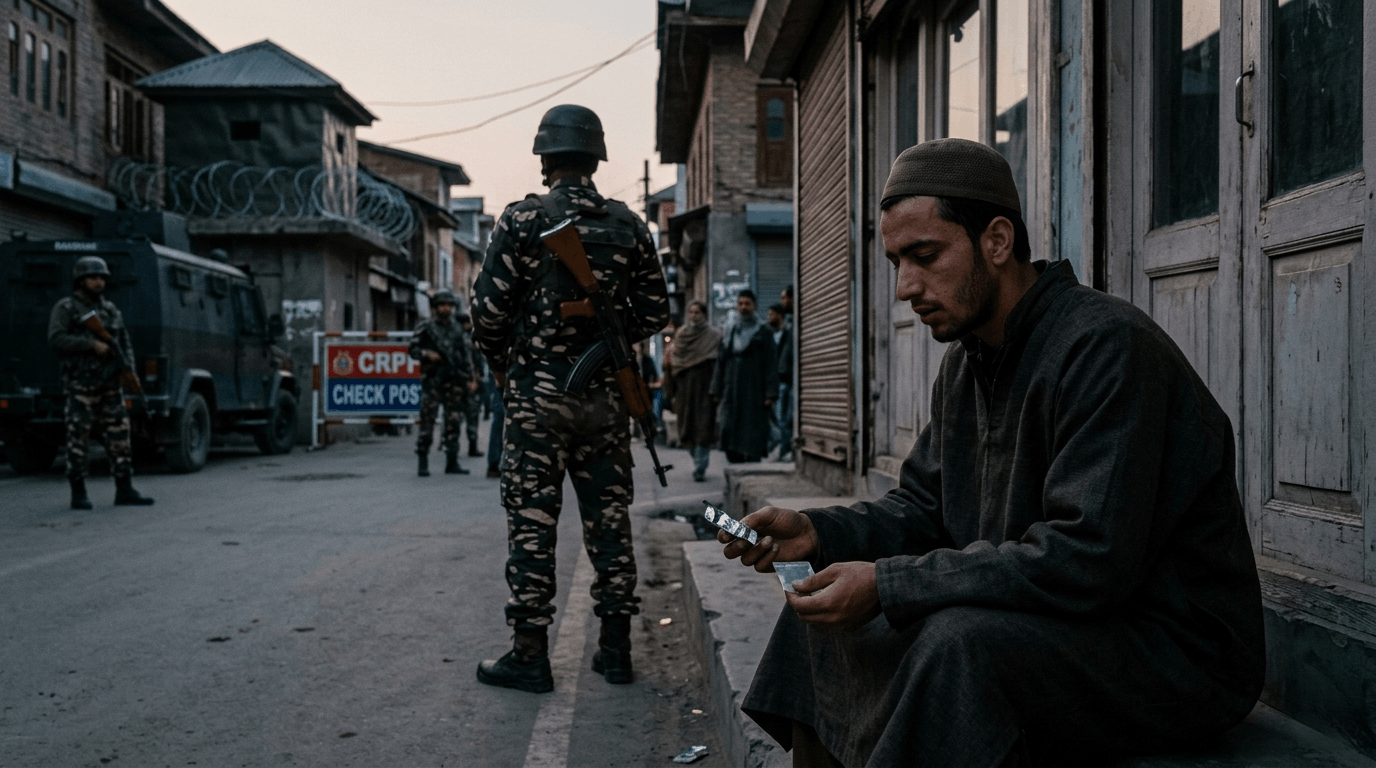
On August 5, 2019, millions of lives changed overnight when Jammu and Kashmir lost its special status. Imagine waking up one day to find that your flag, your local rules, and your state rights are completely gone. To highlight this reality and tell the world that Kashmiris still need their basic rights and freedom, Youm-e-Istehsal, which means the Day of Exploitation, is observed every year on August 5 by people in Pakistan and Kashmir to protest what India did on that day.
This dramatic shift happened through the removal of two major constitutional provisions. Removing Article 370 took away Kashmir’s special status, its own flag, and its authority to make its own rules, resulting in New Delhi taking full administrative control. At the same time, repealing Article 35A removed what was effectively a shield protecting the local population, as it had previously stopped outsiders from buying land or taking local jobs. With this shield taken away, Kashmir lost its power to rule itself, leaving locals worried that outsiders moving in will change their population dynamics.
The immediate human impact was severe, as streets were locked down, the internet was shut off for months, and political leaders were put in jail. Today, two contrasting views define the situation: India says these actions were taken to bring peace, business, and development, while Pakistan and Kashmiris maintain that this was illegal, broke UN promises, and took away basic rights. Ultimately, August 5 did not end the Kashmir problem but made things harder, serving as a reminder that peace needs justice—because, as Martin Luther King Jr. famously said, “Injustice anywhere is a threat to justice everywhere.”
Comments are closed, but trackbacks and pingbacks are open.