
US Israel Strikes Iran Nuclear Sites Tensions Rise
US Israel Strike Iranian Nuclear Facilities As Regional Tensions Escalate

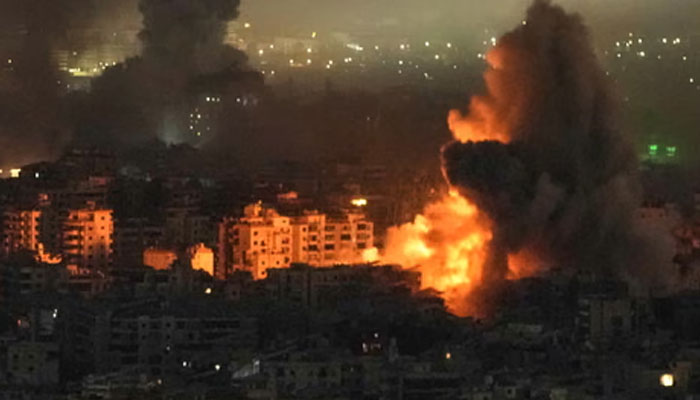
TEHRAN: (Web Desk) – Joint strikes by the United States and Israel targeted two Iranian nuclear facilities on Friday, further escalating tensions in the region. The attacks came as US Secretary of State Marco Rubio left a G7 meeting expressing confidence that Washington’s military campaign would achieve its objectives within weeks.
Iran responded with warnings of retaliation, particularly against industrial sites across the region. Markets reacted nervously, with oil and stock prices fluctuating amid fears linked to instability in the Strait of Hormuz—a vital global energy route.
Speaking after talks with Group of Seven foreign ministers in Paris, Rubio said there was broad agreement to oppose any attempt by Iran to impose tolls on vessels passing through the Strait of Hormuz. G7 nations also stressed the need to maintain free and safe navigation and called for an immediate halt to attacks on civilians and infrastructure.
Iran-linked group claims successful hack of FBI Director’s personal email
Iranian media reported that strikes hit the Khondab heavy water facility and a uranium processing plant in Ardakan. While Israel confirmed the attacks, Iranian authorities stated there was no radioactive leakage. Additional strikes reportedly damaged steel plants in Khuzestan and Mobarakeh, prompting further threats from Tehran.
Iran’s Foreign Minister Abbas Araghchi vowed a “heavy price” for what he described as Israeli aggression. Meanwhile, US President Donald Trump reiterated that Iran must agree to terms regarding the Strait of Hormuz or face further consequences, extending a deadline for compliance.
The Islamic Revolutionary Guard Corps warned it could target regional industrial infrastructure in retaliation and urged civilians to evacuate sensitive sites. Reports suggest Iran has responded to a US peace proposal with its own conditions, including demands for reparations and recognition of its sovereignty over Hormuz.
Analysts say all sides appear to believe they hold the upper hand, complicating prospects for diplomacy. Meanwhile, civilians in Iran and neighboring countries are increasingly bearing the psychological and humanitarian cost of the conflict, with displacement rising and infrastructure damage mounting.
The conflict has also spread beyond Iran, with Lebanon affected after Hezbollah launched rockets toward Israel. Airstrikes in Beirut have resulted in casualties and intensified fears of a broader regional war. The UNHCR has warned of a deepening humanitarian crisis, with over one million people displaced.
Despite mounting international concern, Israeli leadership has signaled continued military action, with Defence Minister Israel Katz pledging to expand operations, even as domestic voices caution that military capacity is being stretched.
Comments are closed, but trackbacks and pingbacks are open.