
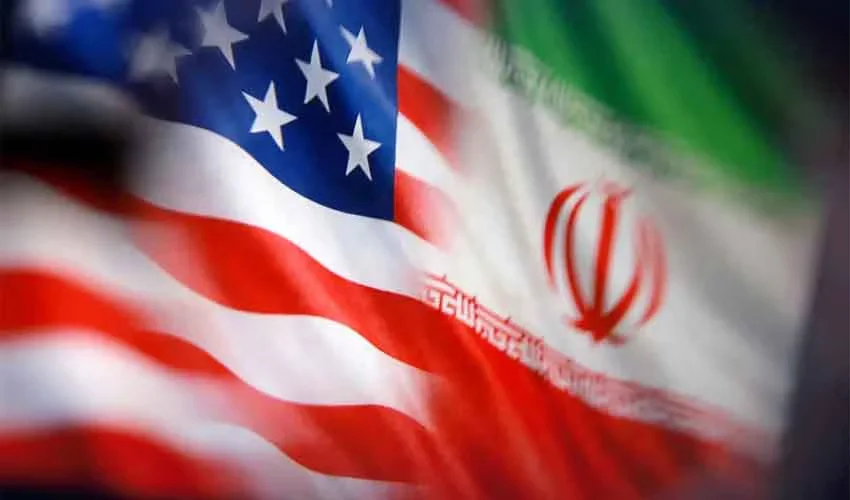
US-Iran Ceasefire Extension Reported, But Tehran Denies Talks
US Iran Ceasefire Extension Claim Emerges Ahead of August Deadline

TEHRAN: (News Desk) – The United States and Iran have reportedly agreed to extend a 60-day ceasefire, potentially giving both sides additional time to negotiate a broader agreement aimed at ending their conflict.
The reported development, attributed to Turkish media and Pakistani sources, comes as the deadline under the Islamabad Memorandum of Understanding approaches. However, the reported extension has not been officially confirmed by Washington or Tehran.
A senior Iranian official said on Wednesday that Iran and the United States were not discussing an extension. Tehran has also maintained that the original arrangement was undermined by violations soon after it took effect.
The Islamabad MoU was signed on June 17, 2026, and established a framework for ending military operations while allowing the two countries up to 60 days to negotiate a final agreement. The document provides that the negotiating period can be extended if both sides agree. Pakistan’s Foreign Ministry subsequently confirmed high-level talks involving Iran, the United States and Qatar as part of efforts to implement the understanding.
According to the reported text of the memorandum, both Washington and Tehran committed to ending military operations, respecting each other’s sovereignty and avoiding the threat or use of force. The proposed framework also called for negotiations on a permanent settlement covering security, sanctions and Iran’s nuclear programme.
The document further outlined steps concerning the US naval blockade and commercial shipping through the Persian Gulf and Strait of Hormuz. Iran was expected to facilitate the safe passage of commercial vessels, while discussions with Oman and other Gulf states were envisaged over future arrangements for the strategically important waterway.
Economic measures also formed a major part of the reported framework. These included a proposed reconstruction and economic development package for Iran, the easing and eventual termination of sanctions under an agreed timetable, and arrangements for making frozen Iranian funds available.
On the nuclear issue, the memorandum stated that Iran would not pursue nuclear weapons and that the two sides would negotiate the future of Iran’s enriched nuclear material and enrichment activities under an agreed framework, with the International Atomic Energy Agency playing a supervisory role.
The document also proposed maintaining the status quo while negotiations continued. Under its terms, the United States would refrain from imposing new sanctions or deploying additional forces in the region, while Iran would maintain the existing status of its nuclear programme.
The reported framework envisaged a final agreement being endorsed through a binding United Nations Security Council resolution.
Despite the reported Turkish-media claim of an extension, the situation remains uncertain. Reuters reported that an Iranian official denied that Tehran and Washington were discussing an extension, underscoring the gap between reports of diplomatic progress and the positions publicly expressed by the two sides.
The Islamabad MoU itself has been described as a framework for negotiations rather than a comprehensive final peace treaty. The published draft contains 14 provisions covering military de-escalation, maritime access, sanctions, economic measures and the nuclear issue.
Comments are closed, but trackbacks and pingbacks are open.