

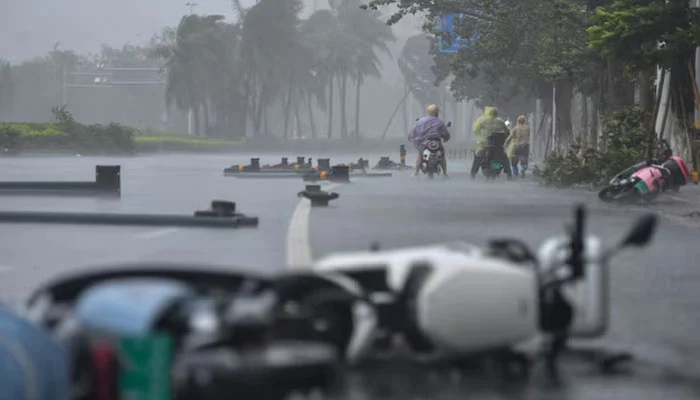
Swiss Re Natural Catastrophe Report: Economic Losses From Natural Disasters Fall to $100bn in First Half of 2026
Global losses fall to $100 billion in early 2026, but experts warn the year is far from over

The latest Swiss Re natural catastrophe report shows that global losses from natural disasters hit close to $100 billion in the first six months of this year. This marks a big drop compared to the same period last year.
Swiss Re is a major reinsurance company. It shared this data on Tuesday. The firm often acts as an insurer for other insurance companies, so its reports carry a lot of weight in the industry.
Last year, losses during the same six-month period reached $152 billion. That means this year’s figure is much lower. It also sits about 10% below the average seen over the past decade.
Still, the drop in losses does not mean the danger has passed. The United States faced strong storms this year. Venezuela was also hit by deadly earthquakes in June. These events caused real damage and loss of life, even if the total cost was lower than last year.
Balz Grollimund, who leads Catastrophe Perils at Swiss Re, shared a clear warning. He said a quieter first half does not mean risks are gone. He added that a single major hurricane, earthquake, or wildfire could change everything very quickly.
That warning matters because the second half of the year usually brings higher losses. Hurricane season in the North Atlantic tends to push costs up during these months.
Europe is already feeling early pressure this year. Intense heat since June has sparked wildfires across France and Spain. These fires have destroyed homes, businesses, and infrastructure much earlier than usual.

Swiss Re noted that wildfire losses in Europe are still small compared to other disaster types. However, the firm called wildfire the fastest-growing weather risk in the world today.
Since 1970, insured wildfire losses in Europe have grown by 8% to 11% each year. This growth holds true even after adjusting for inflation and other factors.
Looking ahead, Swiss Re pointed to El Nino as another factor to watch. This weather pattern began in June and is expected to peak later this year.
El Nino can affect tropical storm activity in parts of the Pacific. It may also shift flood, wildfire, and other weather risks in different regions around the world.
Swiss Re also stressed that long-term causes of rising disaster costs have not changed. More people and property now sit in high-risk areas. Rebuilding costs also continue to climb each year.
This combination means future disasters, even smaller ones, could cost more than in the past. The Swiss Re natural catastrophe report serves as a timely reminder that calm periods can shift fast.
As hurricane season approaches and heat continues across Europe, insurers and communities alike are watching closely. The next six months will show whether this year stays below average, or catches up with past trends.
Comments are closed, but trackbacks and pingbacks are open.