
Super El Niño Raises Fresh Weather Risks For Pakistan
Global Weather Patterns Shift As Super El Niño Intensifies Further

ISLAMABAD: (News Desk) – The El Niño weather phenomenon developing in the Pacific Ocean has intensified into what has been described as a “Super El Niño”, with the system expected to influence weather patterns across several parts of the world.
UN Secretary-General António Guterres said El Niño, which generally occurs every two to seven years, is associated with unusually warm sea-surface temperatures in the central and eastern Pacific Ocean.
The current episode began in June, when sea-surface temperatures rose by more than 2 degrees Celsius. Such weather events can continue for around 18 months, while current projections suggest the phenomenon could reach its strongest point in early 2027.
Guterres said the latest intensification has raised concerns that the event could become one of the strongest Super El Niño episodes on record.
Severe weather risks across regions
According to US meteorological authorities, the intensified El Niño could bring exceptionally heavy rainfall to parts of East Africa and South America while increasing the risk of severe drought in South Asia, Southeast Asia, Australia and Southern Africa.
The phenomenon can produce highly uneven weather conditions, with some regions experiencing excessive rainfall and flooding while others face prolonged dry spells.
Super El Niño poses concerns for Pakistan
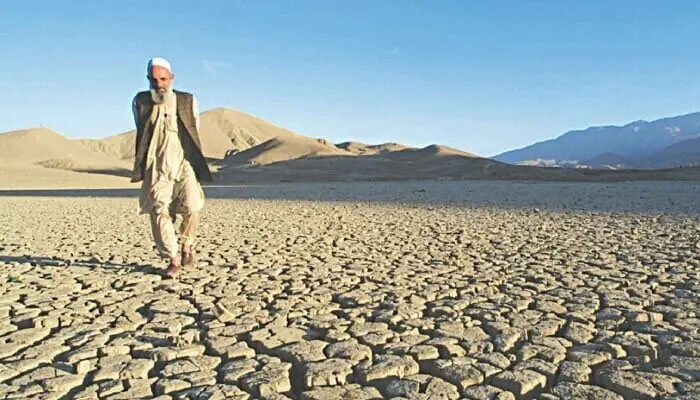
For Pakistan and other South Asian countries, El Niño is generally associated with drier conditions. The phenomenon has also been linked to weaker-than-expected monsoon rainfall in parts of India and Pakistan this year.
Data from the India Meteorological Department showed that rainfall between June 1 and September 9 was 15 percent below the country’s average.
Weather experts have warned that changing rainfall patterns could create additional pressure on agriculture, particularly crops that depend heavily on seasonal rains.
WFP warns of rising hunger
The World Food Programme has warned that the impact of the El Niño event could worsen global food insecurity. It estimates that another 49 million people could be pushed into hunger by the time the phenomenon ends in 2027, potentially increasing the number of people facing hunger across 45 countries from 225 million to 274 million.
The UN Food and Agriculture Organization has identified rain-dependent crops, including maize and rice, among those particularly vulnerable to El Niño-related drought conditions.
The potential threat extends from Southern Africa to South and Southeast Asia, where prolonged dry conditions could affect agricultural production and food supplies.
Global temperatures could remain elevated
El Niño also contributes to higher global temperatures. The World Meteorological Organization has forecast above-normal temperatures across most parts of the world between September and November.
There is also an 86 percent probability that at least one year between now and 2030 will exceed 2024 as the hottest year on record. Meteorologists have also warned that 2027 could potentially become an exceptionally hot year.
However, experts stress that these are projections and that the effects of El Niño vary from one event to another. No two El Niño episodes produce exactly the same weather patterns or impacts.
Comments are closed, but trackbacks and pingbacks are open.