

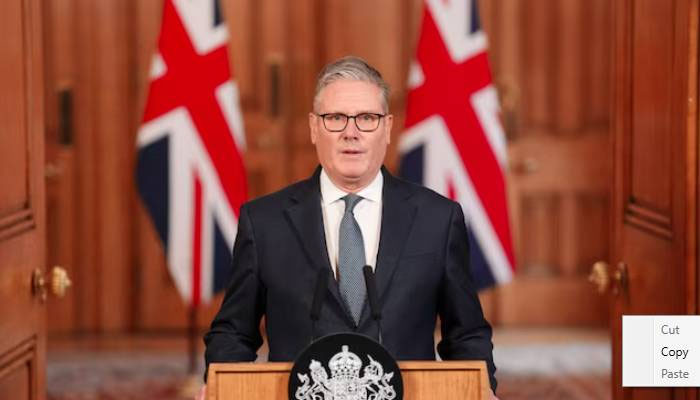
Starmer admits mistake over Mandelson envoy appointment row
UK PM admits error in controversial envoy appointment

LONDON: (Web Desk) – Keir Starmer has denied misleading Parliament regarding the appointment of Peter Mandelson as the UK’s envoy to Washington, while acknowledging that the decision itself was a mistake. He claimed that key information about Mandelson’s failed security clearance was deliberately withheld from him by officials.
Facing growing political pressure, Starmer admitted that he should not have selected Mandelson for the high-profile diplomatic role. The controversy has intensified scrutiny on the Prime Minister, especially given Mandelson’s past links to Jeffrey Epstein and his history of resignations from previous government positions.
Speaking in Parliament, Starmer said he had not been informed about the failed vetting process at the time of the appointment. He argued that had he known, he would have made a different decision, adding that the omission of such critical information appeared to be intentional rather than accidental.
The issue has triggered a broader political storm, with opposition parties accusing Starmer of poor judgment and demanding accountability. During a heated parliamentary session, Zarah Sultana was removed after openly accusing the Prime Minister of dishonesty and refusing to withdraw her remarks.
In response to the controversy, Starmer dismissed senior civil servant Olly Robins and announced a review of the government’s security vetting procedures. However, critics, including former officials, have argued that Robins is being unfairly blamed for a wider institutional failure.
Deepika Padukone Ranveer Singh Expect Second Child
Opposition leaders, including Kemi Badenoch and Ed Davey, have intensified calls for Starmer to resign, describing the situation as a serious lapse in leadership. They have also questioned the lack of transparency surrounding Mandelson’s failed security checks.
Despite the criticism, some senior ministers continue to support Starmer, suggesting that his leadership remains important amid global instability, including tensions in the Middle East. Meanwhile, public opinion appears divided, with polls indicating declining popularity for the Prime Minister.
The controversy comes ahead of upcoming local elections, adding further pressure on Starmer and the Labour Party as they prepare to face voters in a challenging political climate.
Comments are closed, but trackbacks and pingbacks are open.