
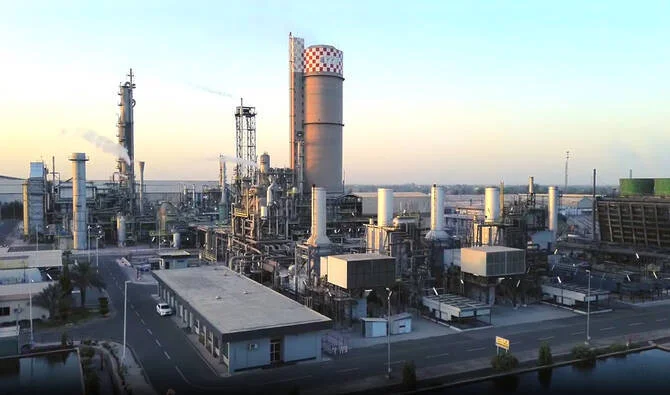
SNGPL Suspends RLNG Supply to Urea Plant
Agritech Fatima Fertilizer Gas Suspended Amid Pakistan's LNG Crisis

PAKISTAN – (Staff Reporter/Web Desk) – Pakistan’s fertilizer sector has taken a major hit. Sui Northern Gas Pipelines Limited, known as SNGPL, has cut off RLNG supply to a major urea plant. The move comes as Agritech Fatima Fertilizer gas suspended news spreads across the country’s agriculture circles.
Two fertilizer plants have now shut their doors. An energy ministry official confirmed the closures on Tuesday but did not name the companies at first. Later, farmer group leaders revealed the two firms as Agritech Limited and Fatima Fertilizer Company Limited.
This gas cut is not random. It links back to rising tension between the US and Iran. Since early this month, both nations have traded missile and air strikes. This has created fear around the Strait of Hormuz, a key route for global oil and gas shipments.
Pakistan gets a large share of its LNG from Qatar. But with shipping routes at risk, the country has turned to costly spot market cargoes instead. This shift has made gas supply tighter for local industries, including fertilizer makers.
Agritech Limited informed the Pakistan Stock Exchange about the issue earlier this week. The company’s plant can produce over four hundred thousand tons of urea each year. Gas supply to this unit stopped since July 18.
Farmers are worried. Khalid Mehmood Khokhar, who leads the Pakistan Kissan Ittehad, said both plants have closed down. He fears this will hurt crop output badly, starting with rice and later hitting the wheat season around October and November.
Fertilizer plays a big role in farming success. It makes up close to fifteen percent of crop production costs. It also boosts yields by nearly thirty to fifty percent, based on official data shared by the government.
Market experts also share this worry. Ahsan Mehanti from Arif Habib Commodities said a longer conflict could push fertilizer prices higher. This, he warned, may lead to inflation and shortages across farming communities.
Urea prices have already started climbing. A fifty kilogram bag now sells for around four thousand five hundred rupees. Black market rates could push this even higher if the shortage continues, farmer leaders caution.
Khokhar also raised concerns about government priorities. He believes power plants are getting more gas attention than food security needs. Independent power producers use gas to generate about seventeen percent of Pakistan’s electricity.
Officials say they are trying to balance both needs. The government has arranged some cargoes from spot markets and some through local gas sources to support power generation.
Last week, Pakistan LNG Limited asked international suppliers for bids to secure more gas. TotalEnergies Gas and Power offered the lowest rate for a late July delivery window.
For now, farmers and industry leaders are watching closely. If the Middle East tension continues, Pakistan’s fertilizer supply and food prices could face even bigger challenges in the months ahead.
Comments are closed, but trackbacks and pingbacks are open.