
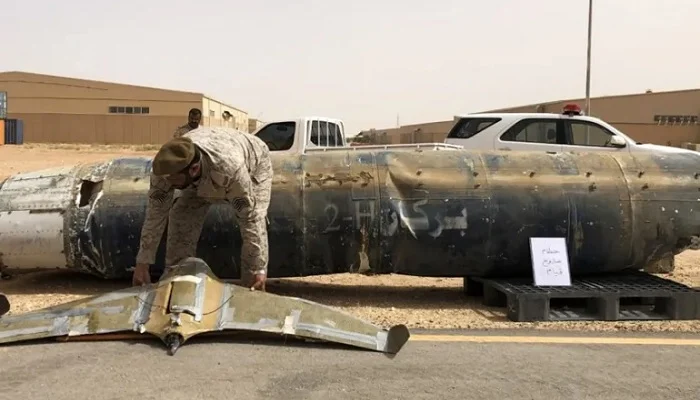
Saudi Arabia Intercepts Drone Near Makkah’s Sacred Airspace
Second suspected Houthi attempt to target Islam's holiest city in years

Makkah – (Special Correspondent/Web Desk) – Saudi Arabia intercepts drone near Makkah, stopping the aircraft before it could reach the airspace above Islam’s holiest city, coalition officials said this week.
The drone was shot down south of Makkah on Tuesday evening. A spokesperson for the Saudi-led military coalition confirmed the strike happened before the drone crossed into restricted airspace over the city.
Officials called this the second known attempt by Houthi fighters to target Makkah. The first was a ballistic missile launch back in 2017.
Makkah holds deep meaning for Muslims worldwide. It is home to the Grand Mosque and the Kaaba, sites visited by millions each year. Coalition spokesperson Turki al-Malki said protecting this city is a firm red line for Saudi forces.
Houthi leaders have pushed back against the claim. A member of the group’s political office called the accusation false, saying his side never aimed at Makkah.
This drone incident comes during a rough week for Saudi Arabia. Iran-backed Houthi fighters have carried out several strikes inside the kingdom recently. One attack hit an air base on Monday, leaving over a dozen civilians hurt. Houthi officials said the strike was payback for earlier airstrikes on Yemen.
The wider region has been shaken by months of conflict between the US and Iran. This fighting has slowed ship traffic through the Strait of Hormuz, one of the busiest oil routes on earth.

At the same time, Houthi forces have taken control of parts of Yemen’s Red Sea coastline. This area sits near the Bab el-Mandeb strait, another key passage for global shipping. Control of this route puts pressure on Saudi oil exports that were already being rerouted because of Hormuz disruptions.
Saudi Arabia also blames a separate Iran-linked group based in Iraq for a different attack last week. That strike damaged the East-West Pipeline, a vital route carrying oil from Saudi oil fields to the Red Sea.
This pipeline stretches roughly 1,200 kilometers and has served as the kingdom’s main export line while Hormuz traffic remains limited. Traders warn that if the pipeline stays shut for long, it could remove close to four percent of the world’s oil supply.
Saudi officials have not given a clear timeline for when the pipeline will reopen. However, a US energy official said on Tuesday that oil flow should resume within a matter of days.
Saudi Arabia has led military efforts against Houthi forces since 2015. A ceasefire had kept things relatively calm for a few years, but fighting picked up again this month after Houthi fighters pushed back government-aligned troops in Yemen.
Amid the rising tension, Saudi Arabia’s Crown Prince reportedly reached out to the US president last week to ask for stronger military backing. So far, support from Washington has stayed limited to intelligence sharing rather than direct military help.
As attacks continue on multiple fronts, energy markets and regional security remain on edge, with all eyes on whether the ceasefire can be restored before further escalation.
[…] His office released a statement confirming Pakistan’s continued and unwavering backing of Saudi Arabia. The Prime Minister also spoke out strongly against a recent drone strike that targeted the holy […]