
Pakistani Civil Servants barred from posting vlogs, TikToks without approval
The updated code also tightens rules on gifts and lifestyle conduct

ISLAMABAD (Web Desk) – Pakistani government introduced comprehensive overhaul of its civil service regulations, replacing the Civil Servants (Conduct) Rules 1964 with a new framework titled the Civil Servants (Conduct) Rules 2026. The updated code strengthens financial disclosure requirements, ethical standards, and digital conduct rules for government officers in Grade 17 and above.
Additional provisions include restrictions on gifts, scrutiny of lifestyle spending, tighter rules on private-sector employment, and mandatory disclosure of criminal cases. The government has extended the framework to autonomous bodies, regulators, and state-owned enterprises, with violations treated as misconduct under disciplinary rules.
Under new regime, senior civil servants will be required to submit annual asset declarations electronically by October 30. Unlike the previous system where such records remained confidential, the declarations will now be made public after redaction of sensitive personal details. The Federal Board of Revenue will conduct risk-based verification of all submissions, and officials may be asked to explain discrepancies, omissions, or unexplained changes in their financial position.
For first time, officers must also disclose virtual assets, including cryptocurrencies, alongside traditional holdings such as bank accounts, shares, securities, insurance policies, and jewellery valued above Rs5 million.
The rules introduce a formal conflict-of-interest framework requiring civil servants to declare any personal or family interests that may influence official decision-making. Officers will also be required to recuse themselves from procurement, recruitment, and other administrative processes where such conflicts arise.
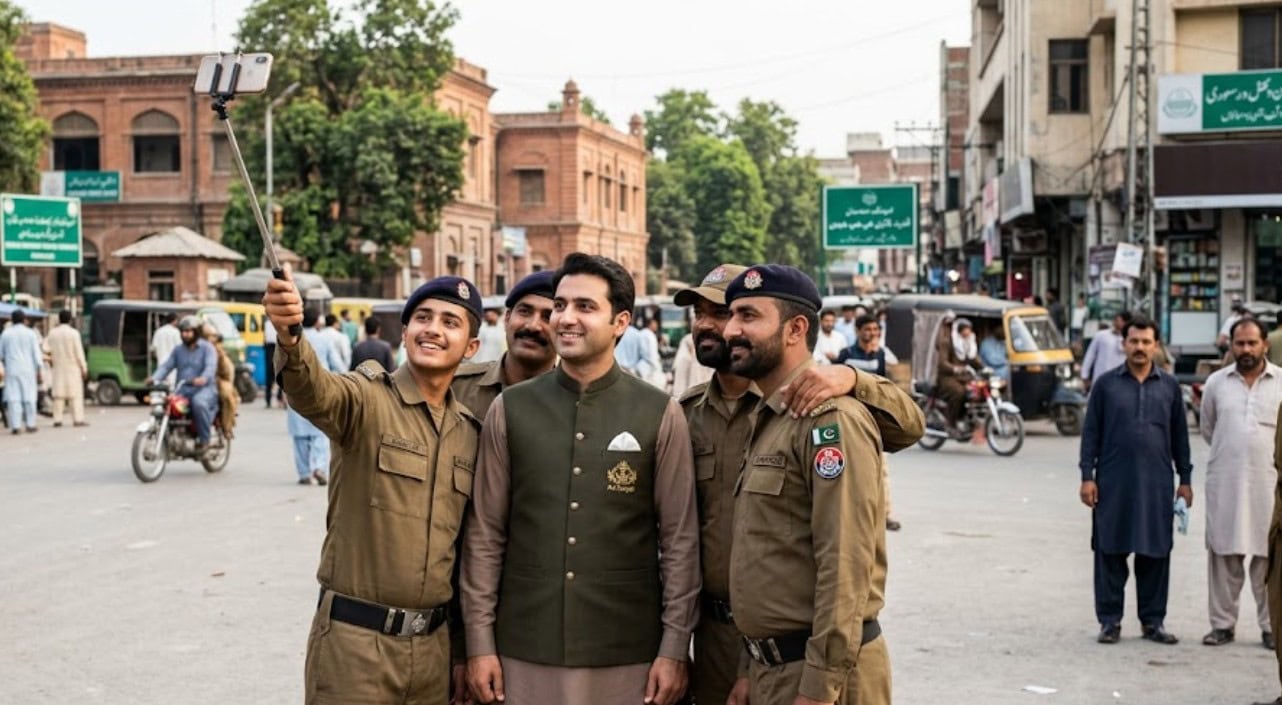
New restrictions have also been placed on digital and social media activity. Civil servants may not, without prior approval, operate or manage websites, blogs, podcasts, YouTube channels, or similar platforms linked to their official roles. They are also prohibited from using personal social media accounts to showcase official work, government facilities, or entitlements for personal publicity or image-building. Cadre administrators have been empowered to require officers to disclose all social media accounts registered in their name.
The updated code also tightens rules on gifts and lifestyle conduct. Accepting gifts from individuals, companies, foreign governments, or diplomats is prohibited except where permitted under the Toshakhana (Management and Regulation) Act 2024. Officers are also barred from offering gifts to senior officials in circumstances that may suggest an attempt to gain favour. In addition, civil servants are expected to maintain lifestyles consistent with declared income, and extravagant spending on social events, including weddings, may be subject to scrutiny.
Regulations on outside employment have also been strengthened. Officers taking private-sector work during sanctioned extraordinary leave must obtain prior approval. Upon return to government service, they will be barred for three years from handling matters involving former employers. Approved teaching, consultancy, or professional work will be allowed, but a portion of earnings must be deposited into the national treasury.
Other provisions require civil servants to immediately report any arrest or criminal case to their cadre administrator, discourage frivolous complaints against colleagues, and prohibit unauthorized engagement with foreign missions or donor agencies for personal benefit, including overseas postings or training opportunities.
The federal government has also empowered itself to extend the application of these rules to autonomous bodies, regulatory authorities, universities, and state-owned enterprises across the country.
Govt Considers AI Based Tax Reforms For Budget
Any violation of the new code will be treated as misconduct under the Civil Servants (Efficiency and Discipline) Rules 2020, making officials liable to formal disciplinary proceedings.
Comments are closed, but trackbacks and pingbacks are open.