
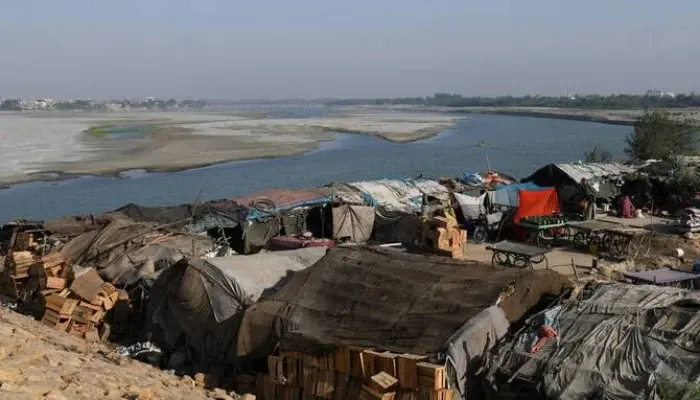
Pakistan Poverty Rate 2024-25 Rises as Education Spending Drops
Pakistan Poverty Rate 2024-25 Reveals a Growing Crisis in Income and Education

Pakistan – (Web Desk) – Millions of Pakistani families are struggling harder than ever. The Pakistan poverty rate 2024-25 has risen sharply to 28.9%, according to the Pakistan Economic Survey 2025-26. This is a painful step back from the 21.9% low recorded in 2018-19.
The cost of basic living has more than doubled. The monthly poverty line jumped from Rs 3,757 to Rs 8,484 per adult, showing just how badly inflation has hit ordinary households across the country.
Rural families are feeling the worst of it. Rural poverty climbed from 28.2% to 36.2%, while urban poverty rose from 11% to 17.4%. Most of Pakistan’s poor live in villages and small towns, where jobs and services are already hard to find.
Every province saw conditions worsen. Balochistan remains the poorest, with 47% of its people living in poverty. Khyber Pakhtunkhwa sits at 35.3%, Sindh at 32.6%, and Punjab at 23.3%. No corner of the country has been spared.
The gap between rich and poor is also growing wider. The national Gini coefficient, which measures income inequality, rose from 28.4 to 32.7. This means wealth is concentrating in fewer hands while more families fall behind.
Education funding took a brutal hit at the same time. Pakistan now spends just 0.8% of GDP on education, down from 1.5% in 2023. Punjab alone cut its education budget by 64%, dropping from Rs 492 billion to just Rs 178 billion in two years.
School facilities remain in a sorry state. Only 59% of primary schools have electricity nationwide. In Balochistan, just 21% of schools have power, and only 0.3% have functioning toilets. These are not just statistics. These are children learning in impossible conditions.
The literacy rate stands at 63%, with female literacy lagging behind at 54%. Nearly one in three children is still not in school, despite some recent improvement.
External pressures are making things worse. Around 55% of Pakistan’s remittances come from the Middle East. Ongoing conflict in that region threatens the income of millions of families who depend on money sent home by relatives working abroad. Experts warn another economic shock could push nearly 9 million more people into poverty across the region.
The survey itself admits that “sustained reforms” and stronger public investment are urgently needed. But with education spending at a historic low, the path forward remains deeply uncertain.
Comments are closed, but trackbacks and pingbacks are open.