

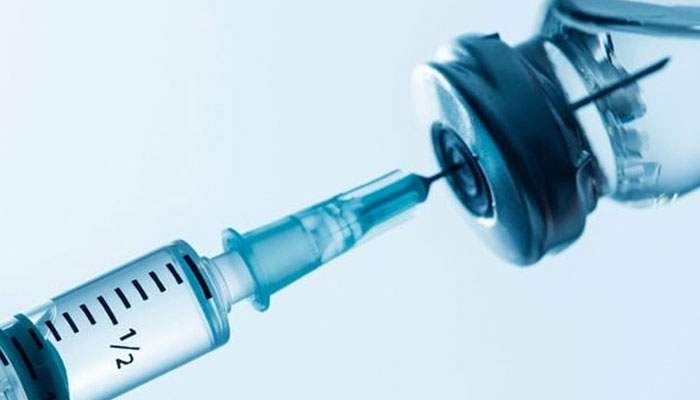
New TB Vaccines Could Save 7.3 Million Lives by 2050
Gavi Warns Supply Key to Saving Millions With New TB Vaccines

ISLAMABAD: (News Desk) – New tuberculosis (TB) vaccines expected to become available from 2029 could prevent up to 7.3 million deaths over the following two decades, according to an analysis by the Gavi vaccine alliance.
However, Gavi warned that the potential of the new vaccines will depend on ensuring sufficient, predictable and affordable supplies for countries carrying the highest burden of tuberculosis.
Sania Nishtar, head of Gavi, described the vaccines currently in development as having the potential to become the “next blockbuster immunisation tool”. She stressed that their impact would depend on making doses widely accessible to the countries that need them most.
Tuberculosis remains the world’s leading infectious killer, claiming an estimated 1.23 million lives in 2024, according to the latest available figures from the World Health Organization.
At present, the only licensed vaccine against TB is the Bacille Calmette-Guerin (BCG) vaccine, which has been in use for more than a century. Gavi noted that while BCG provides important protection to infants and young children against severe forms of tuberculosis, its effectiveness declines over time.
Several new vaccine candidates are being developed to help protect adolescents and adults, potentially addressing a major gap in TB prevention.

Gavi’s latest analysis found that if the first promising candidates receive regulatory approval by the end of the decade, the new vaccines could avert up to 7.3 million deaths between 2030 and 2050.
The vaccines could also generate significant economic gains, with the analysis estimating that they could unlock up to $135 billion in economic benefits across low- and middle-income countries by 2050.
Despite the potential benefits, Gavi identified several challenges that could delay the rollout of the vaccines, including inadequate global and domestic financing. Limited funding could reduce vaccine uptake in countries with high TB burdens.
Uncertainty over future demand could also discourage manufacturers from investing in production capacity for late-stage vaccine candidates, potentially creating supply shortages, Gavi warned.
The alliance said it was working with partners to secure sufficient and affordable supplies as soon as the vaccines receive regulatory approval. It also plans to support their integration into routine immunisation programmes and encourage a competitive and geographically diverse pipeline of new TB vaccine candidates.
“In order to help countries secure doses in the volumes they need, we are beginning to work with partners now to lay the groundwork for timely access when these vaccines become available,” Nishtar said.
Comments are closed, but trackbacks and pingbacks are open.