
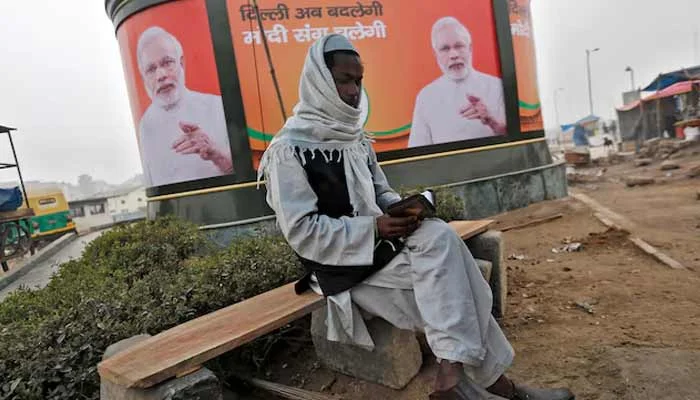
Modi Govt Widens Rollout of BJP Uniform Civil Code States
Home Minister says the common civil law will spread across every NDA-ruled state within the next three years, a plan already worrying many Muslim families.

BJP – (Special Correspondent/Web Desk) – The number of BJP Uniform Civil Code states is set to grow fast, according to Home Minister Amit Shah. He said the party wants the law rolled out in all 21 states run by the BJP-led alliance before the next general election in 2029.
Right now, only a handful of states have brought in the code. Shah says more will follow soon, and he sounds sure this plan will move quickly over the coming years.
India already has one criminal law for everyone. But when it comes to marriage, divorce, and property, different communities still follow their own customs. Hindus, Muslims, Christians, and other groups each have separate rules shaped by faith and tradition.
The Uniform Civil Code wants to change that. It would replace all these separate systems with one common law for every citizen, no matter their religion.
This idea has been part of the BJP’s plan for many years. Prime Minister Narendra Modi and his party have pushed it strongly, especially after winning a third term in office back in 2024.
Not everyone welcomes the change, though. Many Muslim citizens fear the new code could weaken their religious rights. They worry that a single law might ignore centuries of personal and cultural tradition tied to their faith.

#WATCH | Mumbai: Union Home Minister Amit Shah says, “We introduced the Uniform Civil Code (UCC) in several states. I am confident that we will implement the UCC in all 21 states governed by the BJP-led NDA before 2029…Operations such as the surgical strikes, air strikes, and… pic.twitter.com/n6J6ZKaOkh
— ANI (@ANI) September 13, 2026
Supporters see things differently. They argue the code will actually help women, especially Muslim women. It aims to end polygamy, give sons and daughters equal rights to family property, and move all divorce cases into civil courts instead of religious ones.
India is home to about 220 million Muslims. That makes it the third largest Muslim population anywhere in the world. So any law touching religious practice naturally draws close attention and strong opinions.
With elections coming in 2029, this issue is likely to stay in the headlines. The BJP sees the code as a step toward equal treatment under the law. Critics see it as a challenge to religious freedom and identity.
For now, the debate continues. Some states have already made the move, and more are expected to follow Shah’s roadmap in the years ahead. How Muslim communities respond, and how the courts react, will shape where this policy goes next.
Comments are closed, but trackbacks and pingbacks are open.