
Islamabad Launches Pakistan Iran Trade Corridor in Balochistan 2026, Opening New Transit Route for Third-Country Goods
Pakistan Iran Trade Corridor Balochistan 2026: Six New Transit Routes Now Open for Regional Goods Movement

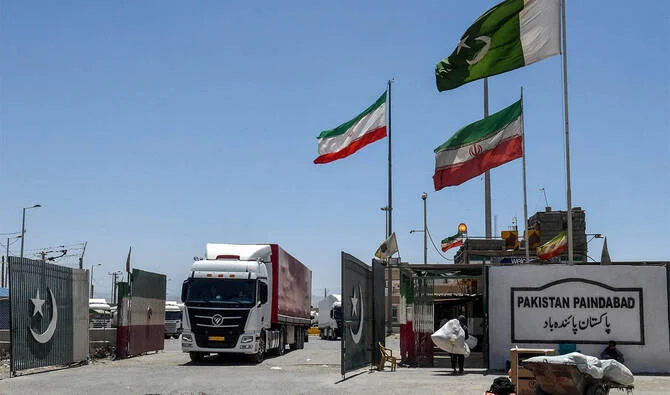
Pakistan launched the Pakistan Iran trade corridor in Balochistan 2026 through the Transit of Goods through Territory of Pakistan Order 2026, notified by the Ministry of Commerce. This order builds on a 2008 bilateral road transport agreement, finally putting it into practice. The goal is simple — allow goods from third countries to pass through Pakistan and reach Iran legally, safely, and efficiently.
Which Routes Are Approved Under This Order?
Six official transit routes run through Balochistan, connecting Pakistan’s ports to Iran’s border:
Gwadar → GabdKarachi / Port Qasim → Lyari → Ormara → Pasni → GabdKarachi / Port Qasim → Khuzdar → Dalbandin → TaftanGwadar → Turbat → Hoshab → Panjgur → Nag → Besima → Khuzdar → Quetta / Lakpass → Dalbandin → Nokundi → TaftanGwadar → Lyari → Khuzdar → Quetta / Lakpass → Dalbandin → Nokundi → TaftanKarachi / Port Qasim → Gwadar → Gabd

What Are the Key Terms Every Trader Should Know?
The order defines transit as the movement of goods through Pakistan where the journey begins and ends outside its borders. Customs Security is a financial deposit equal to Pakistan’s import duties, held during transit. Cross Stuffing allows shifting cargo between containers under customs rules. These terms are central to how the Pakistan Iran trade corridor in Balochistan 2026 operates in practice.
The Federal Board of Revenue (FBR) oversees all cargo movement. Every shipment must comply with the Customs Act 1969, follow designated routes, carry proper documents, and submit a customs security deposit before entering Pakistan.
What Does This Mean for Pakistan’s Regional Trade?
The Pakistan Iran trade corridor in Balochistan 2026 positions Pakistan as a key transit hub in South Asia. With Gwadar already a CPEC deep-sea port, this corridor makes it a natural gateway for goods moving from China, Central Asia, or the Gulf toward Iran — directly benefiting Balochistan’s transport and logistics economy.
Comments are closed, but trackbacks and pingbacks are open.