
Iran US Talks Qatar Pakistan: No Deal Yet, Says Araqchi
Iran US talks Qatar Pakistan remain unresolved as Tehran denies any move toward direct negotiations with Washington

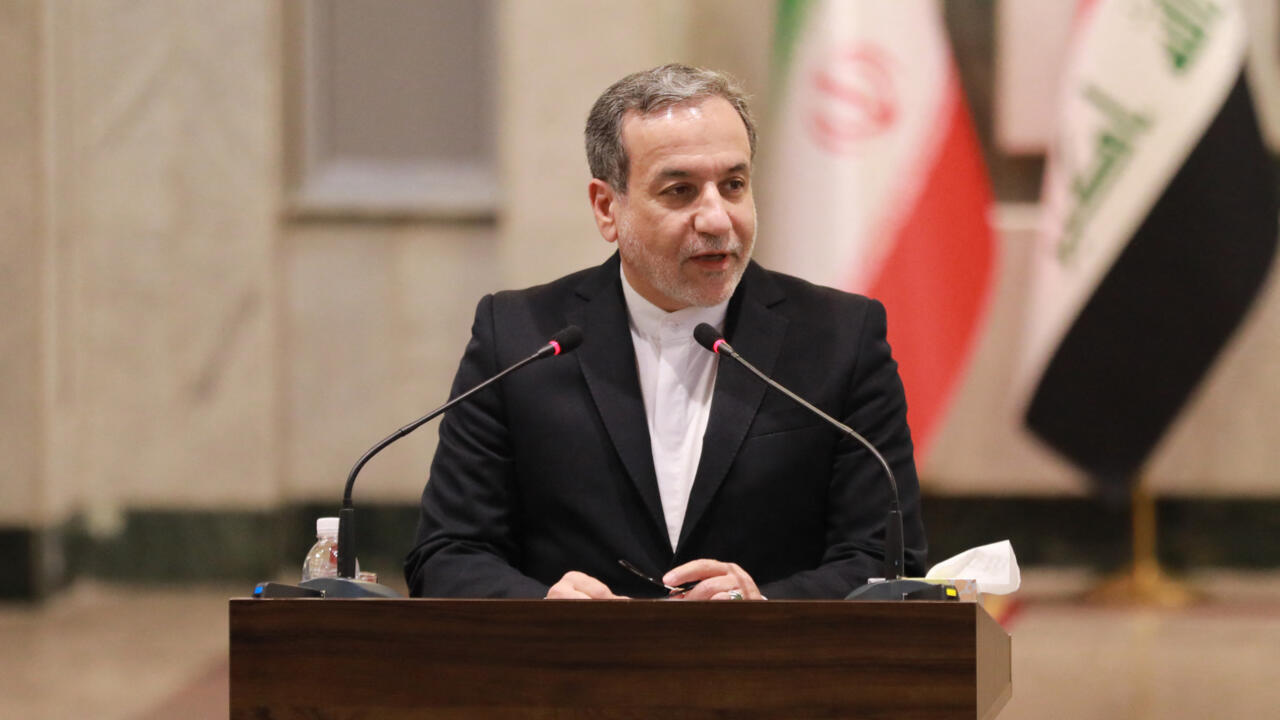
IRAN – (Special Correspondent/Web Desk) – Iran US talks Qatar Pakistan efforts are still far from becoming real negotiations, according to Iran’s top diplomat. Foreign Minister Abbas Araqchi made this clear in a fresh interview published on Saturday, saying Tehran has not made any decision to restart talks with the United States.
Araqchi spoke to the Iranian outlet Shahrara News about the current state of contacts between the two rival nations. He explained that messages passing through Qatar and Pakistan should not be mistaken for a return to formal negotiations.
The Iranian foreign minister was direct about the current situation. He confirmed that both Qatar and Pakistan are acting as go-betweens, carrying messages back and forth between Tehran and Washington.
But carrying messages is not the same as sitting down at a negotiating table. Araqchi wanted to make that distinction very clear to the public and to international observers watching the situation closely.
This comes at a sensitive time. Tensions between Iran and the US have remained high since earlier conflict, and any hint of renewed dialogue tends to draw global attention fast.
Pakistan’s Growing Role as Mediator
Pakistan has quietly built a reputation as a trusted go-between in this standoff. Along with Qatar, Islamabad has been passing messages between Tehran and Washington for weeks now.
This mediator role fits into a bigger pattern. Pakistan has worked closely with Gulf nations and Iran on regional security matters, and this latest involvement shows its diplomatic influence is growing.
For readers in Pakistan, this detail matters. It places the country at the center of one of the most closely watched standoffs in the region right now.
Blame Placed on Washington
Araqchi did not stop at simply describing the current messaging process. He also placed blame on the United States for the return of hostilities following an earlier understanding signed in Pakistan back in June.
According to him, that agreement broke down because of actions taken by Washington. He said a completely new approach is now needed to move past the current standoff.
This kind of statement signals that Iran is not simply waiting quietly. Tehran appears to want the world to understand its version of how things fell apart.
Oman Talks Focus on Hormuz Shipping
While the Qatar and Pakistan channel handles political messaging, Iran is running a separate and more technical conversation with Oman. This track is entirely focused on shipping routes through the Strait of Hormuz.
Araqchi explained that the old shipping routes through the strait are no longer usable in the current situation. A new route needs to be worked out before normal shipping traffic can safely return.
The Strait of Hormuz is one of the most important waterways in the world for oil shipments. Any disruption there tends to ripple through global energy markets almost immediately.
Conditions the US Must Meet
According to Araqchi, the United States cannot simply expect shipping to resume as if nothing happened. Washington will need to meet certain conditions before vessels can safely pass through the waterway again.
He did not lay out every single condition in detail, but the message was clear. Iran wants guarantees and a political resolution before it allows normal shipping activity to restart in the strait.
This puts pressure back on Washington. The ball, in some sense, is now in the American court to respond to these terms.
Why This Story Matters for the Region
This story is not just about two countries talking or not talking. It touches oil markets, regional security, and the credibility of mediators like Pakistan and Qatar.
If shipping through Hormuz stays restricted, energy prices around the world could feel the impact. That makes this diplomatic back-and-forth relevant even to readers far outside the Middle East.
For Pakistan specifically, successfully mediating between Iran and the US could boost its standing as a serious regional player. Failure, on the other hand, could complicate its already busy diplomatic calendar.
Nobody knows exactly when or if formal negotiations will resume. Araqchi’s comments suggest Iran wants to keep its options open without committing to anything just yet.
Qatar and Pakistan will likely continue passing messages in the background. Meanwhile, the Oman-led technical talks on Hormuz shipping routes are expected to carry on separately.
Readers should expect more updates in the coming days as diplomatic sources release further details. This is very much a developing situation, and positions could shift quickly on either side.
Countries across the Gulf and South Asia are watching this unfold with real interest. A peaceful resolution would ease tension in one of the world’s most strategically important regions.
On the other hand, continued deadlock could keep uncertainty hanging over global shipping and energy markets. That uncertainty alone can move prices even without any actual disruption occurring.
For now, the message from Tehran is simple. Messages are moving, but real negotiations have not yet begun.
Comments are closed, but trackbacks and pingbacks are open.