
Iran, Qatar Hold Hormuz Talks Amid US Naval Blockade Crisis
Tehran and Doha discuss de-escalation as fuel shortages and US pressure mount

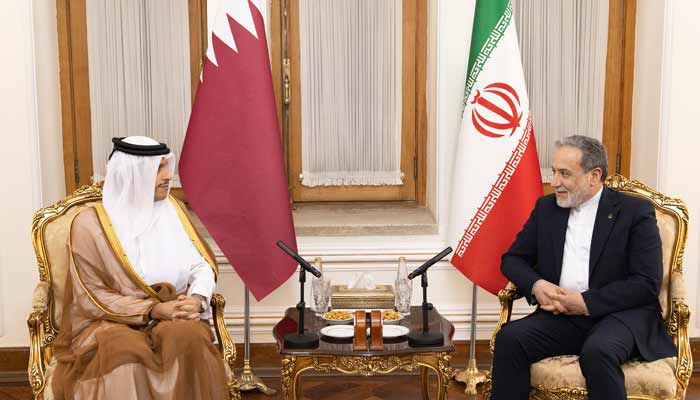
Iran & Qatar – (Special Correspondent/Web Desk) – Iran Qatar Hormuz talks took center stage in Tehran this week, as top diplomats from both nations sat down to discuss the ongoing crisis at the Strait of Hormuz. The meeting comes at a tense moment, with a US naval blockade choking off oil supplies and leaving Iran short on fuel at home.
Qatar’s Foreign Minister, Sheikh Mohammed bin Abdulrahman Al Thani, traveled to Tehran to meet his Iranian counterpart, Abbas Araghchi. Al Thani also holds the role of Qatar’s prime minister, giving the visit extra weight on the world stage.
This trip didn’t happen in isolation. It followed a busy stretch of meetings in Iran, including talks with Oman’s foreign minister and senior officials from Pakistan. All these countries share one goal: finding a way to end the war between Iran and the US and get ships moving through Hormuz again.
Qatar’s foreign ministry shared that the two sides talked about easing tensions and a proposed plan for Hormuz, one that Iran and Oman have been shaping together. Al Thani stressed the need to respect the sovereignty of nearby nations and to keep sea routes open for everyone.
وزارت خارجه قطر: نخستوزیر و وزیر خارجه قطر، در دیدار با سید عباس عراقچی درباره چارچوب پیشنهادی مرحلهای برای ایجاد یک مسیر موقت مشترک دریانوردی از طریق تنگه هرمز و کاهش تنشها و حل اختلافات گفتوگو کردندhttps://t.co/VIzjLrqPkv https://t.co/9OJE2s7Tfo pic.twitter.com/qEuAaZuzAl
— خبرگزاری ایسنا (@isna_farsi) August 27, 2026
Qatar has a track record here. Along with Pakistan, it helped broker an April ceasefire and a June agreement between Iran and the US. Sadly, both deals fell apart, leaving the region right back where it started.
Fuel Shortages Hit Hard
Back home, Iran is dealing with a real fuel crunch. Since the war kicked off in late February, Iran has kept a firm grip on Hormuz, while the US responded with its own blockade on Iranian ports.
Iran’s Vice President, Mohammad Jafar Ghaempanah, admitted this week that the blockade has made it tough to bring in enough petrol to cover what the country can’t produce on its own. Long lines at gas stations have become a common sight across Iran lately.
Officials say petrol quotas might get a second look soon, though no real details have come out yet. This is a touchy subject, since Iran has kept fuel prices low for years through heavy subsidies.
Economic Pressure Builds
The US isn’t backing down either. Washington has been threatening even wider sanctions, aiming at any country, bank, or company still doing business with Iran. Officials there call it a policy of economic asphyxiation.
دیدار و گفتوگوی وزیر خارجه قطر با #عراقچی pic.twitter.com/JgF94tkNNY
— خبرگزاری ایسنا (@isna_farsi) August 27, 2026
Iran, though, isn’t budging. Top negotiator Mohammad Bagher Ghalibaf called it an all-out economic war, but insisted the country would come out on top in the end.
Working Toward A Hormuz Deal
For weeks now, Iran and Oman have been quietly working on a framework that would open a temporary corridor for ships and help clear mines left behind from the fighting. Iran’s Revolutionary Guards confirmed this week that both sides have agreed on how to split the waters and any money made from managing the route.
Still, Iran says the strait stays shut unless the US meets a few key demands. That means lifting the naval blockade, unfreezing Iranian money held overseas, and dropping oil sanctions entirely.
Since the conflict began, ships passing through Hormuz have needed Iranian approval, and vessels that ignored the rules have faced attacks. Iran has also pushed to charge service fees for ships using the waterway, a move that Washington and other countries in the region strongly reject.
Adding to the tension, UK Maritime Trade Operations reported this week that an unidentified projectile hit a tanker in Hormuz, sparking a fire that crews managed to put out.
Comments are closed, but trackbacks and pingbacks are open.