
Iran Blacklists 45 Tankers, Warns of Detention and Fines
Tehran expands control over Gulf shipping lanes as tensions with Washington deepen

Tehran – (Special Correspondent/Web Desk) – Iran blacklists 45 tankers accused of breaking its rules for crossing the Strait of Hormuz, marking a sharp escalation in its ongoing standoff over the vital waterway. The move comes six months into the conflict with the United States and signals Tehran’s growing willingness to squeeze global oil traffic.
The announcement came late Sunday through a post from the Persian Gulf Strait Authority, a newly formed Iranian body tasked with overseeing movement through the strait. Officials warned that any tanker on the list could face fines, detention, or seizure of its cargo.
On Tuesday, the U.S. military helped ship over 15 million barrels of oil and products out of the Strait of Hormuz — combined with pipelines, the total leaving the region is closer to 20 million barrels. 7-day average of oil leaving the Strait is over 8 million barrels a day. Make…
— Secretary Chris Wright (@SecretaryWright) August 21, 2026
The list covers a wide mix of vessels, including large crude carriers, gas tankers, and fuel product ships. Some belong to major regional players like the UAE’s ADNOC Logistics and Shipping, its subsidiary Navigate Tankers, and Saudi Arabia’s Bahri shipping line. Norway’s Klaveness, Stolt Tankers, and South Korea’s Sinokor also appear on the roster.
Iran did not fully explain what counts as breaking its rules. In the past, though, it has insisted that ships get official clearance before entering the strait and pay for security services along the way.
The warning also extends beyond the named ships. Iran says any vessel caught transferring cargo ship-to-ship with a blacklisted tanker risks being added to the list too.
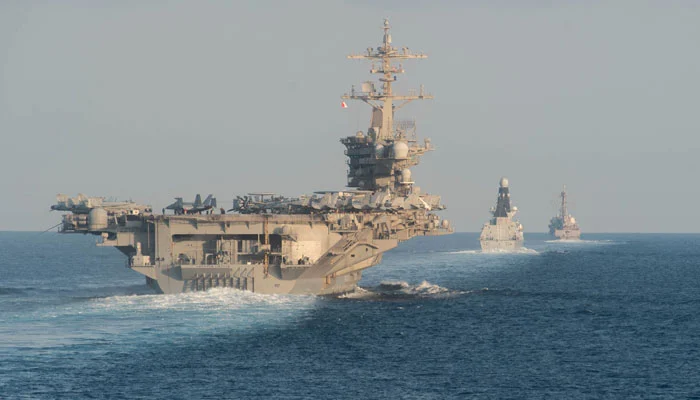
This latest pressure campaign lands just days after the US threatened Iran with historically harsh sanctions, prompting Tehran to promise a “devastating” response. Meanwhile, the US Navy has kept up its own blockade on Iran-linked shipping.
Despite the friction, oil is still moving. US Energy Secretary Chris Wright said recently that roughly eight million barrels a day are now flowing out of the strait, crediting Navy-backed efforts that quietly guide tankers through to waiting supertankers outside Hormuz.
Owners hoping to get their ships off Iran’s list must file a formal request with supporting explanations to Iran’s maritime authorities. Given the Gulf handles about a fifth of the world’s daily crude and LNG supply, any disruption here carries weight far beyond the region.
Comments are closed, but trackbacks and pingbacks are open.