

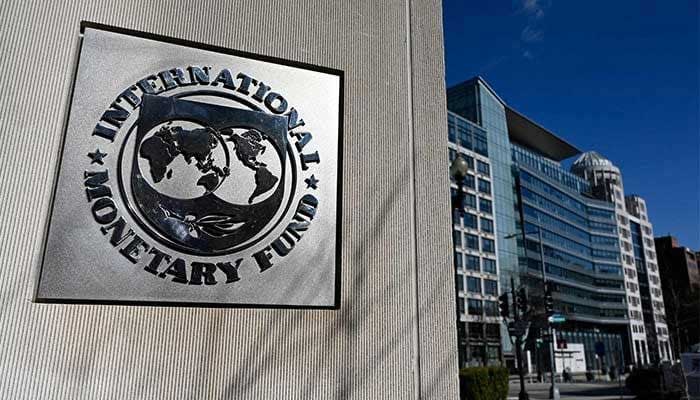

IMF Approves $700 Million for Sri Lanka – (Web Desk) – The International Monetary Fund said yes to another $700 million for Sri Lanka. The money comes with a clear message. The country needs to move faster on economic reforms. This will help protect the recovery Sri Lanka has worked hard to build since its 2022 collapse.
This latest payment is part of a bigger $2.9 billion support package. It runs over four years. But to get the money, Sri Lanka must fix how it prices energy. The government needs to make sure energy prices cover their real costs.
Sri Lanka is also spending close to $200 million on fuel subsidies. This happened because the war involving Iran pushed energy costs up sharply. Fuel prices rose by about one third. Many countries around the world saw the same thing happen.
The IMF is not happy about wide energy subsidies. It wants electricity prices to reflect true costs. Right now smaller households pay less than what electricity actually costs to produce.

The Middle East conflict is hitting Sri Lanka in more ways than one. Energy bills have gone up. A major airport used by tourists has been affected. And many Sri Lankans who work in the Middle East are now struggling.
Things got even harder last November. Cyclone Ditwah struck the island. It was the worst natural disaster Sri Lanka had seen in twenty years. At least 641 people lost their lives. Thousands more lost their homes. The World Bank put the damage to roads, buildings and infrastructure at $4.1 billion. Sri Lanka asked the IMF for a separate $206 million emergency loan just to deal with the aftermath.
This all goes back to 2022. That year Sri Lanka went through its worst economic crash in modern history. The economy shrank by 7.3 percent. People took to the streets for months. President Gotabaya Rajapaksa eventually stepped down.
Pakistan Envoy to US Underscores Diplomatic Role in Iran–US Talks
The current president Anura Kumara Dissanayake took office in late 2024. He comes from the political left. But he has kept most of the tough spending cuts and high taxes that his predecessor put in place. The IMF wants him to stay the course and push reforms even harder.

Comments are closed, but trackbacks and pingbacks are open.