
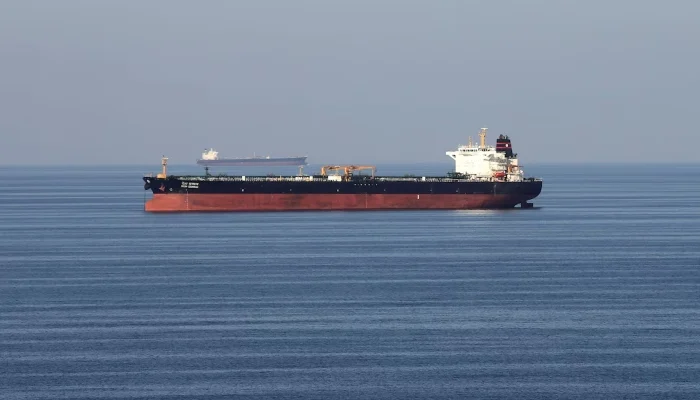
Hormuz Reopening Plans Spark Fresh Concerns as Oil Prices Climb
Oil Prices Rise Again as Hormuz Reopening Talks Stay Stuck in Limbo

IRAN & OMAN – (Special Correspondent/Web Desk) – Hope for a full Hormuz reopening dimmed on Friday after Iran floated tough new rules for ships passing through the strait. The plan, worked out with Oman, would ban vessels seen as hostile and charge steep fines to anyone who breaks the rules.
That news pushed oil prices higher again. Brent crude climbed close to one dollar, trading near $83 a barrel early Friday. US crude followed the same path, moving above $77 a barrel.
Prices had already jumped by more than three dollars a barrel on Thursday. That happened after word spread that Iranian lawmakers were reviewing a bill to keep US and Israeli ships out of the strait. This narrow waterway carries about a fifth of the world’s oil and gas supply.
Earlier in the week, traders felt more hopeful. It looked like the conflict might cool down soon. But that mood shifted fast once Brent slipped under eighty dollars, its lowest point since mid-July, then bounced back up on fresh worry.
Even with Friday’s gain, both oil benchmarks are still set for a rough week overall, down close to eight percent.
Market watchers say this week’s events show one clear thing. The standoff between Iran and the US is far from over.
One energy analyst explained that traders are not reacting to a peace deal gone wrong. Instead, they are responding to Iran’s own draft plan, which lays out strict conditions for using the strait. Ships from the US and Israel would be blocked outright, while other countries labeled hostile would need to pay before passing through.
That means any deal on the table would create a tightly controlled shipping lane, not a return to normal, open traffic. This is exactly why a smooth Hormuz reopening still feels far away.
According to a report from Fars news agency, an Iranian lawmaker confirmed that a parliamentary committee is looking closely at the bill. Under the draft rules, violators could face fines reaching twenty percent of their cargo’s total value.
Iran is also asking for transit fees between five and seven percent of cargo prices. Oman has proposed a lower rate, closer to three percent. The US, on the other hand, wants no fees charged at all.
Several industry insiders say the plan faces real hurdles. Existing US sanctions and strict insurance rules could make these proposed payments hard to carry out in practice.
Adding to the tension, Yemen’s Houthi group said it launched missile and drone strikes on Saudi military positions in Marib and Hadramout on Thursday.
Despite the uncertainty, US President Donald Trump told reporters on Thursday that he expects the conflict to wind down soon.
For now, traders and shipping companies are left waiting. Until clearer terms emerge, a full Hormuz reopening remains more of a hope than a plan.
Comments are closed, but trackbacks and pingbacks are open.