
Hindu Kush Earthquake Magnitude Rattles Islamabad, Peshawar
Tremors from Afghanistan's border region rattle Islamabad, Peshawar and nearby districts, though no casualties reported so far

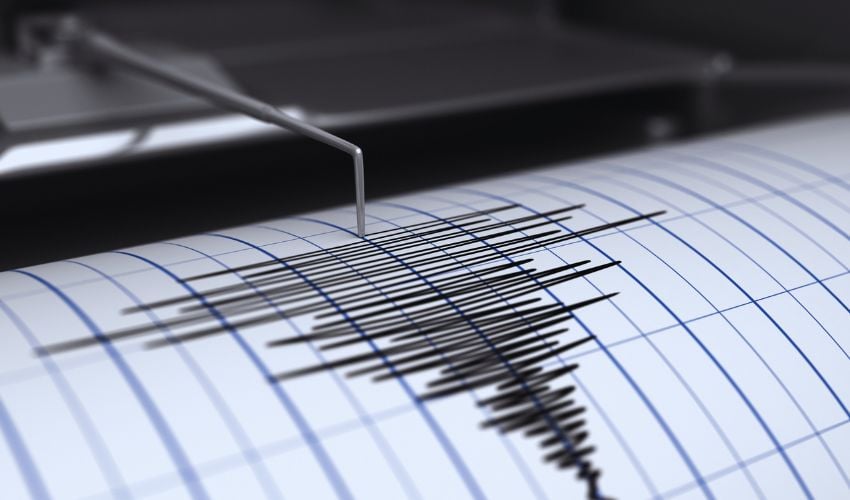
Peshawar & Islamabad – (Staff Reporter/Web Desk) – A moderate earthquake struck recently, with its epicentre traced back to the Hindu Kush region of Afghanistan. The Hindu Kush earthquake magnitude was recorded differently by two separate agencies, sparking fresh conversation about the seismic activity in this mountainous border zone.
According to Pakistan’s Meteorological Department, the quake hit at 12:51pm local time. Officials placed its depth at a significant 187 kilometres below the surface. That kind of depth often explains why such quakes are felt over such a wide area, yet cause little visible damage.
People in Islamabad felt the shaking clearly. So did residents in nearby towns close to the capital. Peshawar, too, reported tremors, along with Malakand and several other districts across Khyber Pakhtunkhwa.
For many, the ground shook just enough to send them rushing outdoors. Office workers paused mid-task. Families checked on each other by phone. Yet by evening, no injuries or property damage had been confirmed anywhere in the affected zone.
The United States Geological Survey offered a slightly different picture. Their sensors measured the quake at 5.3, a touch lower than Pakistan’s own reading of 5.4. Such small gaps between international agencies are common and usually come down to differences in monitoring equipment and calculation methods.
USGS also pinpointed the epicentre more precisely. They placed it roughly 35 kilometres south-southwest of Jurm, a town in Afghanistan’s Badakhshan province. This area sits deep within the Hindu Kush mountain range, a zone long known for frequent seismic activity.

Geologists have flagged the Hindu Kush region for decades as one of the most earthquake-prone corridors in South and Central Asia. The area sits atop a complex meeting point of tectonic plates. Because of this, even mid-sized quakes there can be felt hundreds of kilometres away, across northern Pakistan and beyond.
This isn’t an isolated event, either. Just last week, a smaller 4.0-magnitude quake rattled Dalbandin, a town in Balochistan. That tremor’s epicentre sat about 100 kilometres southwest of the town, and it too passed without major consequence.
Go back a little further, and June brought a more serious scare. An earthquake in Balochistan’s Barkhan district left three people injured. Residents there described real panic as the tremors hit, a stark reminder that not every quake ends without harm.
May told a similar story on a larger scale. A string of mild to moderate earthquakes swept across different parts of Pakistan that month. Islamabad felt shaking once again. So did Khuzdar in Balochistan, along with communities across Azad Jammu and Kashmir. Fortunately, that wave of activity also passed without casualties or reported destruction.
Taken together, these events paint a clear picture. Pakistan sits in a genuinely active seismic zone, one where tremors from neighbouring Afghanistan regularly ripple across the border. The Hindu Kush earthquake magnitude recorded this time adds one more entry to that growing pattern.
Authorities have not issued any special alerts following the latest quake. Life in Islamabad and Peshawar returned to normal within hours. Still, experts continue to urge basic preparedness among residents in high-risk zones, given how often this particular corner of the world tends to shake.
For now, officials are simply monitoring the situation. No aftershocks of concern have been reported. But given the region’s history, few expect this to be the last tremor Pakistan feels this year.
Comments are closed, but trackbacks and pingbacks are open.