
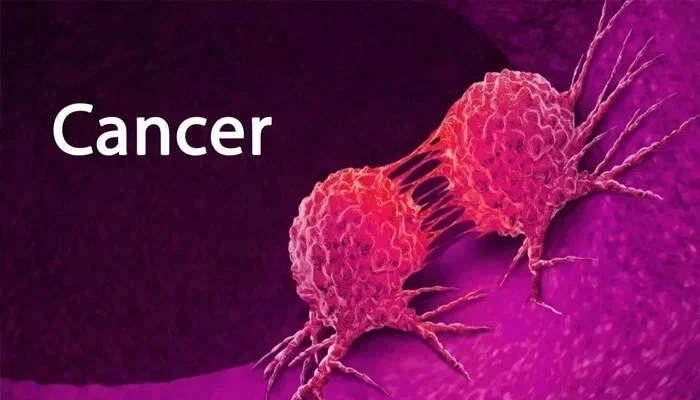
Early Warning Signs of Lung Cancer Often Overlooked
Lung cancer can cause pain when tumors grow or spread to nearby tissues.

Lung cancer is one of the most common and deadliest forms of cancer worldwide. It mainly affects middle-aged and elderly individuals, and in its early stages, the symptoms are often subtle and difficult to detect. Because of this, the disease is frequently diagnosed late, reducing the chances of successful treatment. However, early diagnosis can significantly improve treatment outcomes and reduce long-term health complications.
Medical experts warn that several early symptoms of lung cancer are often mistaken for minor or unrelated health issues and are therefore ignored.
Persistent or Changing Cough
Coughing is common, but a cough that does not go away or changes in nature can be a warning sign. If a cough appears without a clear reason or lasts for more than two weeks, it may indicate a serious underlying condition. According to Cancer Research UK, a chronic cough is one of the most common symptoms of lung cancer.
Shortness of Breath or Wheezing
Experiencing shortness of breath during mild physical activity or difficulty climbing stairs can be another early sign. Lung tumors may block airways or cause inflammation, affecting normal breathing. Sudden or unexplained changes in breathing patterns should be medically evaluated, even if cancer is not immediately suspected.
China Slams U.S. Capture of Maduro as Illegal Overreach of Power

Persistent Body Pain
Ongoing pain in the chest, back, or shoulders should not be dismissed as a result of aging or daily stress. Lung cancer can cause pain when tumors grow or spread to nearby tissues. If such pain does not subside within a few days, medical consultation is advised.
Voice Changes
Unexplained hoarseness or changes in voice can also be an early warning sign, especially if not caused by a cold, flu, or excessive voice use. Persistent voice changes may signal pressure on nerves linked to the lungs.
Unexplained Weight Loss
Sudden weight loss without changes in diet or physical activity can indicate serious health issues, including lung cancer. Cancer cells can alter the body’s metabolism and energy usage, leading to unintended weight loss. Rapid or unexplained weight loss should always be assessed by a healthcare professional.
Doctors emphasize that while these symptoms do not necessarily confirm lung cancer, ignoring them can delay diagnosis. Early medical evaluation plays a crucial role in detecting the disease at a treatable stage and improving survival rates.

Comments are closed, but trackbacks and pingbacks are open.