
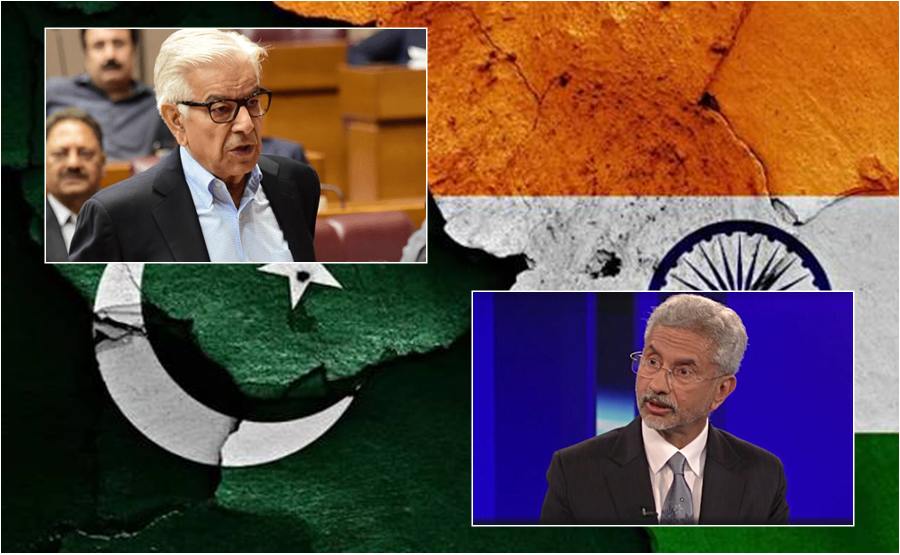
Digital Public Diplomacy in India-Pakistan Relations: The Role of Social Media in Shaping Narratives
By: Zainab Saeed

Social media has completely changed how India and Pakistan talk to each other and to the world. Old diplomacy happened behind closed doors with formal meetings and careful statements. Today, it unfolds on phones, in comment sections, and through viral videos. Governments post directly to millions. Citizens reply instantly. This new form of public diplomacy shapes opinions faster than any press conference ever could.
During the 2025 flare-up after the Pahalgam attack and India’s Operation Sindoor, the difference became painfully clear. Feeds filled with anger, fake videos, and war cheers. One side shared deepfakes of soldiers crossing borders. The other posted old clips as fresh evidence of cruelty. Hashtags turned neighbors into enemies within hours. Families argued at dinner tables over what appeared on their screens. Leaders stayed mostly quiet or used the platforms to look strong at home. The rage helped their ratings, but it pushed ordinary people further apart.
Even though social media can damage relations between countries, there is always room left for positivity. This is because even when the relationship between two states reaches its lowest point in the past decade, social media serves as an arena that allows hope and warmth to grow. During the early phases of battling the virus, when Pakistan extended support to India, hashtags such as #PakistanStandsWithIndia started trending. People in Karachi and Delhi would share stories from the Partition period and even food recipes, along with memes about their common problems.These small acts help diminish the old notion of being enemies.
The loud negative voices still win most days. Troll armies on both sides work nonstop. Bots and paid accounts push content that spreads faster than truth. Governments treat social media like a one-way loudspeaker. India’s external affairs pages highlight yoga, democracy, and development. Pakistan’s official handles focus on resilience and faith. Both reach huge audiences smartly. However, direct dialogue between both sides is not frequent enough. It appears that the two countries’ citizens shout at one another from opposite sides of the wall.The most positive development is that it is now happening via citizens who do much better job of communication than state bodies ever did.
Young Indians and Pakistanis chat in comment sections, swap playlists, and join quiet online peace discussions. Groups exist where former soldiers from both armies talk about past battles without hatred. College students run pages sharing daily life stories power cuts in one country, exam pressure in the other. These are not big funded projects. They are simple efforts by people tired of the same old conflict.
Such grassroots interaction is something completely new for the history of these two countries, which once received all news filtered by TV and the newspapers owned by the state. Now everyone can record their personal story using just a cell phone. For the first time, many young people, who never personally went through the trauma of Partition in 1947 and the war of 1971, ask questions about the need for perpetual animosity, calling for freedom of movement and academic studies.The true threat is in the speed of disinformation escalation into real life dangers, illustrated by the 2025 events.
False stories moved so fast that even calm voices faced pressure to act tough. One viral deepfake of a leader issuing threats could push both sides closer to actual conflict. During those weeks, users on each side saw completely different versions of events. Many had to exchange screenshots with friends across the border just to understand what was real. That level of division makes peaceful solutions much harder.
A fresh opportunity waits untapped. Social media hands ordinary people the power to shape narratives directly. No longer must everyone wait for prime ministers or generals to start talks. Citizens can begin the process in replies, stories, and live sessions. Picture foreign ministers from both countries holding weekly live question-and-answer sessions open to people on either side. Imagine verified citizen voices everyday individuals chosen from both nations getting official space to share positive everyday stories. This would move beyond one-sided propaganda toward honest exchange.
Governments hesitate because open digital dialogue might weaken their firm image back home. Instead, many invest in troll farms and controlled messaging. This short-term approach creates long-term damage. Young users grow tired and stop engaging. When that fatigue spreads, the next crisis becomes even tougher to manage because trust in any positive story fades away.
Shared culture offers strong ground for better connections. Music, food, films, and sports already cross borders easily online. Pakistani artists trend in India. Indian doctors sometimes give online advice to people in Pakistan. These moments feel natural and human. They remind everyone of common roots in language, traditions, and daily joys. Lifting up these stories instead of war talk could slowly rebuild understanding.
The path ahead requires action from multiple sides. Users must first challenge hate coming from their own communities. Reporting fake news and sharing verified human stories makes a difference. Schools could introduce basic digital peace lessons teaching how to spot propaganda and respond with facts and kindness. Those that operate such platforms require stronger policies against hate campaigns conducted by both countries in coordination.
The problems associated with Kashmir, terrorist incidents, and water conflict have a lot of history, and they cannot be sorted out in an instant. However, neglecting the impact of social media will result in the delay of healing of such wounds. The platforms act as a mirror. They show exactly what people choose to become angry strangers or curious neighbors. Right now, too many choose anger. Yet enough glimpses of the other choice exist to believe change can grow.
Social media gives a tool that past generations never had. It allows direct voices across borders without waiting for official permission. The narratives do not need to stay trapped in old hatred. They can shift through steady, small efforts one post, one honest reply, one shared laugh at a time. Leaders may eventually follow if enough citizens lead the way.
The real question remains whether enough people feel ready to try. There is an opportunity present through each post on Facebook, Twitter, and other forums that can be utilized to change the course of this relationship for better or worse.
Disclaimer
The views expressed in this article are solely those of the author and do not necessarily reflect the views or policies of the publication.
BIO: Zainab Saeed is currently pursuing her Bachelors in International Relations from Fatima Jinnah Women University, Rawalpindi. Her areas of interest are South Asian politics, diplomacy, soft power, and globalization
Comments are closed, but trackbacks and pingbacks are open.