
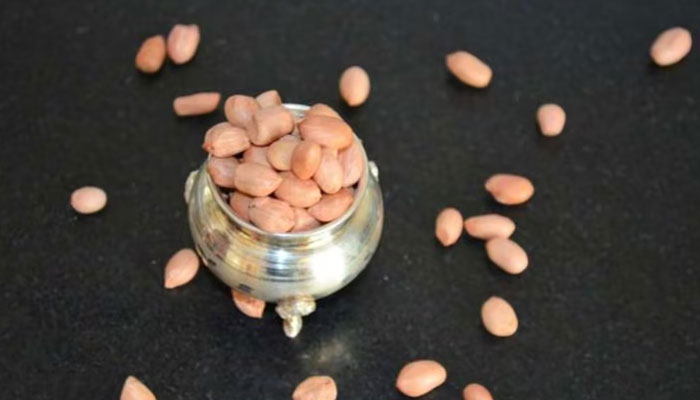
Daily Peanut Consumption May Support Brain Health in Older Adults
Researchers Discover Potential Brain Benefits of Eating Peanuts

The 16-week study, conducted by researchers at Maastricht University Medical Center, involved 31 healthy adults aged 60 to 75. Participants consumed 60 grams of peanuts daily, equivalent to approximately two servings.
Using advanced brain imaging techniques, scientists observed improved insulin responsiveness in specific brain regions following regular peanut consumption. Insulin plays an important role in brain function by supporting nerve cell survival and communication, processes that contribute to learning and memory.
As people grow older, the brain may become less sensitive to insulin, a change associated with age-related cognitive decline. The researchers reported that daily peanut consumption improved insulin responses in brain areas involved in memory, including regions on the right side of the brain and the hippocampus.
The findings build on earlier research published by the same team in 2025. That study reported a 3.6 percent increase in cerebral blood flow and a 5.8 percent improvement in verbal memory scores after participants followed the same 16-week peanut-eating routine.
Researchers suggest that peanuts’ nutritional profile may contribute to these potential benefits. Peanuts contain unsaturated fats, dietary fiber, essential minerals and L-arginine, an amino acid that helps the body produce nitric oxide. Nitric oxide supports blood vessel function, which is important for maintaining healthy circulation.
Although the findings are promising, the study included a relatively small number of participants and lasted only 16 weeks. Further research is needed to determine whether regular peanut consumption can produce lasting improvements in cognitive health or reduce the risk of Alzheimer’s disease. Peanuts may be a nutritious addition to a balanced diet, but they should not be considered a proven treatment or preventive measure for dementia.
Comments are closed, but trackbacks and pingbacks are open.