


By Mudassar Chuhdary
Editor / Sports Journalist
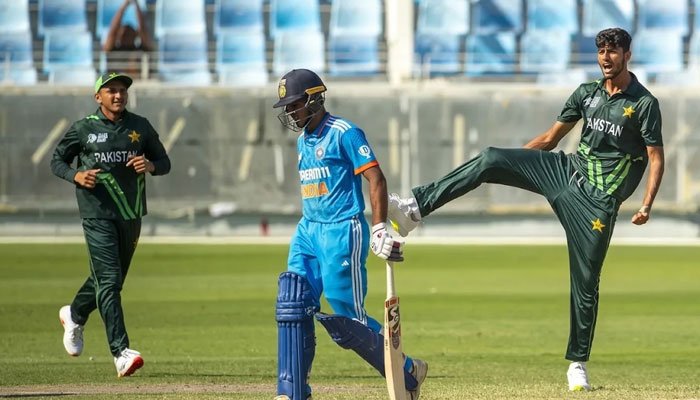
There has always been enormous cricketing talent on both sides of the border. India and Pakistan have produced some of the greatest cricketers in the history of the game. However, when it comes to developing young players and turning junior prospects into established international performers, an important difference can be seen in the way their cricketing systems operate.
The real question is not which country has more natural talent. It is which country has built a stronger pathway to identify, develop and retain that talent.
India has gradually established a more structured approach to youth development. Its Under-19 programme is not simply about winning junior tournaments; it is also intended to prepare players for the demands of professional and international cricket. Virat Kohli, Rohit Sharma, Yuvraj Singh, Rishabh Pant, Shubman Gill and Yashasvi Jaiswal are among the prominent names associated with India’s successful transition from junior and domestic cricket to the international stage. Their success, however, cannot be credited to Under-19 cricket alone. It reflects a wider system of competitive domestic cricket, professional coaching, fitness support and opportunities to progress.
One of India’s major strengths is the availability of a relatively clear pathway after Under-19 cricket. Young players can move into the Ranji Trophy, India A programmes, the National Cricket Academy and the Indian Premier League. These platforms expose them to experienced professionals, challenging conditions and the pressure of high-level competition. They learn not only how to score runs or take wickets but also how to manage difficult situations and maintain consistency.
The Indian system is not without weaknesses. Competition for places is intense, expectations are extremely high and the growing influence of franchise cricket can create pressure at a very young age. Not every Under-19 star becomes an international regular. Some talented players struggle to secure consistent domestic opportunities, while others find it difficult to manage early fame and expectations. Nevertheless, India’s advantage lies in the depth of its domestic structure and the number of competitive opportunities available to young cricketers.
Pakistan’s situation is different, although the country has never lacked natural cricketing ability. Pakistan has a proud tradition of producing exceptional batters and fast bowlers, and its youth teams continue to reveal promising players. Names such as Ali Raza and Farhan Yousaf reflect the potential within the country’s junior cricket structure. The bigger concern is what happens after these players complete their Under-19 careers.
For many young Pakistani cricketers, the transition into senior professional cricket remains a difficult stage. They need regular first-class opportunities, Pakistan Shaheens tours, professional contracts, specialised coaching and individual development plans. Without these elements, even a highly talented player can lose direction. The Quaid-e-Azam Trophy and other domestic competitions provide an important foundation, but their real value depends on whether emerging players receive consistent opportunities to compete and improve.
Another concern is the tendency to promote certain young players to international cricket too early. A teenager performs well in a junior tournament, attracts attention and suddenly finds himself under pressure to deliver at the highest level. If he fails in his first few appearances, he may be dropped before receiving enough time to adjust. At the same time, other talented players are left waiting in domestic cricket without a clear development plan. Both approaches can damage careers.
Modern cricket also demands much more than natural ability. Strength and conditioning, biomechanics, nutrition, mental preparation, technical coaching and injury management are now essential parts of a professional cricketer’s development. Pakistan has historically been famous for producing outstanding fast bowlers, but young pacers need carefully managed workloads, fitness programmes and injury-prevention support if they are to enjoy long and successful careers.

Administrative instability is another issue that cannot be ignored. Frequent changes in management, coaching staff and selection policies can make it difficult for young players to understand what is expected of them. A cricketer needs a clear plan after Under-19 cricket: which competition he should play, what skills he needs to improve and how his progress will be evaluated. Long-term development should not be abandoned every time a new administration takes charge.
Pakistan must pay particular attention to players between the ages of 19 and 23. This is arguably one of the most important periods in a young cricketer’s career. It is the stage at which potential must be converted into professional performance. Regular first-class cricket, a consistent Pakistan Shaheens programme, modern facilities at the National Cricket Academy and individual performance monitoring should become central parts of the development strategy.
Pakistan does not need to copy every aspect of India’s model. The two countries have different resources, domestic structures and cricketing environments. However, Pakistan can learn from India’s emphasis on competitive depth, professional preparation and continuity. It must develop a system that suits its own conditions while providing young cricketers with the support they need.
The success of an Under-19 programme should not be judged only by the number of Asia Cups or World Cups won. A far more meaningful measure is how many players graduate into successful senior professionals and become regular contributors to the national team.
Pakistan has the talent, the passion and the cricketing heritage. What it needs is a system that does not abandon promising youngsters after their junior careers. Young players must be allowed to learn from failure, improve through regular competition and progress on merit rather than being judged by one tournament or a handful of international performances.
Ultimately, India’s biggest lesson is not simply that it wins junior trophies. It is that its wider cricketing structure offers young players multiple routes towards professional success. Pakistan must adopt the same long-term mindset.
The objective should not be limited to winning the next Under-19 World Cup. It should be about building the next generation of Pakistan’s national team.
A trophy brings temporary happiness, but a properly developed international cricketer can make a nation proud for many years.
Mudassar Chuhdary
Editor / Sports Journalist

Comments are closed, but trackbacks and pingbacks are open.