

Are US-Iran Talks Happening? Ship Struck Near Hormuz Sparks Doubt
Confusion Grows Over Ceasefire Efforts as Ships Face New Threats Near Hormuz

US vs IRAN – (Special Correspondent/Web Desk) – The status of US-Iran talks remains unclear this week, and fresh danger near the Hormuz strait is adding pressure on world energy markets. Mixed messages from both sides have left analysts and traders guessing about what happens next.
President Donald Trump claimed on Monday that discussions with Tehran were actively happening. He called it a final opportunity for Iran to accept a fair agreement, and said the outreach came from Iran itself along with regional partners like Saudi Arabia, Qatar and the UAE.
Iran quickly pushed back on that claim. A spokesperson for the country’s Foreign Ministry said no talks were scheduled or underway, and that no delegations were being sent abroad in the near term.
According to Iranian officials, nearly all of the country’s negotiators were still inside Iran. The only exception was the Foreign Minister, who was reportedly on a religious trip to Iraq. The sole active conversation, they noted, was with Oman regarding oversight of shipping routes.
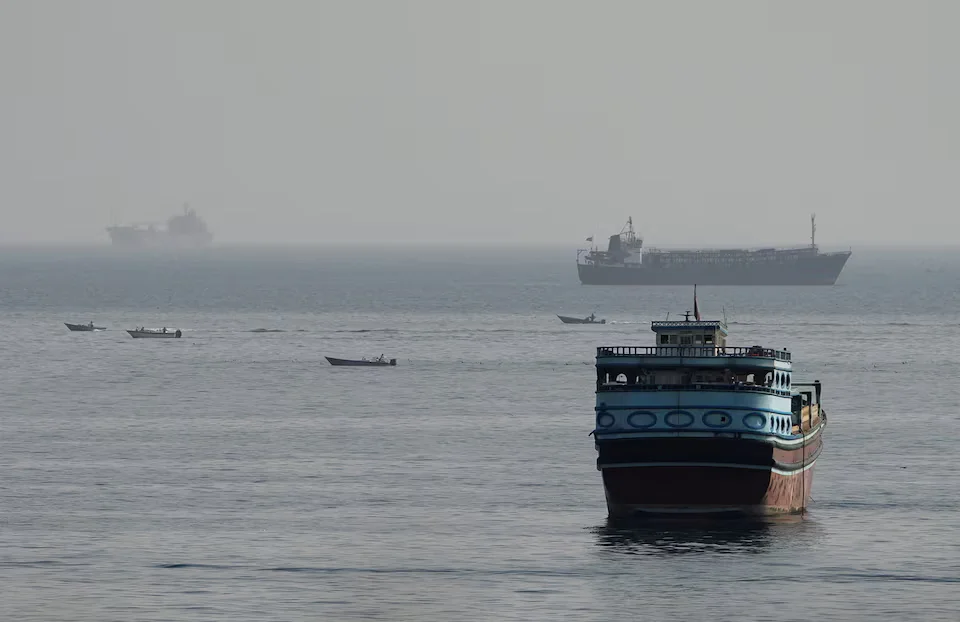
Meanwhile, the waters near the Hormuz passage stayed risky. A cargo ship reported being struck by an unidentified object close to Oman’s coastline, based on information shared by UK maritime monitors.
Vessel movement through the strait has slowed sharply. Just six ships passed through on Monday, a small drop from the day before, based on tracking data.
Despite the uncertainty, financial markets responded with cautious optimism. Oil prices dropped, and stock markets rose, suggesting investors hoped the standoff was easing rather than escalating.

Brent crude fell close to seven percent, landing near $83 a barrel. US stock markets also climbed to new highs during the same session.
Regional experts believe Iran may be using shipping routes and energy infrastructure as leverage. The idea is to raise the economic cost of the conflict for Washington and its allies, making a settlement more appealing over time.
One Middle East analyst noted that Iran holds a real advantage, since it can inflict pain on neighboring economies and disrupt global trade.
Trump also posted online criticizing Iran’s leadership, describing them as untrustworthy. He insisted the US Navy maintains full command of the strait and warned that nothing moves through without American approval.
This back-and-forth fits a broader pattern seen since the conflict began roughly five months ago. Trump has repeatedly threatened stronger military action, only to pull back when diplomatic openings appeared.
Iran, meanwhile, has avoided formal negotiations with the US since an earlier agreement collapsed in July. The two sides still disagree over what that deal actually required regarding access to the strait.
For now, the original US goals in this conflict remain unmet. Those include limiting Iran’s nuclear activity, reducing its regional military reach, and encouraging internal political change.
With both countries offering different accounts of the situation, the path toward a resolution stays uncertain, and global markets continue watching the strait closely for any sign of real progress or renewed conflict.
Comments are closed, but trackbacks and pingbacks are open.