
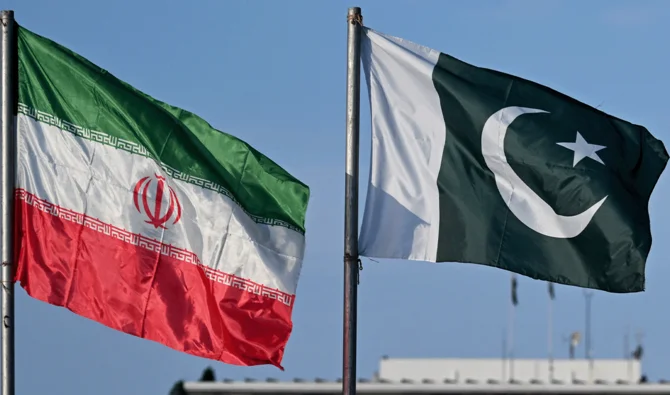
Pakistan Leads Iran US Mediation After Fresh Strikes
Iran US strikes ceasefire tensions rise as talks resume

ISLAMABAD – (Staff Reporter/Web Desk) – Pakistan Iran US mediation efforts are back in the spotlight this week. Qatar and other regional partners have joined Islamabad in a fresh push to calm tensions between Washington and Tehran. The goal is simple: stop the fighting and get both sides back to the negotiating table.
The trouble started again on Thursday. US forces carried out new air strikes inside Iran, and Tehran hit back at American interests across several Middle Eastern countries. It was the latest flare-up in a conflict that has tested a fragile truce for months.
This back-and-forth wasn’t new. Attacks a day earlier had already shaken the ceasefire. But Thursday’s strikes felt bigger. Sirens rang out three times in Bahrain, home to the US Navy’s 5th Fleet. Missiles also struck near Kuwait and Qatar, adding to fears of a wider war.
Despite the chaos, mediators haven’t given up hope. Sources close to the talks say real progress was made in earlier negotiation rounds. Nobody wants to see that work go to waste. Officials are now trying to agree on a cooling-off period first, before setting a new date for technical-level talks.
One regional source close to the mediation said the priority right now is de-escalation. Only after both countries calm down will a new round of formal talks be scheduled. That message has been repeated by several officials involved in the process.
Adding to the tension, an Iranian official claimed the US targeted the area near the country’s only nuclear power plant. Other blasts were also reported in different parts of Iran during the day. These claims have raised fresh alarm among neighboring nations.

The strikes followed a warning from President Trump. He said Iranian attacks on ships in the Strait of Hormuz marked the end of the ceasefire. He also threatened further escalation if the attacks didn’t stop. That warning worried many, since a full-blown war could disrupt oil shipments the whole world depends on.
Pakistan’s role in this story runs deep. Earlier this year, Islamabad hosted direct talks between senior American and Iranian officials. Though that meeting didn’t produce an instant deal, it laid the groundwork for the interim peace framework signed last month, known as the Islamabad Memorandum of Understanding.
Iran’s Foreign Minister spoke by phone with Pakistan’s army chief on Thursday. He reportedly said Washington was not honoring the terms of that framework. Iranian state media quoted him as accusing the US of breaking the agreement through renewed hostility.
Pakistan itself has stayed quiet in public. No official statement has been released about the phone call, and the military hasn’t shared any details. This is in keeping with Islamabad’s low-key approach throughout the mediation process.
The human cost has been steep. Iran’s Health Ministry reported at least 14 deaths and 78 injuries from two days of strikes, mostly among armed forces personnel. Kuwait shot down several missiles and drones, with one person hurt by falling debris. Bahrain also intercepted incoming fire.
Shipping traffic through the Strait of Hormuz had been picking up before this latest round of violence. Data from a maritime intelligence firm showed hundreds of ships passed through in June alone. A return to full conflict could put that fragile recovery at serious risk.
For now, all eyes remain on Islamabad, Doha, and Washington, as diplomats race against time to pull the region back from the edge.
Comments are closed, but trackbacks and pingbacks are open.