
Islamabad Orders Markets and Malls to Close at 8pm
Shops and Malls Face New Operating Hour Restrictions

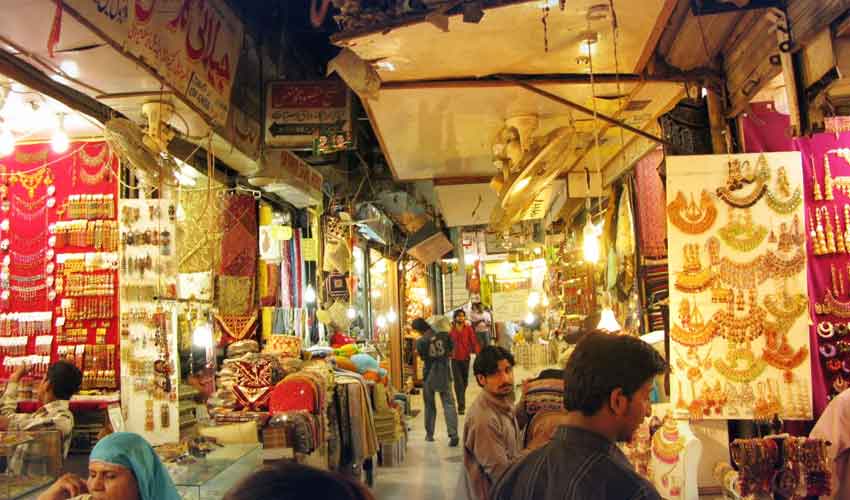
ISLAMABAD: (Web Desk) – Authorities in Islamabad have introduced revised business operating hours, requiring markets, shopping malls and retail outlets to close by 8:00 pm under renewed austerity measures.
According to a notification issued by the Islamabad district administration, the new schedule came into effect on Monday, June 1, 2026.
Under the revised timings, markets, commercial centres and shopping malls must shut down operations at 8:00 pm. Restaurants, grocery stores, bakeries and other food-related businesses will be permitted to remain open until 10:00 pm.
Marriage halls, marquees and other event venues will also be required to conclude operations by 10:00 pm.
However, several essential services have been exempted from the restrictions. These include pharmacies, hospitals, petrol pumps, dairy and milk shops, sports facilities, call centres and IT companies serving international clients.
The notification further clarified that takeaway and home delivery services will continue without any limitations, while milk and dairy outlets will remain unaffected by the new measures.
Bat Instrumen Bank Islamabad Branch: Indonesian Bank Completes Requirements to Open First Branch
The move comes shortly after Prime Minister Shehbaz Sharif approved the temporary suspension of business-hour restrictions nationwide until May 31, allowing commercial activities to continue without previously imposed closing limits.
Prior to that decision, provincial governments had also eased restrictions. Punjab extended flexible business hours until June 1 and suspended the 8:00 pm closure requirement for markets and commercial centres.
Similarly, authorities in Sindh relaxed operating-hour restrictions for markets, shopping malls, restaurants, hotels and marriage halls to support economic activity. Comparable measures were also adopted in Khyber Pakhtunkhwa and Balochistan.
The original restrictions were introduced in April as part of a nationwide energy conservation strategy aimed at reducing fuel consumption and easing pressure on energy resources amid rising international oil prices and regional tensions.


Comments are closed, but trackbacks and pingbacks are open.