

Middle East conflict hits world markets and slows economic growth
Middle East war drives global oil prices higher, disrupts shipping, flights, and fuel markets

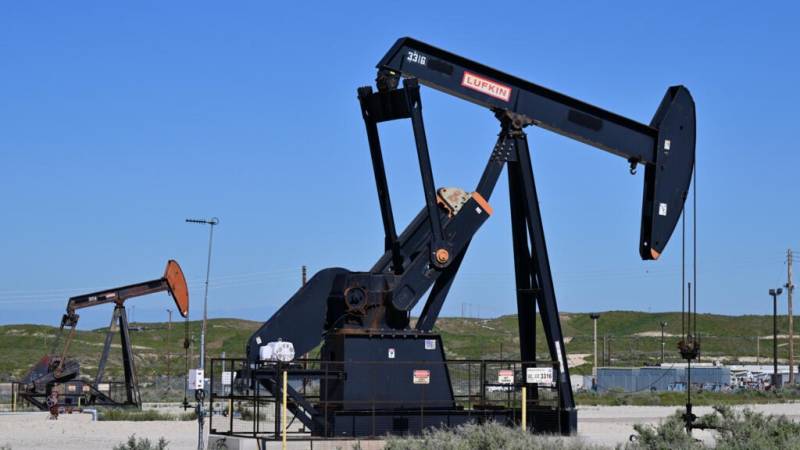
Global Market Oil Price Hiking – (Web Desk) – Oil prices jumped about 30 percent in Asian markets. Brent crude, the main global oil contract, is now roughly 41 percent higher than before the war started and about 68 percent up since the start of the year. In the US, WTI oil rose around 50 percent since the war began and 75 percent since January.
Russian President Vladimir Putin said Russia is ready to supply energy to Europe if needed. Meanwhile, France’s finance minister said the G7 is not yet ready to release strategic oil reserves. The world’s leading industrial nations are holding talks on how the Middle East conflict could affect the global economy, but they are prepared to act if necessary.
G7 energy ministers are set to meet on Tuesday.
President Emmanuel Macron said France and its allies were preparing a “defensive” mission to reopen the Strait of Hormuz as the Middle East war entered its second week.
Ships anchored in the Gulf or transiting the Strait of Hormuz are changing their tracking data to boast links to China in an attempt to evade Iranian attacks, according to data from shipping tracker Marine Traffic analyzed by AFP.

Lufthansa and Air France extended flight cancellations to Middle East destinations.
Croatia, Hungary, South Korea and Thailand imposed price caps on fuel.
Pakistan Navy launches Operation Muhafiz-ul-Bahr to protect shipping
China asked key refiners in early March to suspend their exports of diesel and gasoline.
Nigeria’s Dangote mega-refinery pledged to priorities the domestic market to help prevent fuel shortages.
In Japan, the Nikkei newspaper reported that authorities have asked oil reserves to prepare for their release.
Comments are closed, but trackbacks and pingbacks are open.