

Zardari Criticizes Imran Khan, Emphasizes Agriculture, Governance Challenges
President Zardari Highlights Farming, Politics While Critiquing Imran Khan

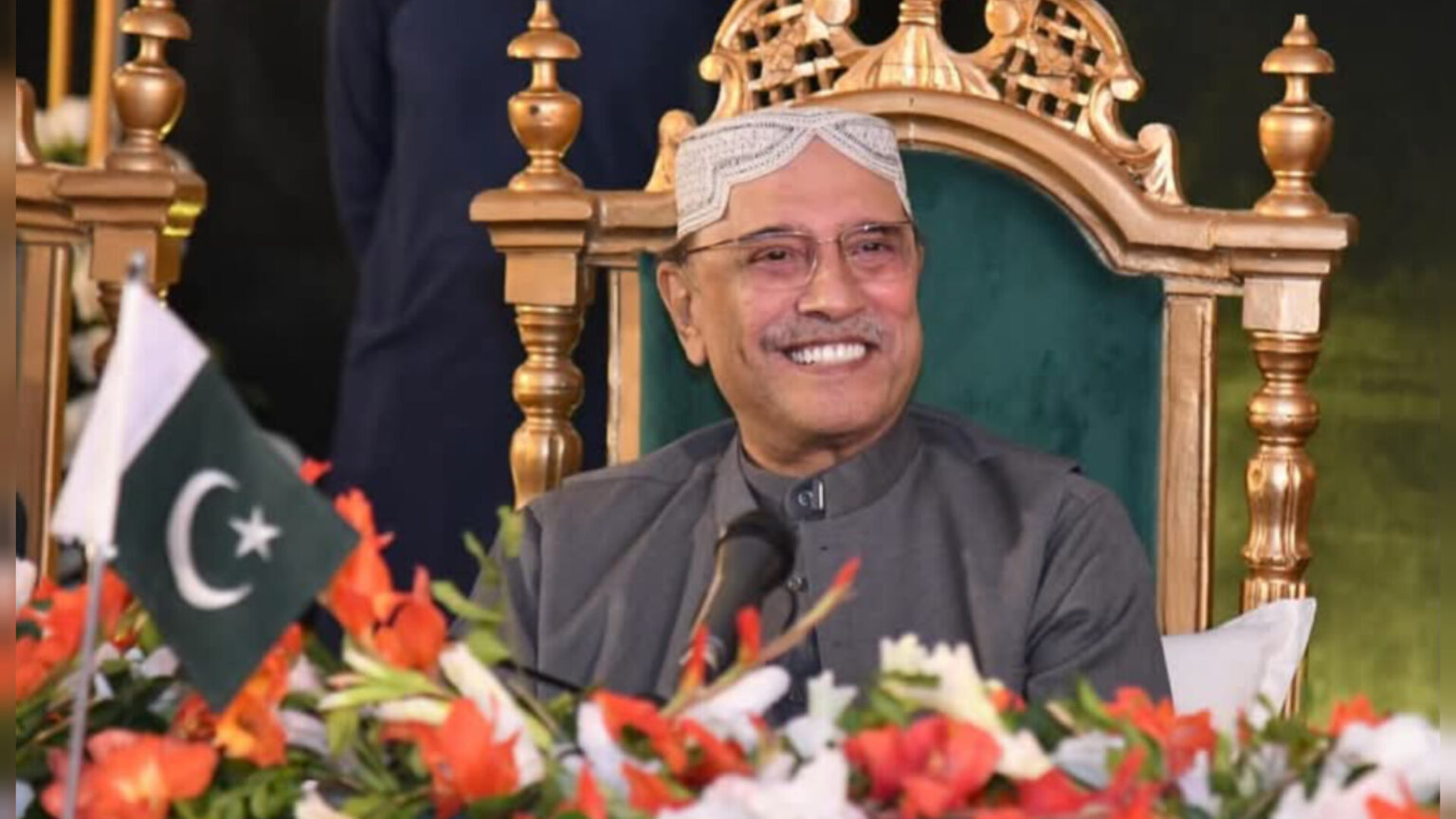
WAHARI (Web Desk) – President Asif Ali Zardari took a subtle jab at former Prime Minister Imran Khan during a public event in Wahari, reflecting on the challenges of political leadership and the responsibilities that come with it.
Zardari remarked that politics inherently comes with criticism, warning that those unable to handle it should “choose an easier path.” Without directly naming Khan, he referenced the four years under the former leader, noting how constant speeches and media attention had dominated national discourse.
At the same event, Zardari emphasized the critical role of agriculture in Pakistan’s economy. He highlighted that while the country possesses abundant resources, it suffers from a lack of continuity and strategic planning. Strengthening farmers, promoting modern farming techniques, and supporting the agriculture sector, he said, are key to sustainable national development.

Tarar Assures Imran Khan’s Health Stable Amid Speculation
Reflecting on his tenure, Zardari noted his previous reforms, including tripling judges’ salaries and making thoughtful decisions on governance. On foreign policy, he reaffirmed Pakistan’s stance on Kashmir, calling it the “jugular vein of Pakistan” and stating no compromise will be made. He credited Zulfikar Ali Bhutto for turning Pakistan into a nuclear power in response to regional threats.
Zardari also spoke on political maturity and governance, stressing the need for cooperation to curb unilateral tendencies. He acknowledged ongoing challenges in Balochistan, while highlighting that progress is gradual. He pointed out that his party’s influence is currently limited to Sindh and Balochistan, while Punjab and Khyber Pakhtunkhwa follow different political approaches. He criticized the KP government for “marking territory” instead of delivering results.
Concluding his address, Zardari highlighted that political leadership is multifaceted, unlike simpler professions such as sports or social work. Leaders must endure criticism, navigate complex challenges, and work for the broader good of the country.


Comments are closed, but trackbacks and pingbacks are open.