


In Pakistan, serious discourse on mental health has not progressed at a pace commensurate with the rapid social, economic, and technological transformations reshaping the lives of the younger generation. Entrenched misconceptions, pervasive ignorance, and the marginal representation of mental health within state priorities have compounded the complexity of this challenge. In this context, the Fourth Annual General Meeting of the Pakistan Mental Health Coalition, held in Karachi, was not only timely but also a pivotal step toward understanding the magnitude of this crisis and exploring novel avenues for intervention.
The meeting convened at a private hotel, drawing a wide spectrum of participants: clinical psychologists, academic researchers, youth facilitators, transgender welfare organizations, representatives from primary healthcare networks, and individuals who have recovered from mental illnesses. Over twenty organizational delegates attended, alongside senior representatives from coalition secretariat institutions, including the British Asian Trust and the Taskeen Health Initiative, all contributing to the dialogue.
The assembly underscored that mental health is no longer an exclusively individual concern but a collective societal responsibility. Discussions on mental health have historically been marginalized; however, this meeting demonstrated that further delay is untenable. This is a crisis intimately tied to the nation’s future. The focal theme of the gathering youth mental health was deliberate and profoundly urgent: nearly 65 percent of Pakistan’s population is under the age of 35. These young individuals navigate the intersecting pressures of economic insecurity, unemployment, familial discord, rapidly evolving social norms, academic expectations, the psychological impact of social media, and a deeply polarized societal climate.
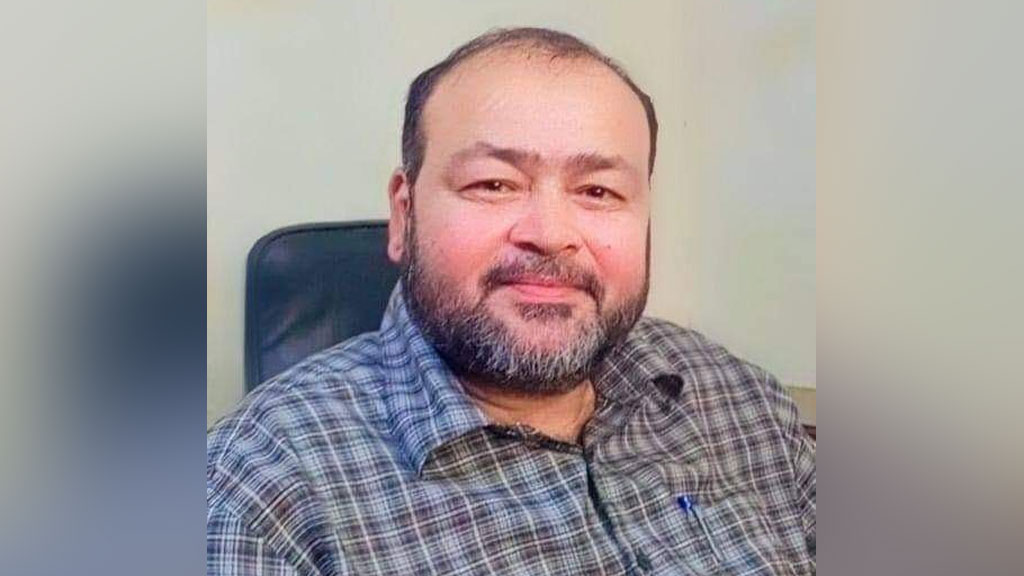
Dr. Talha Chughtai, Senior Program Manager at Mental Health Pakistan, emphasized a critical insight: the mental struggles of young people cannot be comprehended unless we listen directly to their lived experiences, fears, motivations, and priorities. According to her, centering youth voices is not merely a procedural necessity but the very foundation upon which effective mental health policies must be constructed. This philosophy distinguished this year’s meeting from prior conferences. For the first time, youth participants themselves became the epicenter of dialogue, narrating their personal stories, challenges, and anxieties, thereby furnishing researchers with fresh analytical perspectives.
In Pakistan, mental illnesses remain shrouded under layers of stigma, prejudice, and shame. Families often dismiss them as imaginary, peers trivialize them as mere excuses, schools and religious institutions interpret them as weaknesses, and even medical professionals frequently categorize them as secondary to physical ailments. Consequently, affected youth neither recognize nor articulate their struggles, nor do they access timely support. Anxiety, depression, fear, and psychological disarray silently escalate, often reaching catastrophic levels. Left unaddressed, these conditions evolve into generational crises, perpetuating cycles of mental suffering.

Meaningful reform in Pakistan’s mental health sector is impossible without integrating it into state policy. Currently, primary healthcare lacks systematic mental health screening, schools are devoid of structured counseling programs, parental and teacher training is nearly absent, and the number of qualified psychiatrists and psychologists remains woefully insufficient relative to the population. Treating mental health as anything less than a public health emergency has allowed the situation to deteriorate progressively. If unmitigated, this crisis will challenge not only the healthcare sector but the state itself in the coming years.
The annual meeting functioned as a vital national convergence point. Discussions extended beyond diagnosis to practical strategies: institutional collaboration, community-level awareness campaigns, teacher and parental training programs, the integration of emotional literacy into schools, and embedding mental health within primary healthcare frameworks. These deliberations are particularly significant in Pakistan, where many social problems stem from institutional disconnects; the meeting attempted to bridge precisely this gap.
Youth facilitators’ testimonies rendered the environment both emotionally charged and illuminating. Narratives ranged from familial pressures and academic burdens to the acute psychological challenges faced by transgender individuals, alongside accounts from those who had successfully navigated recovery. These narratives reinforced the principle that mental health is not solely a concern for clinicians and patients but a shared societal responsibility.
Three pivotal insights emerged from the discussions. First, the mental health crisis is neither hypothetical nor impending; it is a present reality, disproportionately affecting young people. Second, the current system is inadequate; meaningful change requires the integration of mental health into core health, educational, social welfare, and media policies. Third, youth participation in dialogue is essential; their unspoken experiences and mental realities must inform policy frameworks.
The Pakistan Mental Health Coalition’s meeting was more than a convening; it was a harbinger of future trajectories. It signaled that mental health can no longer be concealed and that if the youth begin to falter psychologically, national development itself will be jeopardized. The gathering affirmed a crucial principle: mental health is not merely an individual matter but a foundational pillar of national stability.
The present moment is decisive: either we embed mental health into the national agenda or allow the intensifying crisis to expose the consequences of our collective inaction. Nations recalibrate their priorities at such critical junctures, and for Pakistan, this path remains the sole avenue for hope and progress.

Comments are closed, but trackbacks and pingbacks are open.