

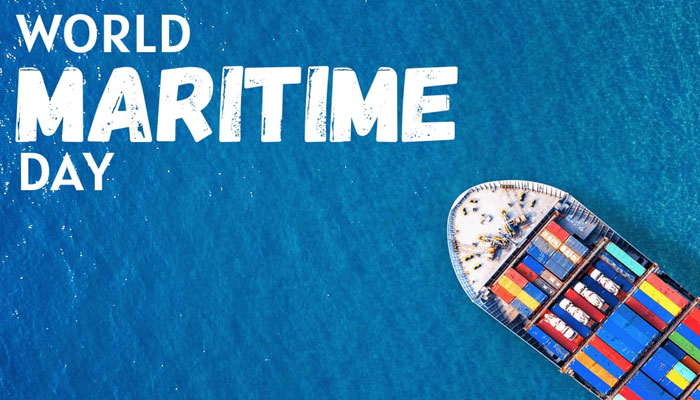

The ocean is far more than a vast expanse of water in constant motion. It regulates our climate, nourishes billions with food, sustains economies through jobs and livelihoods, and safeguards ecosystems vital to life on Earth. It binds nations, cultures, and markets together, standing as a cornerstone of human progress and prosperity. With nearly 80 percent of global trade traversing its waters, the ocean’s health and security are inseparable from global well-being and national stability. Yet, with every tide, it reminds us that such reliance carries with it an undeniable responsibility.
This year, World Maritime Day is being observed with the theme that could not be timelier: “Our Ocean, Our Obligation, Our Opportunity.” The message is clear, oceans are not invincible, and protecting them is essential to building a sustainable future. The challenges are many. marine plastic litter continues to choke sea life, greenhouse gas emissions from ships add to global warming and oil spills threaten entire ecosystems. Even ballast water, the seawater ships take into tanks for balance and later discharge spreads invasive species that silently damage local habitats.
To tackle such threats, the international community has developed agreements to regulate and reduce pollution. One of the most important is the MARPOL Convention (International Convention for the Prevention of Pollution from Ships), adopted by the International Maritime Organization (IMO). MARPOL is the leading international treaty that prevents pollution from ships. It sets limits on oil pollution, chemical discharge, sewage, garbage dumping, and even air emissions from vessels. In short, MARPOL gives the world a common rulebook to keep our oceans cleaner and safer. These measures are fundamental to advancing the United Nations Sustainable Development Goals, particularly SDG 14 (Life Below Water), which emphasizes marine protection, and SDG 13 (Climate Action), focusing on addressing ocean-linked climate challenges.
But agreements on paper can only go so far. What matters is how countries translate these obligations into real action. For a nation like Pakistan, where the sea drives both commerce and climate resilience, such commitments are part of daily survival. The Arabian Sea is not just a water body; it is the lifeline of the nation’s economy. Karachi, Port Qasim, and Gwadar form the arteries of trade, linking Pakistan to global commerce. Safe and sustainable shipping routes here mean national stability. By strengthening maritime infrastructure and ensuring safe shipping corridors, Pakistan is also contributing to SDG 9 (Industry, Innovation, and Infrastructure).
Equally important is Pakistan’s Exclusive Economic Zone (EEZ), which extends up to 200 nautical miles from its coastline. Within this zone, Pakistan has the right to explore and use marine resources (fisheries, oil, gas, and minerals) while still allowing freedom of passage for other nations. The EEZ in the Arabian Sea is a treasure trove for Pakistan. But with opportunity comes duty. Protecting this zone from illegal exploitation, overfishing, and pollution is not just an economic concern but a question of survival for future generations. This responsibility directly ties to SDG 14 (Life Below Water), which calls for the sustainable use and conservation of oceans and marine resources. By safeguarding fisheries and marine ecosystems, Pakistan contributes to global biodiversity protection.

When it comes to protection of country’s water and preserving its marine environment, Pakistan Navy plays a defining role. Its mission is not only to secure the seas but also contributes to safeguard marine life and coastal ecosystems. Traditionally viewed as a military force defending sea lines and national borders, its role has steadily expanded into that of a guardian of the marine environment. Over the years, Navy has launched large-scale mangrove plantation drives, restoring thousands of hectares of forests along the coastline. These mangroves act as nurseries for fish, protect against soil erosion, and store large amounts of carbon, helping fight climate change. They also form a natural shield for coastal communities, reducing the impact of cyclones and rising sea levels. Alongside these efforts, Navy has led beach cleaning campaigns and anti-plastic drives, raising awareness about pollution and inspiring communities to take action. In doing so, Pakistan Navy’s initiatives advance SDG 13 (Climate Action), helping mitigate the impacts of climate change while protecting coastal communities.
Pakistan Navy’s role does not stop at the environment. Oceans, by nature, are vulnerable to misuse. Smuggling, human trafficking, and narcotics trade thrive on permeable maritime routes. Pakistan’s geostrategic location, sitting at the mouth of the Arabian Sea and connecting the Middle East with South Asia, makes it both a hub of trade and a target for such illicit activities. Anti-smuggling and anti-narcotics operations carried out by the Navy directly protect Pakistan’s economy, prevent harmful drugs from reaching communities, and ensure that the EEZ remains a zone of lawful commerce. These operations are not isolated events but part of a broader effort to secure Pakistan’s EEZ from unlawful exploitation.
At the same time, the Navy’s work extends beyond Pakistan’s borders. As an active partner in the Combined Maritime Forces (CMF), Pakistan contributes to multinational patrols that secure international shipping routes against piracy, terrorism, and illegal trade. Its cooperation with the International Maritime Organization (IMO) ensures that Pakistan aligns with global maritime practices, while regular exercises with regional navies strengthen trust and readiness. The biennial AMAN exercise, hosted by Pakistan, brings together navies from across the world under the banner of “Together for Peace.” These partnerships embody the idea that no single nation can safeguard the seas alone, the challenges are shared, and so must be the solutions.
Taken together, these actions highlight a pattern. Whether planting mangroves, intercepting smugglers, or fostering multinational cooperation, Pakistan Navy demonstrates that maritime security and environmental responsibility are not separate missions. They are two sides of the same coin. Clean seas cannot exist without safe seas, and safe seas are meaningless without ecosystems that endure the pressures of climate change and human activity.
World Maritime Day 2025 reminds us that conservation of the ocean is both an obligation and an opportunity and for Pakistan, it is the very foundation of a secure and sustainable future.


Comments are closed, but trackbacks and pingbacks are open.